

New Pompeii Discoveries: Skeletons Tell 2000-Year-Old Tale
Archaeologists in Pompeii have found skeletal remains of a man and a woman buried by the AD 79 Mount Vesuvius eruption. The pair were discovered in a makeshift bedroom filled with coins and jewelry. This discovery offers fresh insights into ancient Pompeian daily life.
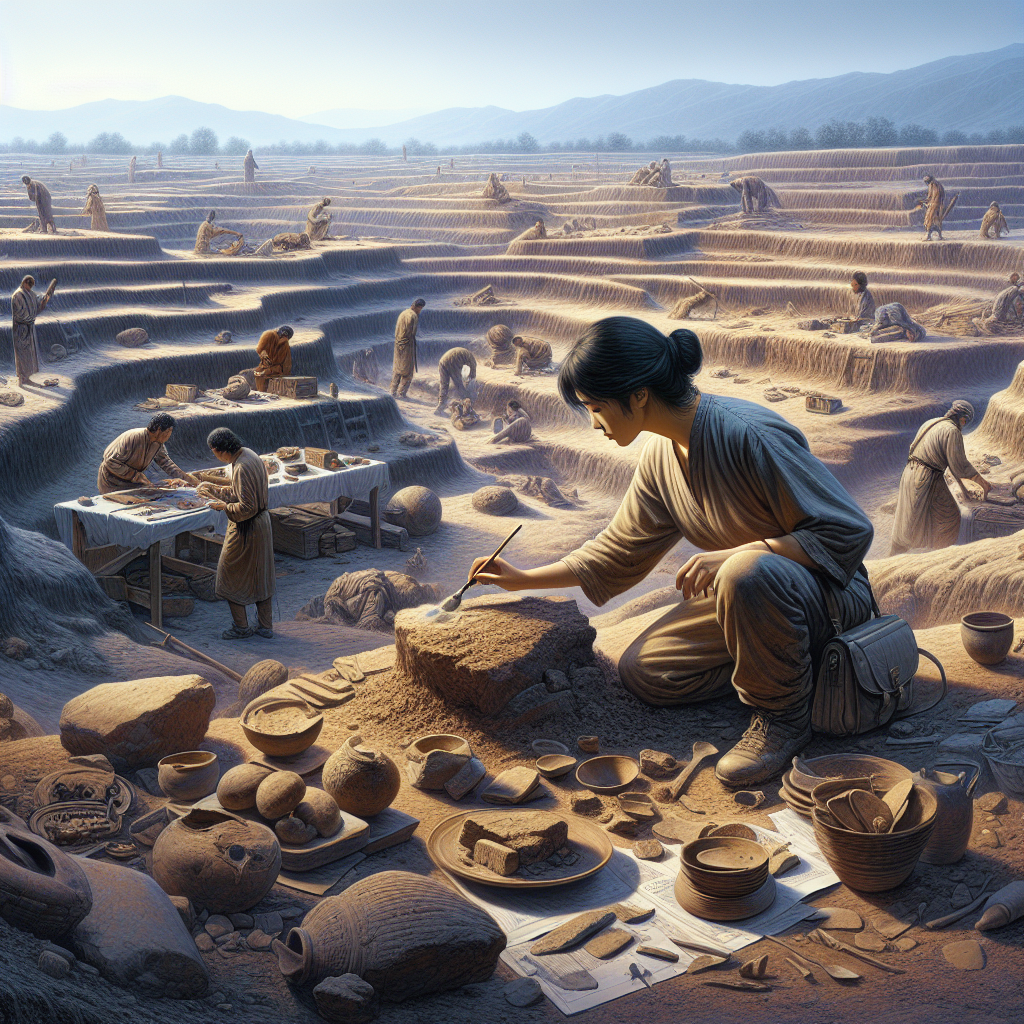
Archaeologists in the ancient Roman city of Pompeii have uncovered the remains of two individuals who perished almost 2,000 years ago during the catastrophic eruption of Mount Vesuvius.
The newly discovered skeletons of a man and woman were found in a hastily arranged bedroom within a villa undergoing restructuring at the time of the eruption. According to a statement from the Pompeii archaeological site, the woman was found lying on a bed surrounded by gold, silver, and bronze coins, as well as jewelry, including gold and pearl earrings. The man was found at the foot of the bed.
The city of Pompeii, once a bustling hub near Naples, was buried under a thick layer of volcanic ash when Mount Vesuvius erupted in AD 79. The violent event killed thousands of unsuspecting Romans and preserved the city under layers of ash, thereby freezing a moment in time.
The latest victims seem to have sought refuge in a small room, attempting to escape the deadly rain of rock fragments that blocked their exit. Eventually, they were buried alive under the lava flow and other scorching materials from the volcano.
Gabriel Zuchtriegel, the site director, said that analyzing the anthropological data from these victims will provide valuable insights into ancient Pompeian daily life. Rediscovered in the 16th century, Pompeii has recently witnessed a surge in archaeological activities aimed at stopping decades of deterioration.


 Google News