

Sustainable Food Packaging: The Rise of Alginate-Based Films for a Greener Future
Recent advancements in alginate-based films for food packaging offer a biodegradable, eco-friendly alternative to plastic, effectively extending food shelf life by providing moisture and oxygen barriers. These films, enriched with antimicrobial and antioxidant agents, hold great promise for sustainable packaging solutions.
 CoE-EDP, VisionRI
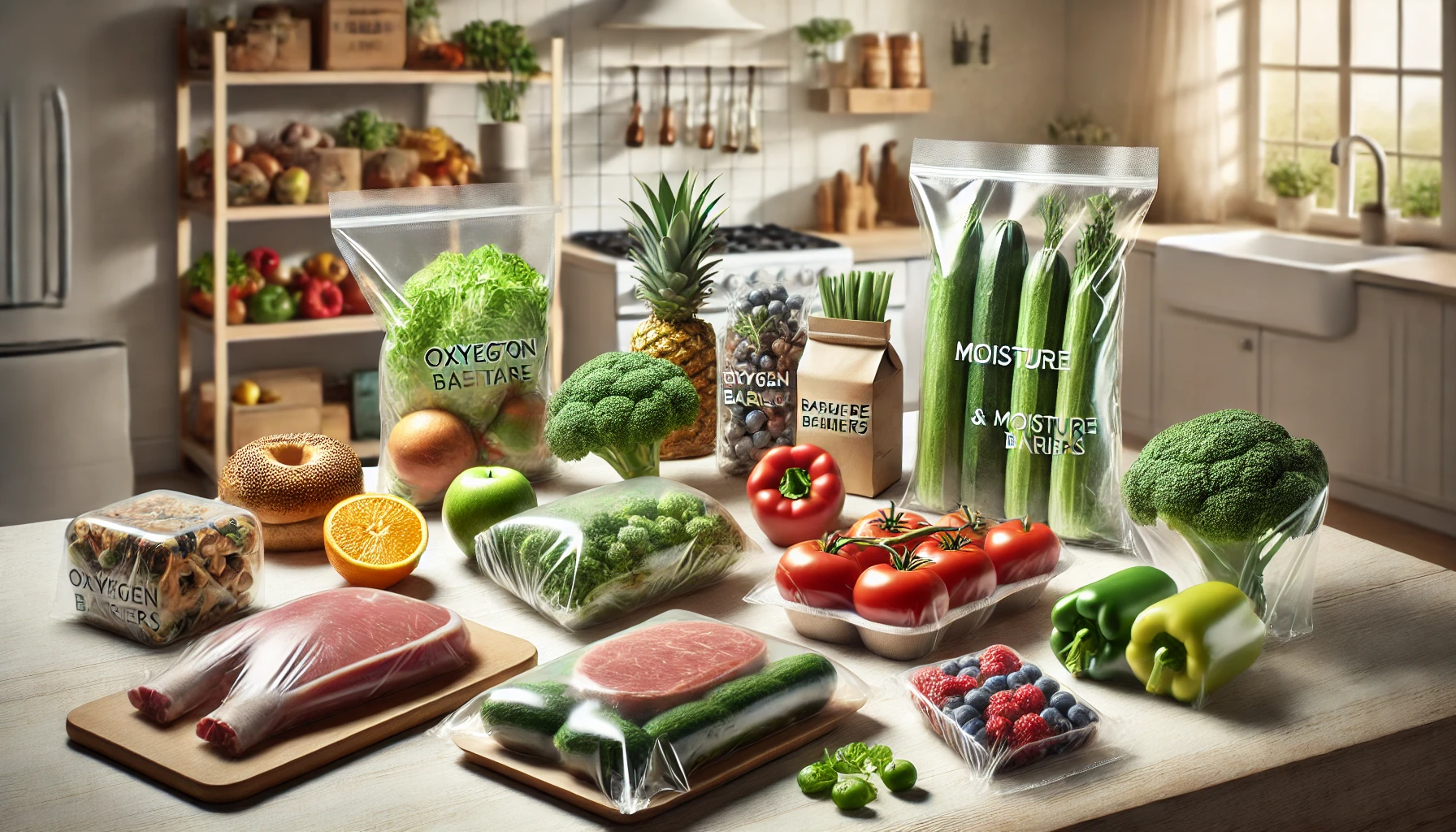
Recent advancements in alginate-based films for active food packaging applications have shown promising potential in revolutionizing food preservation and sustainability efforts. Researchers from Nanavati College of Pharmacy, Mumbai, including Chaitanya Metha, Shrutee Pawar, and Vasanti Suvarna, have been at the forefront of this development. These films are primarily derived from alginate, a natural polysaccharide extracted from brown seaweed, and offer several advantages over traditional plastic packaging materials. The key benefit of alginate films lies in their biodegradability, which significantly reduces the environmental impact compared to petroleum-based plastics. In addition, their biocompatibility and non-toxic nature make them suitable for direct food contact. The films are particularly effective in preserving food by creating a barrier against moisture, oxygen, and microbial growth, extending the shelf life of perishable goods like fruits, vegetables, meats, and bakery products. This environmentally friendly approach also helps reduce food waste, which is a major concern globally.
Extending Freshness with Natural Barriers
Alginate-based films have been shown to effectively preserve the freshness and quality of food by maintaining the moisture content and preventing the ingress of oxygen. This is critical for extending the shelf life of fresh produce, meats, and other perishable items. Furthermore, these films can be incorporated with functional additives such as antimicrobials, antioxidants, and other agents that enhance food preservation. For instance, essential oils, silver nanoparticles, and bacteriocins are often added to alginate films to create active packaging systems that inhibit microbial growth. Such films not only protect the food from spoilage but also contribute to maintaining its sensory qualities, such as flavor and aroma, throughout storage.
Smart Packaging with Built-in Intelligence
Recent innovations have also focused on creating intelligent packaging solutions with alginate-based films. Intelligent packaging interacts with the food it contains, providing real-time data on the food's freshness, quality, and even spoilage. For example, indicators can be embedded in the films to monitor the oxygen or moisture levels within the packaging, alerting consumers when the food is no longer safe to eat. These advancements are particularly useful for products like seafood, meats, and dairy, where spoilage can occur rapidly without proper monitoring. Additionally, the use of nanotechnology has been explored to enhance the barrier properties of alginate films. Nanoparticles like silver or zinc oxide can be integrated into the films to further improve their antimicrobial activity, while nanoclays help enhance their mechanical strength and resistance to moisture. This makes the packaging more durable and effective at maintaining food quality over longer periods.
Overcoming Challenges with Innovation
One of the main challenges in developing alginate-based films is improving their water resistance. While they serve as excellent oxygen barriers, their hydrophilic nature can make them less effective in high-humidity environments. Researchers are addressing this issue by experimenting with cross-linking techniques and combining alginate with other biodegradable polymers such as chitosan and starch. These blends help create composite films that are stronger, more flexible, and better able to withstand moisture. Cross-linking with calcium ions (Ca2+) is another approach used to enhance the films' mechanical properties and water resistance, making them more suitable for various food packaging applications. Additionally, the films' ability to release incorporated additives, such as antimicrobial and antioxidant agents, in a controlled manner has been a major focus of research. This controlled release mechanism ensures that the food remains protected over an extended period, with the additives gradually providing their benefits as needed. For example, antioxidants incorporated into the films can help reduce oxidation in fatty foods, which is a common cause of spoilage.
Paving the Way for Large-Scale Use
The scalability of producing alginate-based films for industrial use is another area that requires further attention. While these films have proven effective in laboratory settings, transitioning them to large-scale production presents economic and technical challenges. The cost of raw materials like alginate, as well as the additional additives required to enhance the films' properties, can make this type of packaging more expensive than conventional plastic packaging. However, blending alginate with less costly biopolymers, such as polylactic acid (PLA) or starch, may help reduce production costs while maintaining the desired functional properties. Despite these challenges, the growing demand for sustainable packaging solutions has driven continued research into cost-effective ways to produce alginate films on a larger scale.
Alginate-based films present a promising alternative to synthetic polymer-based food packaging materials, offering significant environmental and functional benefits. Their ability to enhance food preservation, combined with their biodegradable nature, positions them as a potential game-changer in the food packaging industry. Ongoing research into improving the films' water resistance, scalability, and functionality through nanotechnology and cross-linking techniques will be crucial in bringing these innovations to market. As the global push for sustainable solutions continues, alginate-based packaging stands at the forefront of a new era in reducing plastic waste and improving food security.
- FIRST PUBLISHED IN:
- Devdiscourse


 Google News