

Bans and Fireworks: Diwali's Dilemma with Pollution and Tradition
Firecrackers play a pivotal role in Diwali, celebrated by millions of Hindus to honor Lord Rama's return. Despite bans in smog-ridden cities like New Delhi, the tradition continues as part of festivities. However, the informal firecracker industry faces declining sales, safety concerns, and increasing raw material costs.
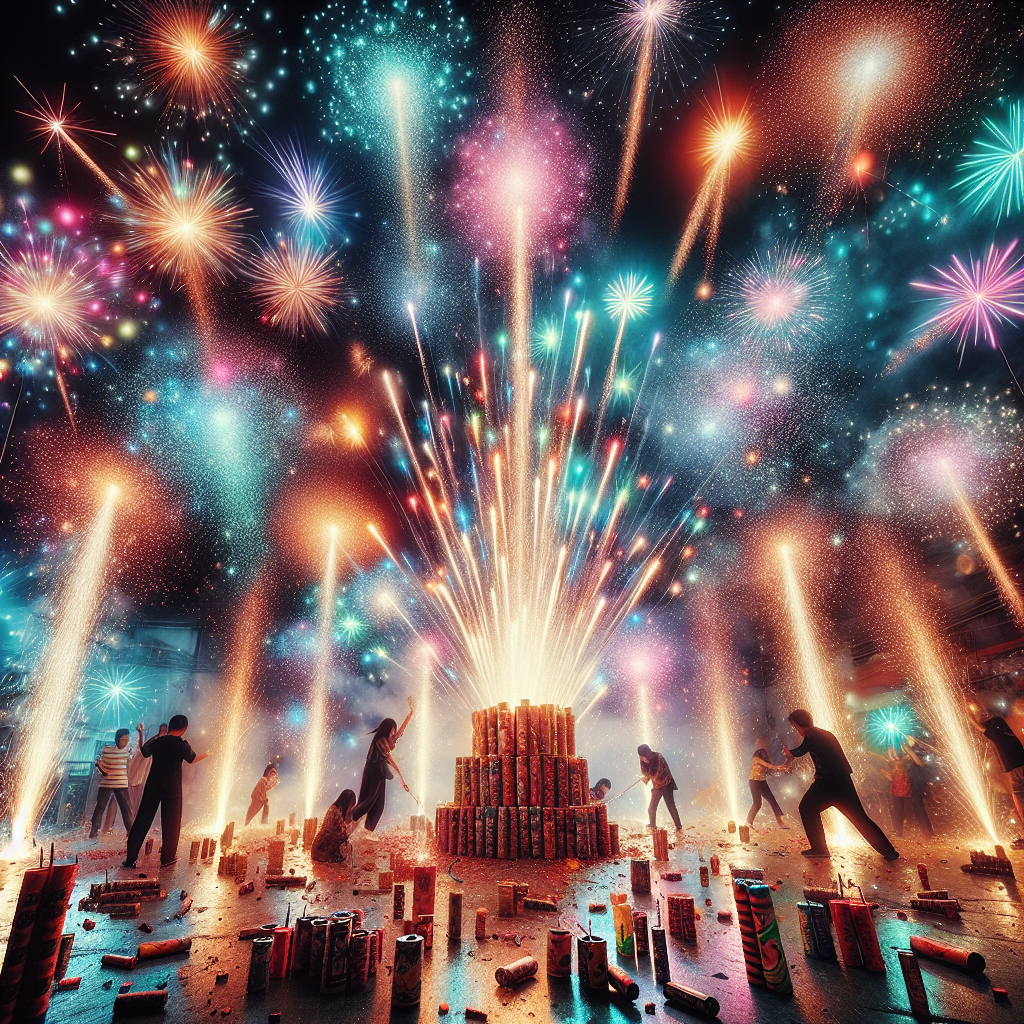
Diwali, a festival celebrated by millions of Indian Hindus, remains deeply associated with the use of firecrackers, even amidst mounting pollution concerns. Despite bans in cities such as New Delhi, the depiction of Lord Rama's victorious return continues to resonate, marking the celebration with bright fireworks.
While many regions strive to suppress firecracker usage due to pollution, the impact on the informal industry is noticeable. In Gujarat's Vanch village, thousands work in perilous conditions making firecrackers by hand, earning meager wages under risky safety standards.
Pollution is a severe concern in India, with factors like firecracker smoke compounding issues in New Delhi, the world's most polluted capital. Enforcing bans remains challenging, as cultural significance often outweighs legislative deterrents during the festive season.


 Google News