

The Ripple Effect: How Tariffs Threaten Global Trade
U.S. tariffs under President Trump, coupled with countermeasures, are projected to have a catastrophic impact on developing countries, more severe than foreign aid cuts. The International Trade Centre warns of significant global trade shrinkage, urging at-risk nations to strengthen regional trade ties.
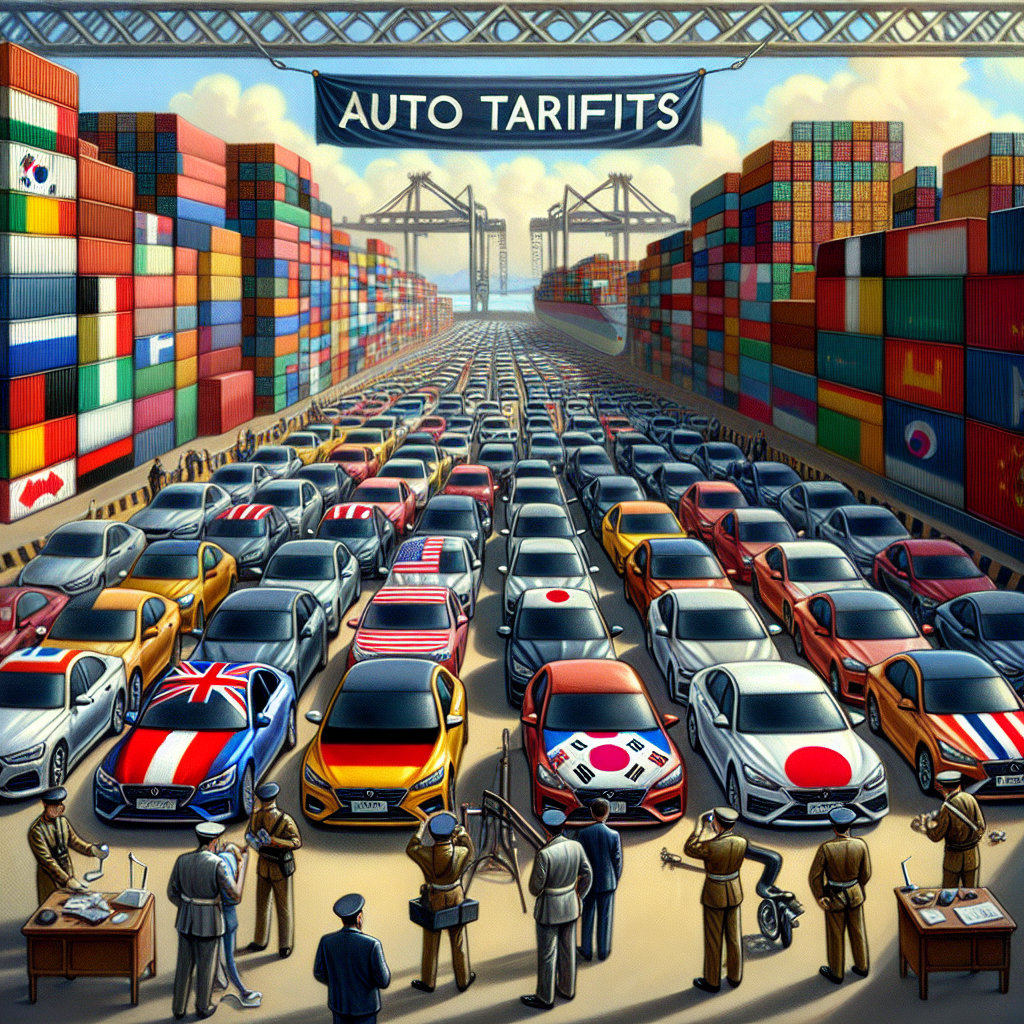
Tariffs imposed by the U.S. under President Donald Trump, paired with retaliatory measures, could prove disastrous for developing countries, surpassing even the detrimental effects of foreign aid cuts, the director of the United Nations trade agency announced on Friday.
According to the International Trade Centre, global commerce might contract by 3-7%, with a 0.7% dip in the global GDP, disproportionately affecting developing nations. If the trade tensions between the U.S. and China persist, an 80% decline in their trade relations could lead to widespread economic consequences.
In response, global markets experienced significant instability. With newly announced tariff adjustments, countries like Lesotho, Cambodia, Laos, Madagascar, and Myanmar are advised to enhance regional trade partnerships to mitigate losses. Bangladesh may pivot to European markets to offset its projected $3.3 billion annual export loss by 2029.
ALSO READ
-
WTO at Crossroads: Why Future of Global Trade Matters to Every One of Us
-
EU Firms Rethink Supply Chains as Geopolitical Risks Reshape Global Trade
-
Trade War Chessboard: Agriculture, Energy, and Rare Earths in Focus
-
Trump and Xi Set for High-Stakes Summit: Trade, Taiwan, and Technology in Focus
-
US Tariff Announcement Delay Amidst Xi-Trump Summit


 Google News