

Unearthing Ancestry: Platypus and Echidna Evolution
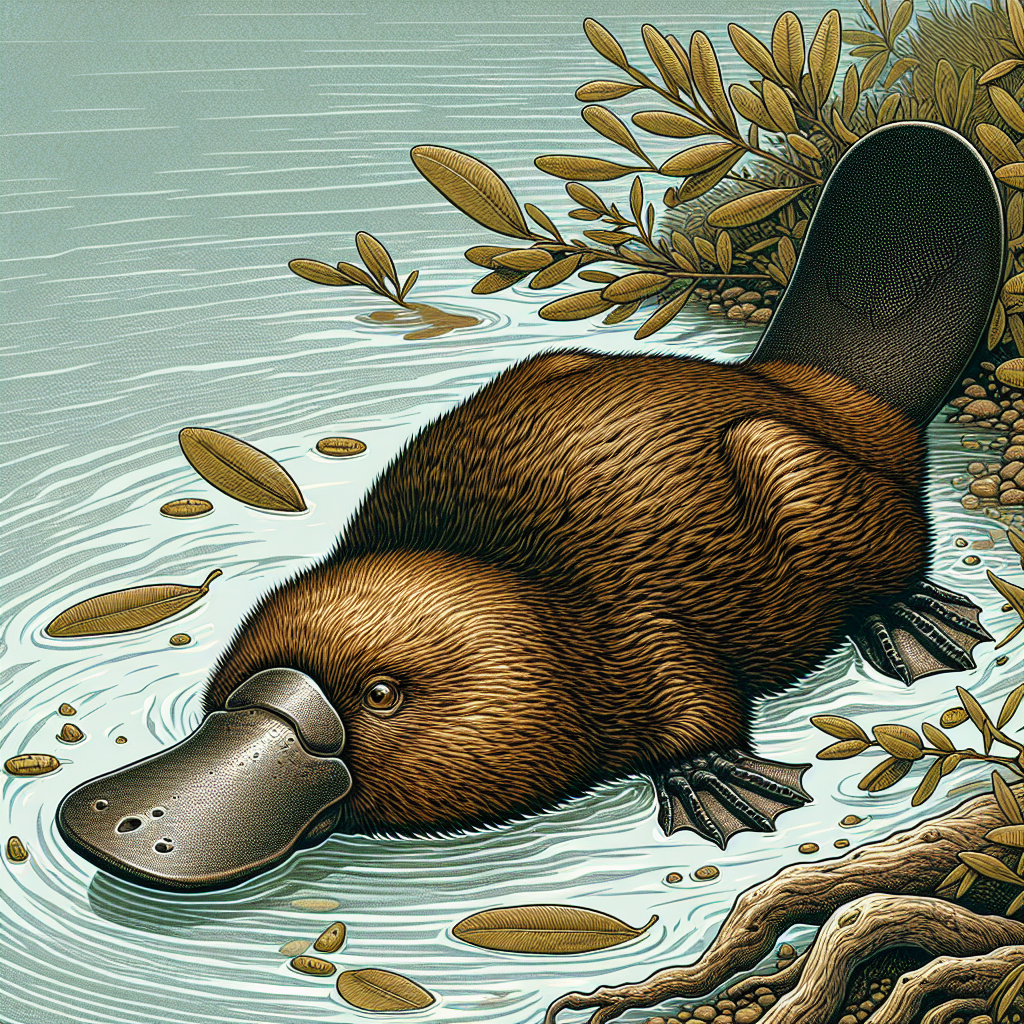
New fossil evidence reveals insights into the evolution of monotremes, specifically platypuses and echidnas. A 108-million-year-old humerus suggests a semi-aquatic lifestyle was ancestral for monotremes, with echidnas adapting back to land later. The discovery highlights the need for preserving these species amid environmental threats.
- Country:
- Australia
Scientists have unveiled groundbreaking insights into the evolution of monotremes, the extraordinary egg-laying mammals, through new fossil evidence.
A 108-million-year-old humerus bone discovered in Dinosaur Cove, Victoria, suggests a semi-aquatic origin for monotremes, with echidnas transitioning back to land over time.
The study underscores the importance of conserving these unique species in the face of environmental challenges threatening their habitats today.


 Google News