

UNDP Spurs Integrated Climate-Nature Finance Push via Sevilla Platform for Action
In response, the United Nations Development Programme (UNDP) is spearheading a new integrated approach through its Sevilla Platform for Action on “Integrated Finance for Development, Climate and Nature”.
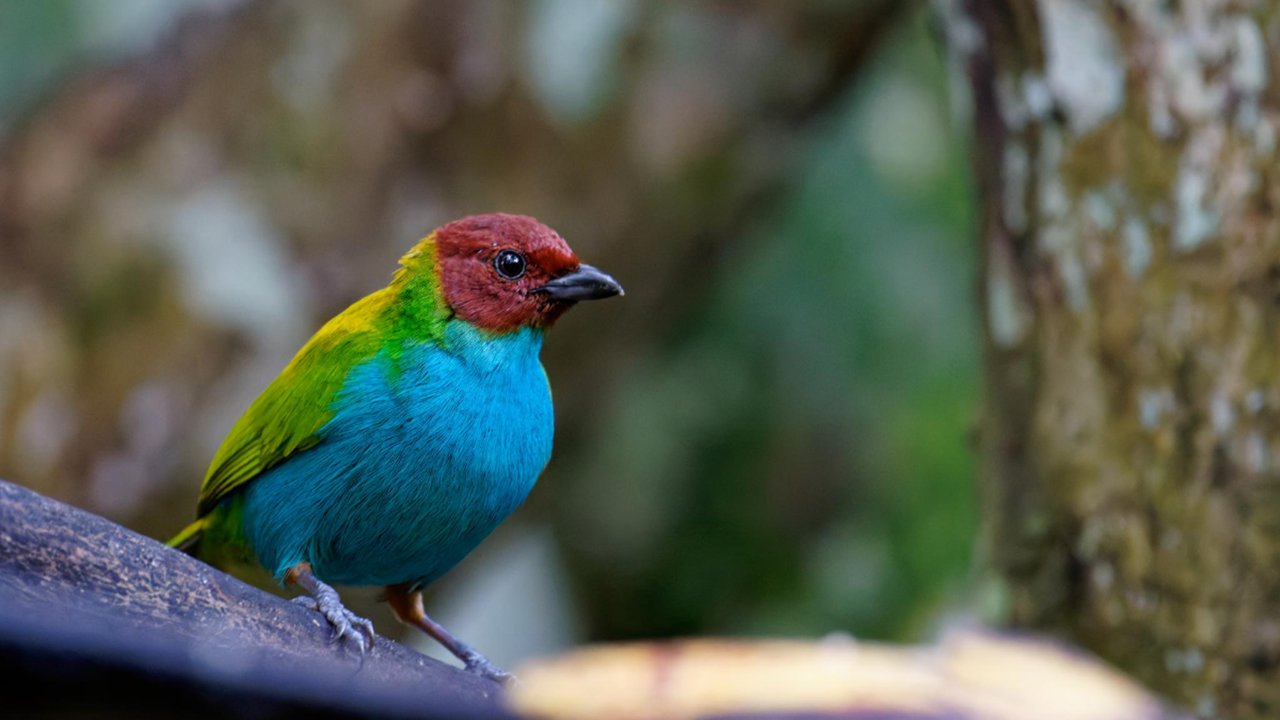
As the world confronts escalating environmental and economic challenges, an undeniable truth has emerged: climate, biodiversity, and economic stability are deeply intertwined. This interdependence is starkly reflected in the World Economic Forum's 2025 Global Risks Report, which places Extreme Weather Events, Biodiversity Loss, and Resource Shortages among the top five economic threats of the next decade. Echoing this reality, finance institutions and policymakers are increasingly recognizing the financial risks posed by environmental degradation.
In response, the United Nations Development Programme (UNDP) is spearheading a new integrated approach through its Sevilla Platform for Action on "Integrated Finance for Development, Climate and Nature". This platform brings together innovative tools, policy coherence, and strategic investments to accelerate progress toward the Sustainable Development Goals (SDGs), the Paris Agreement, and the Kunming-Montreal Global Biodiversity Framework.
A $5 Billion Nexus Portfolio: From Ambition to Action
UNDP's strategy builds on two of its flagship initiatives: The Climate Promise and The Nature Pledge. These programs span more than 150 developing countries, supporting a $5 billion portfolio of projects that deliver tangible progress on both climate mitigation and nature conservation.
This nexus approach seeks to synchronize national policy, public budgets, and investment strategies, enabling governments to simultaneously achieve targets on climate action, biodiversity conservation, and land restoration. It marks a fundamental shift from siloed environmental programs to cohesive national development agendas.
Key goals include:
-
Aligning national climate goals (NDCs) with biodiversity strategies (NBSAPs)
-
Reforming fiscal systems to prioritize green investment
-
Leveraging innovative financial instruments to unlock public-private capital flows
Why Integration Makes Economic Sense
The economic rationale for this nexus is compelling:
-
$500 billion annually is the combined nature and climate finance target needed under international agreements.
-
55% of global GDP (US$58 trillion) is moderately or highly dependent on nature.
-
According to a new UNDP-OECD report, accelerating climate action through enhanced NDCs could sustain 60% global GDP growth by 2040.
When aligned with SDG-driven national policies, bold climate and biodiversity action can lift 175 million people out of extreme poverty by 2050. Investments in biodiversity are among the most cost-effective tools for advancing inclusive, sustainable economic development.
From Policy to Practice: National Efforts on Integrated Financing
UNDP supports more than 85 countries with Integrated National Financing Frameworks (INFFs), helping them align financial strategies with climate and biodiversity goals.
Examples include:
-
Egypt: The country's INFF aligns Vision 2030 and its updated NDCs through climate-budget tagging, green public investment priorities, and a climate fiscal risk register due by 2025.
-
Maldives: A pioneer in gender-responsive climate finance, the Maldives is phasing out fossil fuel subsidies and enhancing sustainability disclosure for private investors.
-
Thailand (Koh Tao): A modest visitor fee has generated over $300,000 to fund coral reef restoration and waste management.
-
Botswana: Revised protected area fees raised $7 million annually, directly reinvested in local livelihoods and resilience.
-
Ecuador: Through green microfinance, $804 million has been mobilized for small and medium-sized enterprises, especially women and youth, engaged in renewable energy and eco-friendly innovation.
Elevating Global Advocacy: The Sevilla Platform for Action
The Sevilla Platform for Action is UNDP's strategic response to scale up such integrated approaches. Launched during the Fourth International Conference on Financing for Development (FFD4), it seeks to:
-
Strengthen global advocacy for climate-nature-development finance integration.
-
Provide knowledge-sharing tools and best practices.
-
Elevate public and private investment readiness for SDG-aligned action.
By consolidating global evidence, building partnerships, and promoting tools like green taxonomies, finance maps, and matchmaking platforms, the platform is projected to help channel over $1 billion in blended public-private investments by 2027.
This includes:
-
Supporting blended finance models to de-risk investment in sustainable sectors
-
Advancing nature-based solutions as practical, scalable strategies for adaptation and resilience
-
Aligning national systems with global frameworks for coordinated, effective results
Toward a Resilient, Equitable Planet
In conclusion, the UNDP's integrated finance initiative underscores a critical evolution in development thinking: climate, biodiversity, and economic policy cannot be treated in isolation. As the planet faces a triple planetary crisis, financing solutions must be interconnected, inclusive, and informed by science and economics.
By leveraging the Sevilla Platform for Action, countries have a powerful new tool to align domestic priorities with global sustainability goals. In doing so, the world can not only meet its environmental targets, but also drive poverty reduction, unlock prosperity, and safeguard future generations.


 Google News