

The Hidden Bone Structures Redefining Goanna Evolution
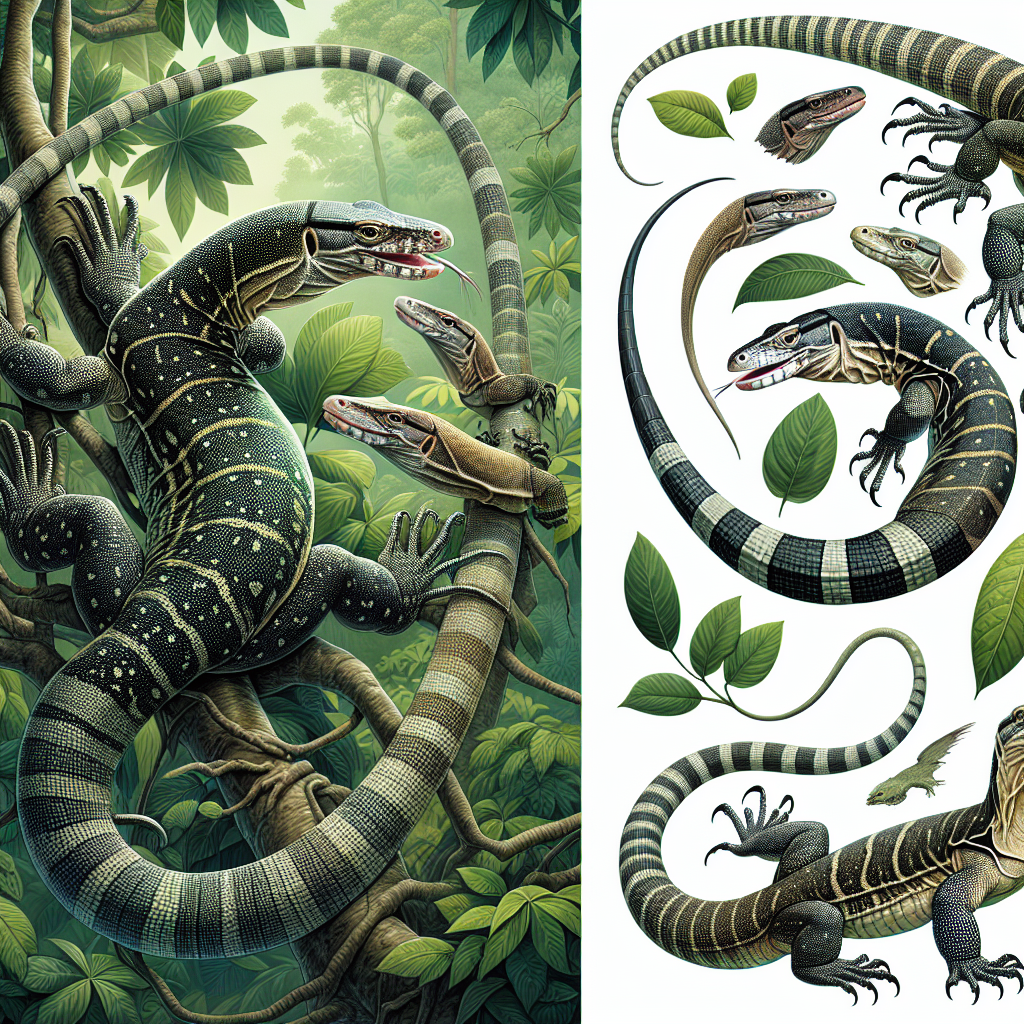
Monitor lizards, or goannas, have been discovered to possess osteoderms—bone structures previously overlooked—reshaping our understanding of their evolution. A new study utilizing advanced imaging techniques found these bony plates in many lizard species, potentially providing insights into their adaptation to harsh environments and evolutionary success in Australia.
- Country:
- Australia
Monitor lizards, commonly known as goannas in Australia, are rewriting the history of reptilian evolution. A groundbreaking study published in the Zoological Journal of the Linnean Society has unveiled hidden bone structures called osteoderms, altering the previously held assumptions about these creatures.
Using cutting-edge micro-computed tomography, researchers have identified these bony plates in nearly half of all lizard species, with surprising findings in Australian goannas. These structures, once thought rare among lizards, were detected in 29 Australo-Papuan species, uncovering more of the goanna's past.
These discoveries suggest osteoderms might have evolved in response to environmental challenges. This new understanding opens avenues for studying the evolutionary forces that shaped Australia's unique reptiles, offering insights into their survival and adaptation in diverse habitats.


 Google News