

Govt Commits $12M to Strengthen Yellow-Legged Hornet Eradication in Auckland
Minister Hoggard stressed that protecting honeybees is essential to safeguarding the health of New Zealand’s environment and primary industries.
- Country:
- New Zealand
The Government has announced a major expansion of its response to the yellow-legged hornet incursion in Auckland, committing $12 million in additional funding to eliminate the destructive invasive species before it can establish a foothold in New Zealand.
Biosecurity Minister Andrew Hoggard said the funding—allocated through to 30 June 2026—is designed to give officials the strongest possible chance of eradication following multiple detections on Auckland's North Shore earlier this year.
"This funding gives us the best possible chance to eradicate yellow-legged hornet," Hoggard said. "The hornet is a predator that poses a serious threat to honeybees and, by extension, to New Zealand's agricultural sector and overall economy."
A Critical Threat to Bees and the Primary Sector
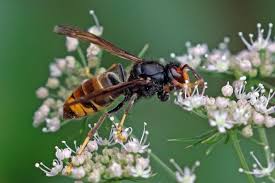
The yellow-legged hornet, native to Asia and one of the world's most aggressive insect predators, preys heavily on honeybees. If established in New Zealand, it could devastate local bee populations—disrupting pollination, reducing honey production, and threatening billions of dollars in agricultural output.
Minister Hoggard stressed that protecting honeybees is essential to safeguarding the health of New Zealand's environment and primary industries.
Funding Breakdown and Industry Collaboration
Of the $12 million allocated:
-
Biosecurity New Zealand will contribute $2 million from its existing budget.
-
$10 million will come from reprioritised Government funds.
The Minister said that if response costs exceed the current budget, the Government is prepared to consider further financial support.
Biosecurity New Zealand continues to work closely with industry partners under the Government Industry Agreement (GIA), which includes cost sharing and joint decision-making. Engagement with beekeeper groups has also increased to boost early detection and monitoring.
Escalated Response and Rapid Field Operations
Since the response began on 3 November, Biosecurity New Zealand has significantly escalated eradication efforts. Key actions to date include:
-
Detected and destroyed 37 queen hornets and 28 nests, preventing colony establishment.
-
Deployed more than 730 traps, with numbers increasing as the surveillance zone expands to 11km.
-
Activated enhanced surveillance across more than 575 registered apiaries within the zone.
-
Searched thousands of properties within 200 metres of confirmed finds.
-
Established an independent technical advisory group to guide scientific and operational decisions.
-
Purchased electronic tracking gear, allowing responders to attach transmitters to worker hornets to locate hidden nests.
-
Launched a nationwide public awareness campaign, including social media, radio, community markets, libraries, and schools.
These combined actions represent one of New Zealand's most intensive biosecurity operations in recent years.
Public Vigilance Remains Critical
Minister Hoggard urged New Zealanders—especially Auckland residents—to remain alert.
"I can't overstate the importance of public vigilance. If you suspect you've seen a yellow-legged hornet, please report it immediately to Biosecurity New Zealand," he said.
Reports from the public have already played a key role in locating and destroying nests, and continued vigilance will be crucial in ensuring the species is eradicated swiftly.
A National Effort to Protect New Zealand's Future
The Government says its rapid escalation of funding and operations reflects the seriousness of the threat. Preventing the hornet from establishing will safeguard honeybees, protect the primary sector, maintain pollination-dependent ecosystems, and uphold New Zealand's reputation as a world leader in biosecurity.


 Google News