

Microplastics: Unseen Threat to Oceans' Carbon Absorption
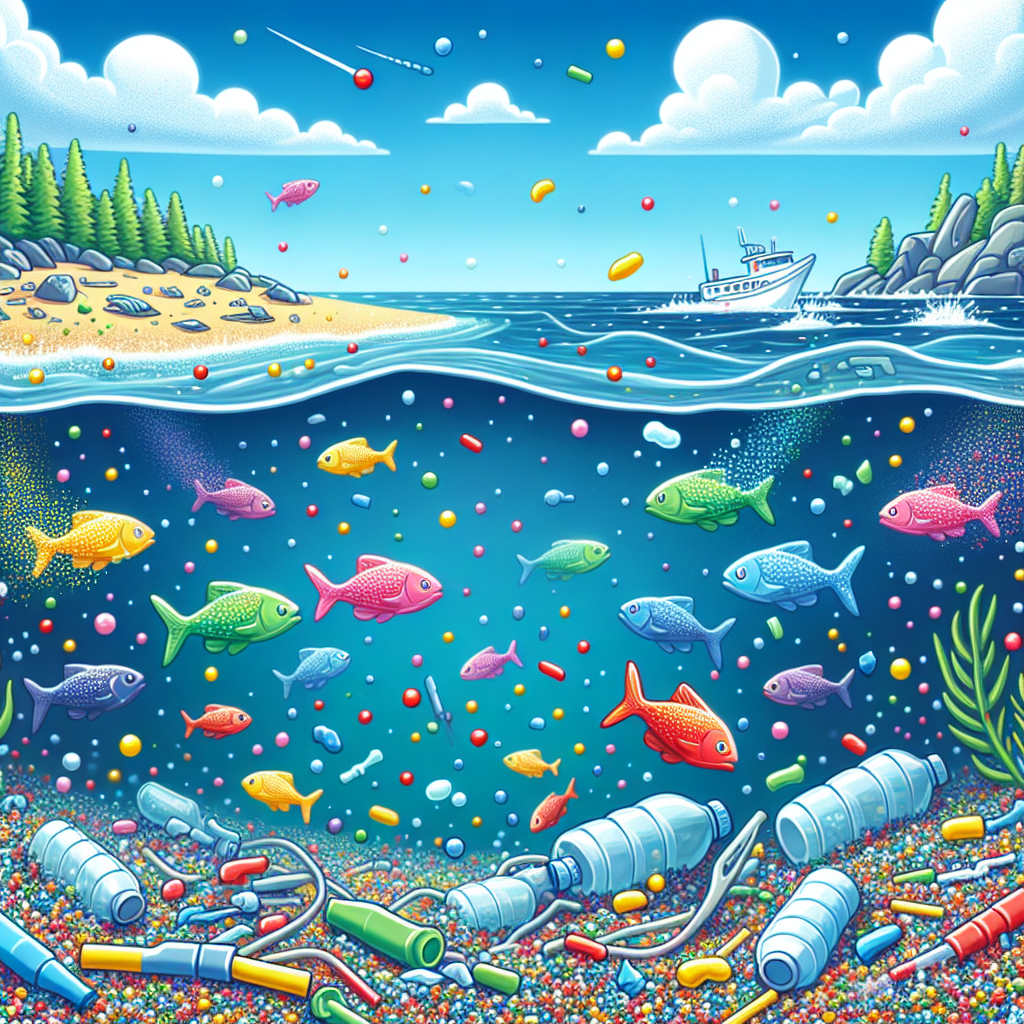
Microplastics are damaging oceans' ability to absorb CO2, disrupting the natural process of 'biological carbon pumping.' This interference contributes to climate change and ocean health issues, including ocean warming and acidification. Coordinated efforts are needed to address plastic pollution's impact on the environment effectively.
- Country:
- India
Microplastics are having a profound impact on the ocean's ability to absorb carbon dioxide, a crucial process for regulating Earth's temperature, highlights recent research. This interference jeopardizes the oceans' role as the planet's largest carbon sink and amplifies global warming challenges.
The research, published in the Journal of Hazardous Materials: Plastics, indicates that microplastics interfere with 'biological carbon pumping.' This natural process helps transfer carbon from the atmosphere to the ocean's deeper layers. Researchers from the University of Sharjah found that microplastics reduce phytoplankton photosynthesis and harm zooplankton metabolism, crucial components of this carbon-absorbing system.
Ihsanullah Obaidullah, an associate professor of integrated water processing technologies, emphasized the need to tackle plastic pollution as part of the broader fight against global warming. The study reviewed 89 peer-reviewed articles, examining microplastics' effects on ocean health and their interrelation with climate change. Urgent requests for an integrated approach to governance frameworks to address microplastic pollution and climate change were made, alongside recommendations to reduce single-use plastics.


 Google News