

NZ Declared Free of Queensland Fruit Fly After Rapid Auckland Response
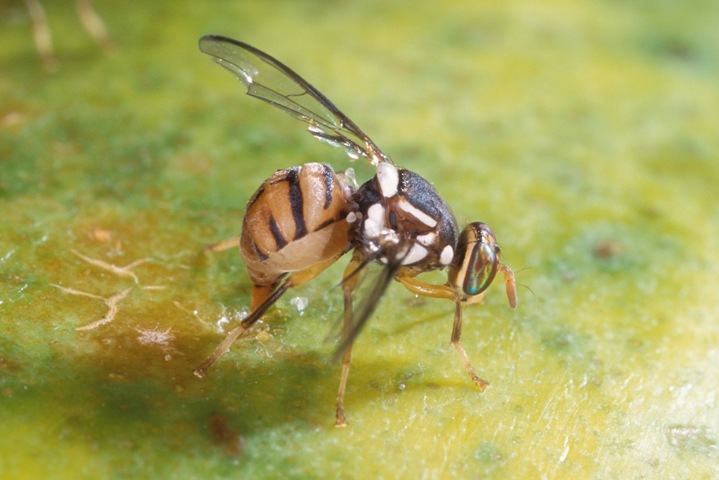
Queensland fruit fly is considered one of the world’s most damaging horticultural pests, capable of infesting a wide range of fruit and vegetable crops.
- Country:
- New Zealand
New Zealand has once again been declared free of Queensland fruit fly, following a swift and successful biosecurity response in the Auckland suburb of Mt Roskill, Biosecurity Minister Andrew Hoggard announced today.
Biosecurity New Zealand has now lifted controls on the movement of fruit and vegetables in the area, after no further evidence of the pest was found since the detection of a single male Queensland fruit fly in a surveillance trap in early January.
"This is great news for all New Zealanders, and particularly for our horticulture industry, which would have been significantly impacted by the establishment of a Queensland fruit fly population here," Mr Hoggard said.
Major Threat Avoided for $9.2 Billion Export Industry
Queensland fruit fly is considered one of the world's most damaging horticultural pests, capable of infesting a wide range of fruit and vegetable crops. If established in New Zealand, it would have triggered severe export restrictions, increased costs for growers, and long-term impacts on domestic production.
"Allowing fruit fly to become established would have hammered New Zealand's horticulture industry just as it is hitting record export returns," Mr Hoggard said.
The sector is projected to export $9.2 billion worth of produce annually by 2026, reflecting the growing importance of horticulture to New Zealand's economy.
Kiwifruit alone delivered $4.1 billion in export returns in the year to July 2025, underlining what was at stake if the pest had gained a foothold.
"I'm pleased that our growers can continue to thrive without having to worry about fighting this pest," Mr Hoggard said.
Controls Lifted After Six-Week Surveillance Effort
The fruit fly response began after the discovery of a single male fly in Mt Roskill. Intensive trapping, inspections and movement restrictions were immediately put in place to prevent any chance of the pest spreading.
After six weeks of heightened surveillance with no additional detections, Biosecurity New Zealand confirmed eradication and removed the controlled area restrictions.
"The Biosecurity New Zealand team put in a great effort, and I commend them for their hard work over the past six weeks," Mr Hoggard said.
Proven Track Record: 15 Incursions Stamped Out Since 1996
New Zealand's biosecurity system has successfully eliminated 15 fruit fly incursions since 1996, demonstrating the strength of its layered defences.
"This success shows our multi-layered biosecurity system working," Mr Hoggard said.
That system includes:
-
Treatment of fruit before arrival in New Zealand
-
Rigorous border checks at airports and import facilities
-
Nationwide surveillance trapping to detect pests early
-
Rapid localised response measures when incursions occur
Surveillance traps are designed to catch any flies that may arrive with passengers or imported goods before they can establish breeding populations.
Community Cooperation Key to Success
Mr Hoggard acknowledged that the eradication effort would not have been possible without the cooperation of Mt Roskill residents, businesses, and sector partners.
"The way residents and local businesses have engaged with this response has been a terrific display of community spirit," he said.
"Their efforts to follow the restrictions has protected our horticultural sector and our home gardens."
Safeguarding New Zealand's Growing Horticultural Future
The successful eradication ensures New Zealand's growers can continue to expand into high-value international markets without disruption, while maintaining the country's reputation for world-leading biosecurity standards.
The outcome reinforces the importance of early detection, rapid action, and strong partnerships between government, industry and communities in protecting New Zealand's economy and environment.


 Google News