

Tunisia Achieves Breakthrough in Prostate Cancer Imaging
Prostate cancer remains one of the most common cancers affecting men worldwide and is the second leading cause of cancer-related deaths among men in Tunisia.
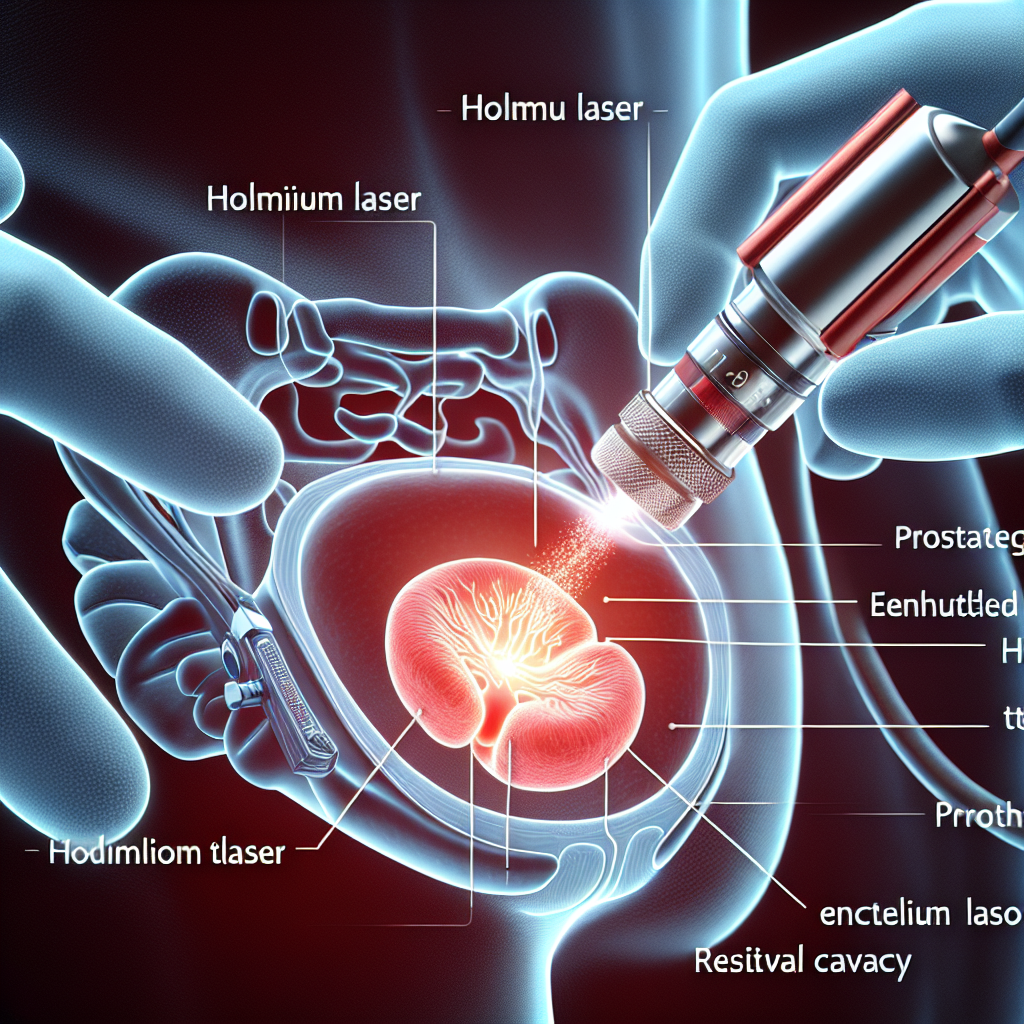
Tunisia has reached an important milestone in cancer care with the successful local production of 18F-PSMA, a specialised radiopharmaceutical used to detect and assess prostate cancer with high precision. The achievement marks a major advancement for the country's nuclear medicine sector and is expected to improve access to advanced diagnostic services for hundreds of patients each year. Earlier in 2026, Tunisia's medicine regulatory authority formally approved the drug, clearing the way for clinical use, which began in March.
Prostate cancer remains one of the most common cancers affecting men worldwide and is the second leading cause of cancer-related deaths among men in Tunisia. Early and accurate diagnosis plays a crucial role in improving treatment outcomes and survival rates.
Advanced Technology Improves Diagnosis and Treatment
The radiopharmaceutical 18F-PSMA works by attaching to a protein known as prostate-specific membrane antigen, which is found in high concentrations on the surface of most prostate cancer cells. When used alongside PET/CT imaging technology, the drug helps doctors identify the location and extent of cancer throughout the body. This detailed information allows medical teams to make more informed treatment decisions and determine whether patients may benefit from targeted radionuclide therapies or other specialised treatments.
Until now, Tunisia relied on imported supplies of the radiopharmaceutical, creating challenges related to availability, transport and scheduling. Local production is expected to improve reliability and ensure patients have more consistent access to vital diagnostic services.
International Cooperation Helped Build National Expertise
The achievement was made possible through collaboration between Tunisia's Radioactive Isotope Company (SISORA) and the National Centre for Nuclear Sciences and Technology (CNSTN), supported by an International Atomic Energy Agency (IAEA) technical cooperation project. Over four years, the IAEA provided technical guidance, training and support to strengthen the entire production process, from manufacturing protocols to quality assurance systems. More than 20 specialists, including physicists, radiochemists, radiopharmacists and nuclear medicine physicians, received training through the initiative.
The project also helped establish a national radiopharmacy network that brings together researchers, healthcare providers, universities and regulatory agencies to coordinate radiopharmaceutical production and clinical use.
Building a Sustainable Future for Nuclear Medicine
Tunisia has also invested in developing the next generation of specialists. In December 2025, the country launched its first Certificate of Complementary Education in Radiopharmaceutical Sciences with support from the IAEA and the French National Institute for Nuclear Science and Technology. The programme covers subjects ranging from radiation protection and quality control to industrial radiopharmacy and scientific innovation. Its first intake included healthcare professionals from Tunisia and several other African countries, helping strengthen expertise across the region.
Experts say the successful production of 18F-PSMA lays the groundwork for future development of additional radiopharmaceuticals, reducing dependence on imports while expanding access to cutting-edge cancer diagnostics and treatment technologies.
ALSO READ
-
IAEA Joins Forces With Six Industry Partners to Close Global Cancer Care Divide
-
Tunisia Signs $240M AfDB Deal to Upgrade Water Networks and Clean Up Industry
-
Machine Learning Reveals Why Women’s Agency Measures Must Reflect Local Realities in Tunisia
-
Tunisia’s Water Crisis Puts Jobs and Growth at Risk as Economic Recovery Loses Speed


 Google News