

Half of the world’s children face multiple climate threats, UNICEF warns
The Children’s Climate Risk Report 2026 estimates that around 1.1 billion children are exposed to multiple climate-related dangers at the same time.
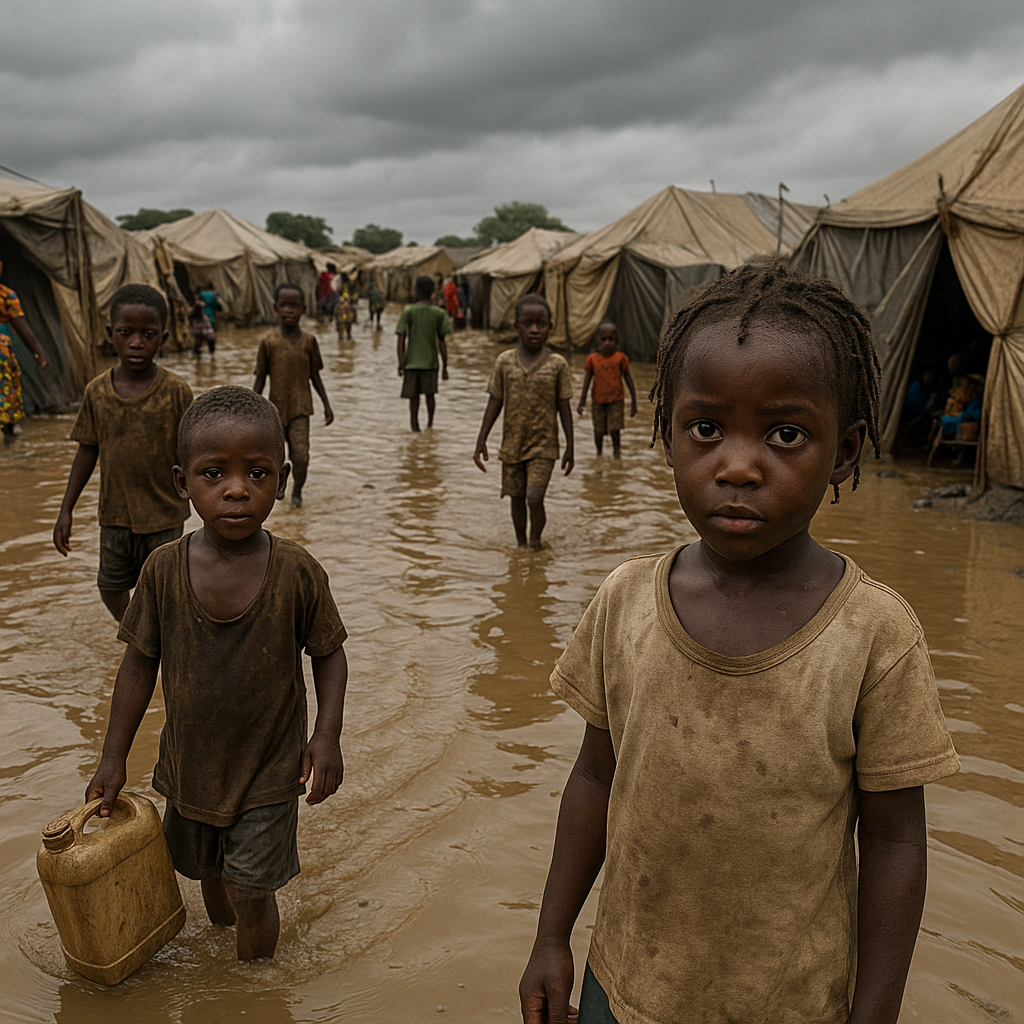
Rising temperatures, worsening floods, prolonged droughts, and stronger storms are placing an unprecedented burden on children across the globe, with a new UNICEF report revealing that nearly half of all children now live with at least three overlapping climate hazards that threaten their health, education, and future wellbeing.
The Children's Climate Risk Report 2026 estimates that around 1.1 billion children are exposed to multiple climate-related dangers at the same time. Almost every child worldwide faces at least one climate hazard, while more than four million children are living in areas affected by as many as six overlapping threats. The report provides one of the most detailed assessments yet of how climate-related risks are affecting children and the essential services they depend on, including healthcare, education, clean water, and sanitation systems.
Heat, drought, and storms create growing risks for children
Among the most common combinations of climate threats are drought, extreme heat, and heatwaves, which affect more than 296 million children globally. Another 115 million children are exposed to the combined impact of drought, extreme heat, and tropical storms.
The most severe conditions are found in Africa's Sahel region, where more than four million children face recurring heatwaves, extreme temperatures, and sand and dust storms. Across parts of Asia, including Bangladesh, Myanmar, and Pakistan, children experience multiple climate hazards simultaneously and often at greater intensity than almost anywhere else in the world.
The findings show that climate risks are not limited to developing nations. In Italy, for example, more than six million children are exposed to prolonged drought conditions and repeated heatwaves. The report notes that investments in climate adaptation have helped reduce some risks, though growing environmental pressures continue to challenge communities.
Climate impacts stretch beyond extreme weather
UNICEF's analysis also examines climate-sensitive risks such as air pollution and malaria. Air pollution affects nearly every child worldwide, while around one billion children live in areas where malaria remains a threat. These pressures often combine with existing climate hazards, creating a complex web of challenges that can affect children's physical health, learning opportunities, nutrition, and long-term development.
The report highlights that vulnerability is not determined by climate exposure alone. Access to healthcare, education, clean water, social protection, and emergency services often decides how well communities can cope with environmental shocks. Countries facing fragile conditions and limited public services, including Chad and the Central African Republic, are among the most vulnerable. Small Island Developing States such as Haiti and Vanuatu also face heightened risks, with tropical storms capable of disrupting entire communities and overwhelming critical infrastructure.
UNICEF calls for stronger climate action and child-focused planning
UNICEF is urging governments and businesses to take faster action to reduce greenhouse gas emissions while strengthening climate adaptation measures that protect children and essential public services. The organization is also calling for greater investment in climate-resilient schools, healthcare facilities, water systems, food security programmes, and early warning networks designed with children's needs in mind.
Another key recommendation focuses on giving children and young people a stronger voice in climate decision-making through education, skills development, and participation in policies that shape their future. UNICEF says protecting children from climate risks requires more than emergency responses, arguing that resilient services and infrastructure will play a crucial role in safeguarding future generations as environmental pressures continue to intensify.
ALSO READ
-
Better Heat Planning Can Protect Crowds and Ease Pressure on Hospitals, WHO Says
-
Lebanon’s Children Face Hunger, Lost Schooling and Work as Families Reach the Brink
-
Hotter Years, More Cavities? Understanding Link Between Climate and Dental Health
-
UNICEF Praises Jordan’s Progress for Children as Funding Cuts Threaten Vital Services
-
Somalia Faces Deepening Hunger as Flood Threat Puts Lives and Farms at Risk


 Google News