

Research Reactors Power Advances in Medicine, Science and Industry
Scientists use neutrons produced by research reactors to examine the composition and internal structure of materials that can be difficult to investigate using conventional techniques.
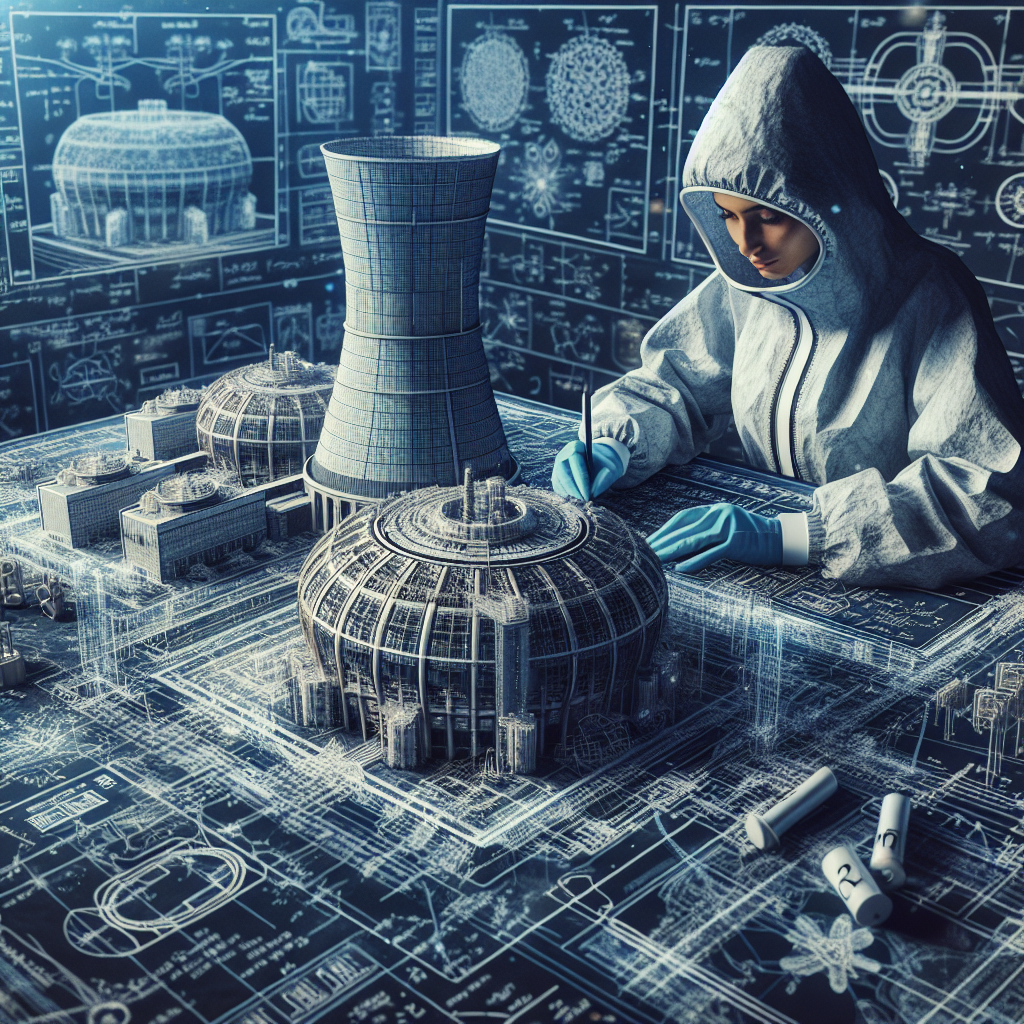
Research reactors are supporting everything from cancer diagnosis and advanced materials research to nuclear training and industrial innovation, with 228 facilities currently operating across 54 countries and another 23 either under construction or being planned.
Unlike nuclear power reactors built primarily to generate electricity, research reactors produce neutrons that scientists and specialists can use across medicine, agriculture, industry, geological science and forensic work. Their relatively broad range of applications has made these facilities an important part of national research programmes, while the International Atomic Energy Agency works with countries to strengthen their safe operation and make greater use of their scientific capabilities.
Medical Isotopes Support Millions of Patients
Healthcare is one of the most visible areas where research reactors affect everyday lives, particularly through the production of radioisotopes used for medical imaging, diagnosis and cancer treatment.
Technetium-99m is used in about 85% of nuclear medicine diagnostic procedures worldwide, supporting as many as 50 million procedures each year involving cancer and diseases affecting the heart, brain and bones. Other reactor-produced radioisotopes have important medical uses, including iodine-131 for treating thyroid disorders and certain cancers.
Reliable isotope production makes research reactors part of a much wider healthcare supply chain, connecting specialised nuclear facilities with hospitals and patients who may never directly see the technology behind their diagnosis or treatment.
Neutrons Reveal What Other Technologies Cannot See
Scientists use neutrons produced by research reactors to examine the composition and internal structure of materials that can be difficult to investigate using conventional techniques. Applications range from studying turbine blades and batteries to analysing hydrogen storage devices, electronic components, cultural artefacts and the remains of extinct animals.
Neutron imaging combined with computed tomography can create detailed three-dimensional views inside objects without requiring them to be taken apart, giving researchers another way to understand how materials and components are constructed and how they behave.
Reactors can also expose materials to neutron radiation so researchers can examine how they respond over time, providing knowledge needed to develop improved nuclear fuels and longer-lasting components for future energy technologies, including advanced fission reactors, fusion systems and potential space applications.
Countries Build Nuclear Skills Through Research Reactors
Research reactors provide students, engineers and nuclear professionals with hands-on experience in reactor operations, radiation protection, safety procedures and nuclear physics, giving countries a way to develop skilled workforces before pursuing larger nuclear programmes.
The IAEA has supported reactor programmes and training in countries including Jordan, Morocco and Ghana, while technical cooperation projects have helped African nations strengthen safety reviews and modernise ageing facilities. Kenya, Rwanda and Uganda have also received technical expertise as they explore research reactor projects.
The Agency supports facilities throughout their entire life cycle, covering planning, construction, operation, fuel management and eventual decommissioning, while providing safety standards, training and expert review missions.
As many existing reactors continue operating after decades of service, modernisation is allowing facilities to improve safety and reliability while expanding their scientific capabilities, keeping research reactors relevant to healthcare, industry and emerging technologies.


 Google News