

Zoom's end-to-end encryption (E2EE) feature now available globally
Simply put, in a regular meeting, the encryption keys are generated and managed by Zoom's servers but in an E2EE-enabled meeting, nobody except each participant, not even Zoom's servers, has access to the encryption keys. In meetings with E2EE enabled, a new green shield logo with a lock will appear in the upper left corner of their meeting screen.

- Country:
- United States
Zoom has started rolling out the end-to-end encryption (E2EE) feature to provide enhanced privacy and data protection for meetings. Announced back in May 2020, the feature is available as a technical preview for all free and paid users globally and the company is soliciting feedback from users for the first 30 days.
"We announced in May our plans to build an end-to-end-encrypted meeting option into our platform, on top of Zoom's already strong encryption and advanced security features. We're pleased to roll out Phase 1 of 4 of our E2EE offering, which provides robust protections to help prevent the interception of decryption keys that could be used to monitor meeting content," Zoom said in a blog post.
Normally, Zoom's cloud generates encryption keys and distributes them to meeting participants as they join via the app. However, with Zoom's E2EE, the meeting's host generates encryption keys and uses public-key cryptography to distribute these keys to the other meeting participants.
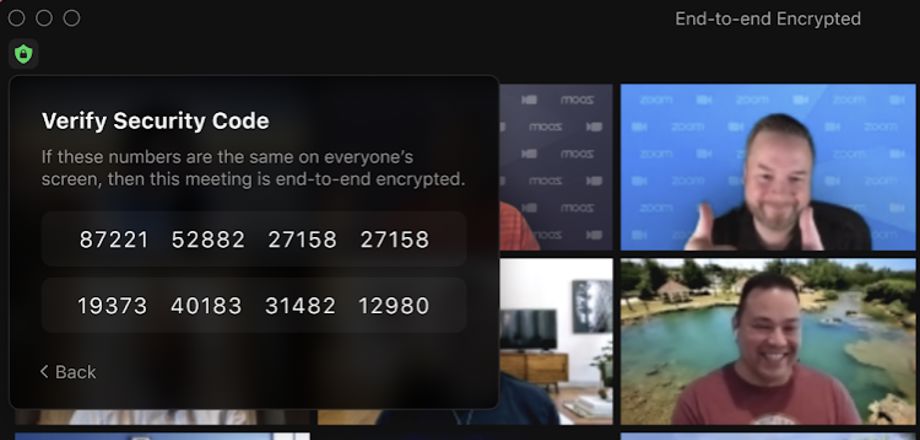
Simply put, in a regular meeting, the encryption keys are generated and managed by Zoom's servers but in an E2EE-enabled meeting, nobody except each participant, not even Zoom's servers, has access to the encryption keys. In meetings with E2EE enabled, a new green shield logo with a lock will appear in the upper left corner of their meeting screen.
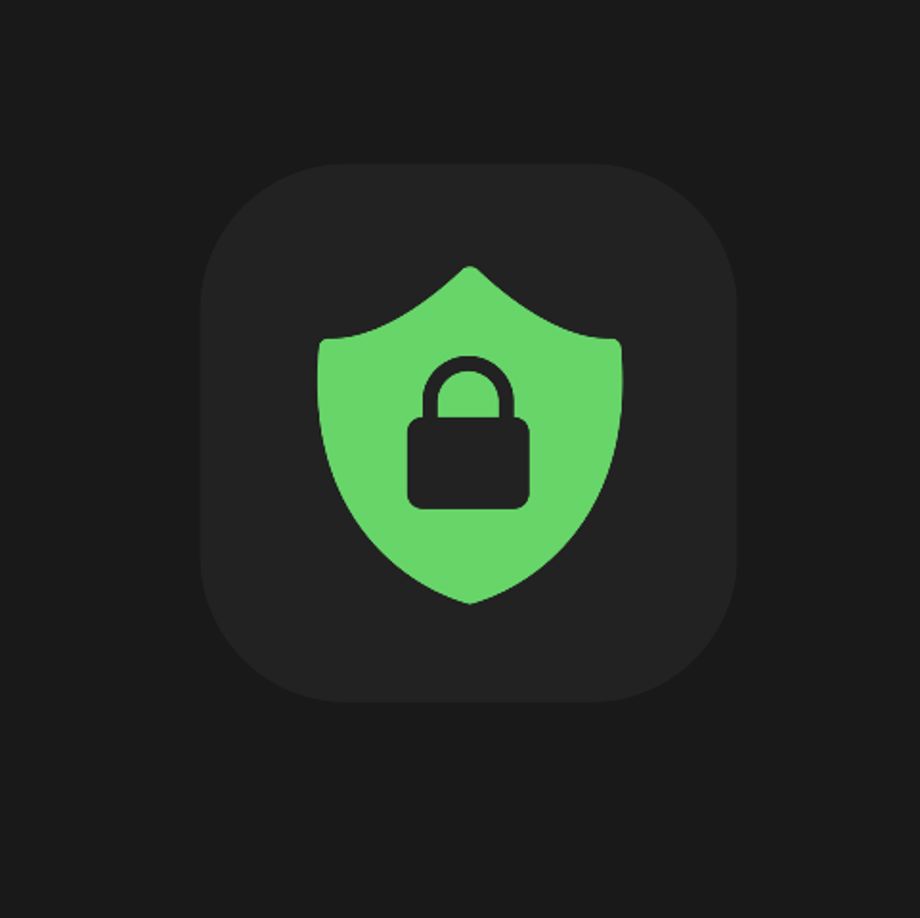
Image Credit: Zoom
During the current Phase 1 rollout, all meeting participants are required to join from the Zoom desktop client, mobile app, or Zoom Rooms. Hosts can enable the setting for E2EE at the account, group, and user level, however, enabling the feature disables certain features, including join before host, cloud recording, streaming, live transcription, Breakout Rooms, polling, 1:1 private chat, and meeting reactions.
Zoom said that it plans to roll out better identity management and E2EE SSO integration as part of Phase 2, tentatively road mapped for 2021.


 Google News