

Know the types of batteries that cell phones have?
These characteristics will allow the user to know how the batteries have evolved and what type of battery they have.
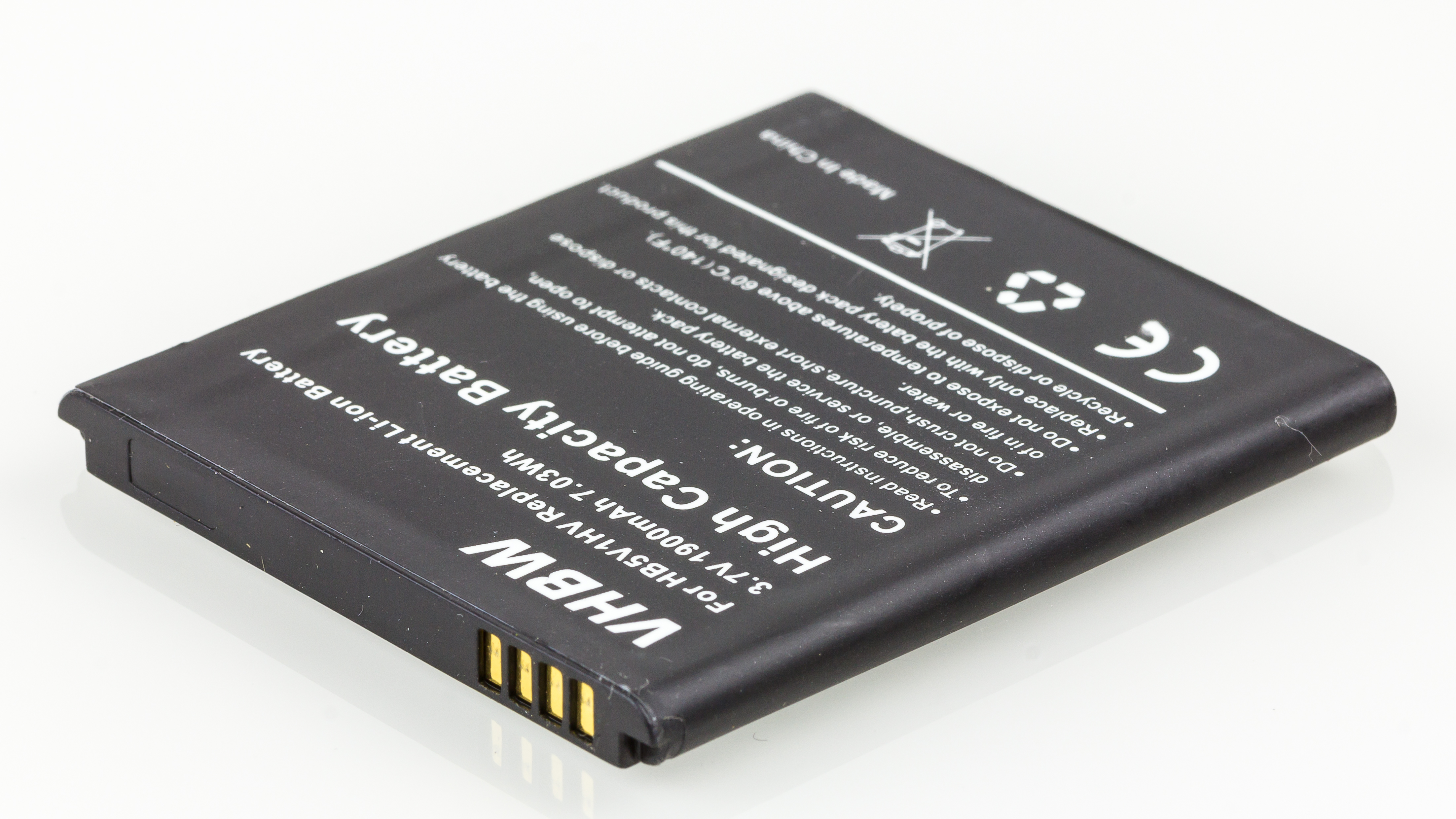
The cell phone battery is something that people take too much care of because they believe it is the heart of the devices, so if something bad happens to them, fatal consequences can occur that involve the phone becoming unusable or dying.
This is a belief that has become so common in spite of being false because first, the battery is not the heart of the phone, it is a fundamental part of it, but not to the extent of being considered in this way.
Similarly, it is important to take care of the battery of smartphones, but not to the degree of obsessing with it, because really knowing a couple of characteristics of it, is that you can be quietly using it.
These characteristics will allow the user to know how the batteries have evolved and what type of battery they have, therefore the types of batteries that are or were in the cell phones will be listed.
Nickel-Cadmium Batteries (NiCad): This type of batteries are considered the first used when they began to develop mobile devices, so it is understandable that their useful life was so short since they did not have enough knowledge to create one that would last longer.
For this reason, its life was limited to 1,500 load cycles, which in addition to making it ineffective, made it dangerous, since it had contaminating elements (Cadmium) that damaged the environment. This was also one of the main reasons why it was taken out of the market, both domestic and industrial.
In the same way, the NiCad had the "memory effect", a common problem that involves the chemicals with which the batteries are made and which causes that once the battery is charged (100 percent), it is discharged within a few minutes of use.
This effect happens because the chemical elements, which generate the current, begin to crystallize inside the battery, causing deterioration of the load capacity and of course, the life of the batteries.
However, they were taken as a basis to create new and improved batteries that were much more durable, useful, less polluting and not prone to "memory effect".
Nickel-Metal Hydride Batteries (NiMH): In order to improve the batteries and after observing the negative effects that Cadmium batteries caused in the environment, this element was replaced by Metal Hydride, so that it was less toxic and more useful, because when replaced, it had a better performance that prolonged the duration time increasing 30 percent compared with the NiCad.
But the improvements were few because the load cycles really were still insufficient for the constant activities carried out by people on their cell phones, therefore, it was decided to change them and include another component, which had the same care towards the environment, only that with more cycles.
Lithium-ion batteries: This type of battery is the most used nowadays, not only in phones but also in laptops, cameras and portable consoles, because Lithium turns out to be a much lighter and more durable peace than Metal Hydride.
Thanks to the high load storage, the user can connect his cell phone when he can, because he's charging process is divided into two:
- Fast loading phase: Up to 80 percent
- Slow loading phase: As time passes,
The remaining 20 percent becomes slower because you already have a high percentage of battery. In this way, people who have Li-Ion can leave the concerns aside and concentrate on other issues that require their full attention.


 Google News