



Lunar Evolution: Unraveling the Mysteries of What's Next for the Moon
Explore the captivating journey of lunar evolution from ancient fascination to cutting-edge exploration in this blog. Discover the historical significance of the Apollo era, the promise of water on the moon, the ambitious Artemis program, and the exciting commercial space race. Unravel the debate around lunar colonization and the potential of helium-3 as a future energy source. Join the quest to protect the moon while embracing humanity's lunar journey ahead.
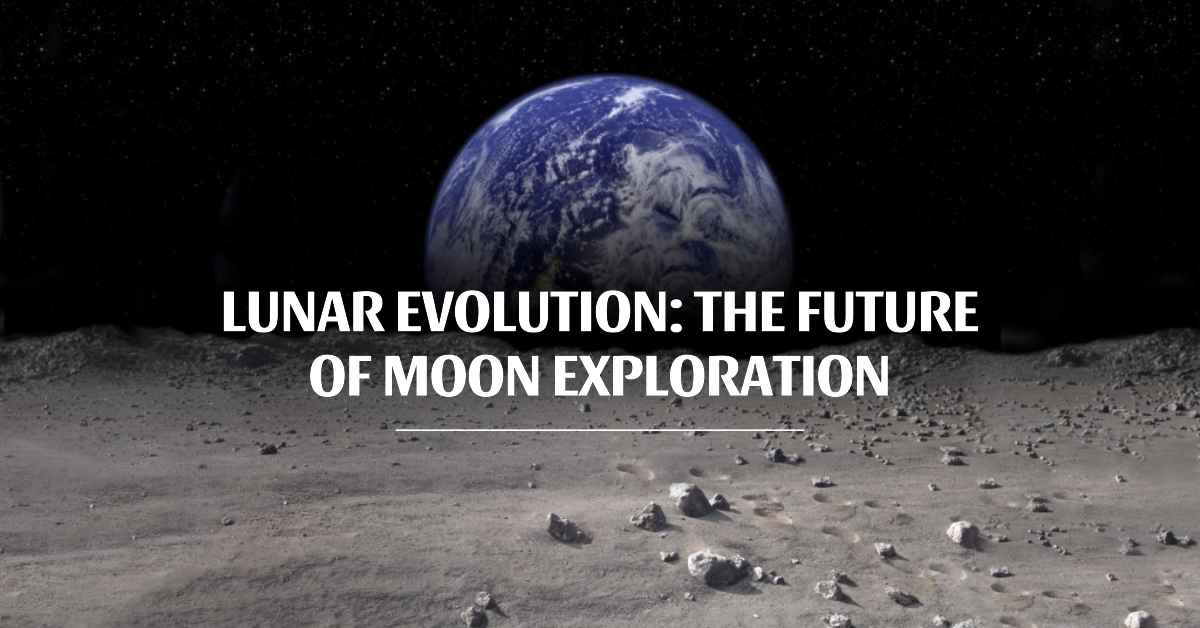
The moon, Earth's only natural satellite, has captured our collective imagination for centuries. Its silvery glow and enigmatic beauty have inspired myths, poetry, and scientific inquiry. As we look to the future, the moon's potential for exploration, research, and even colonization is becoming increasingly apparent. This article will delve into the concept of lunar evolution, exploring how our understanding of the moon has evolved over time and what exciting prospects lie ahead.
The Historical Fascination with the Moon
Since ancient times, humanity has gazed up at the night sky, fascinated by the moon's changing phases and its influence on tides. In various cultures, the moon held significant spiritual and symbolic meanings, ranging from a deity to a harbinger of change. Early astronomers observed the moon with awe and recorded its cycles meticulously, laying the foundation for modern lunar study.
The Apollo Era: A Giant Leap for Humanity
One of the most significant milestones in lunar exploration was the Apollo program, initiated by NASA in the 1960s. In 1969, Neil Armstrong took humanity's first historic steps on the lunar surface, and Buzz Aldrin followed suit moments later. This momentous achievement marked a giant leap for humanity, and it opened the door to a new era of lunar exploration.
Advancements in Lunar Research
Following the Apollo missions, lunar exploration didn't end; instead, it evolved. Unmanned missions sent by various space agencies continued to study the moon's surface, geological composition, and magnetic field. The data collected during these missions has provided scientists with crucial insights into the moon's history and its potential for future exploration.
Water on the Moon: A Game-Changer
One of the most exciting discoveries in recent lunar research is the presence of water molecules on the moon's surface. Previously thought to be a bone-dry celestial body, the discovery of water molecules in permanently shadowed craters has revolutionized our perception of the moon's potential. Water is a critical resource for future lunar missions, as it can be converted into drinking water, oxygen, and even used to produce rocket fuel.
The Artemis Program: Paving the Way for the Future
As we set our sights on the next phase of lunar exploration, NASA's Artemis program takes center stage. Named after the ancient Greek goddess and twin sister of Apollo, the Artemis program aims to land the first woman and the next man on the moon by leveraging advanced technologies and international partnerships. Beyond just planting flags, Artemis envisions establishing a sustainable lunar presence with the Lunar Gateway, a space station orbiting the moon, and exploring the moon's South Pole for resources.
Commercial Space Race and the Moon
NASA isn't the only player with lunar aspirations. Several private companies are actively investing in lunar exploration and resource utilization. With new advancements in space technology and growing commercial interest, the moon has become a hotspot for innovative projects. Companies like SpaceX, Blue Origin, and others are developing lunar landers and robotic missions to pave the way for future human settlements.
The Lunar Colony Dream: Fact or Fiction?
While lunar exploration and colonization are gaining traction, the idea of establishing a permanent lunar colony remains a topic of heated debate. Some experts argue that it is feasible and could serve as a stepping stone for further interplanetary exploration. Others believe that the challenges of living on the moon, such as radiation exposure, extreme temperatures, and resource scarcity, are too significant to overcome.
The Promise of Helium-3
Beyond serving as a potential stepping stone for space exploration, the moon may also hold the key to future energy solutions on Earth. Lunar soil contains a rare isotope of helium known as helium-3, which could be a potent fuel source for nuclear fusion. If mastered, helium-3 could provide an almost limitless and clean energy supply for our planet.
Ethical Considerations and Protecting the Moon
As we set our sights on the moon's future, it is crucial to consider the ethical aspects of lunar exploration. Preserving the moon's pristine environment and avoiding irreversible damage is of utmost importance. International agreements and guidelines for responsible space exploration must be developed to ensure the moon remains a valuable scientific resource and a source of inspiration for future generations.
Conclusion: Embracing the Lunar Journey Ahead
The moon's evolution from a distant celestial object of fascination to a potential platform for human exploration and scientific discoveries is a testament to humanity's relentless pursuit of knowledge and adventure. As we stand at the precipice of a new lunar era, it is essential to tread carefully, ensuring that our actions are guided by both ambition and responsibility. With international collaboration, advancements in technology, and a genuine passion for exploring the cosmos, we can unlock the moon's secrets and embark on a journey that will shape the future of space exploration for generations to come.


 Google News