



Can AI Predict the Future? Exploring the Possibilities and Limitations of Forecasting Models
AI can predict some things based on past data, but it's not magic. The future is still full of surprises, and we need to use AI responsibly, not just blindly believe its predictions.
 Devdiscourse News Desk
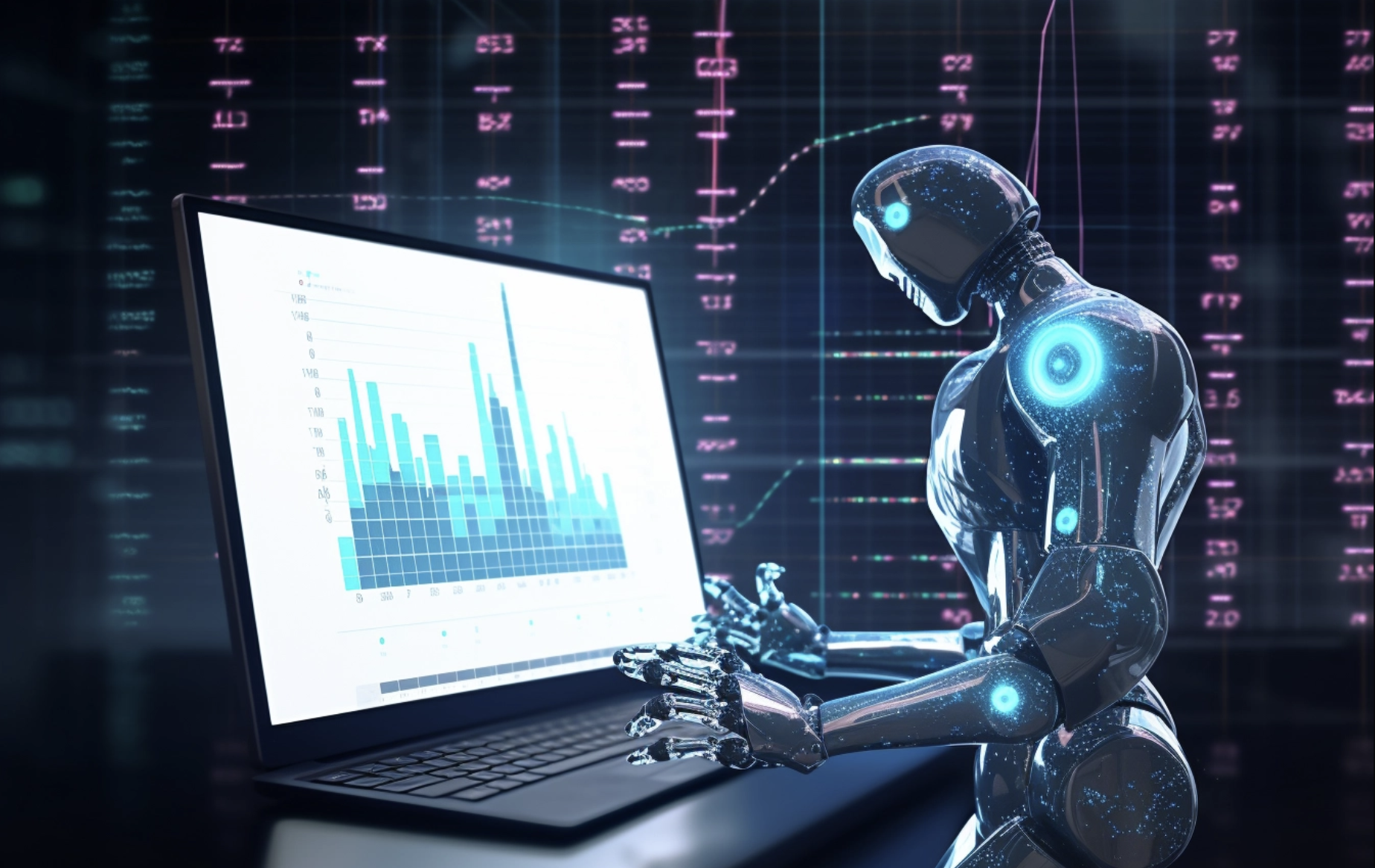
Ah, the allure of the future. It's like a shimmering mirage on the horizon, beckoning with possibilities yet shrouded in mist. For centuries, we've sought ways to pierce the veil, relying on oracles, tarot cards, and even the twitching whiskers of a particularly psychic rodent. Now, enter the age of artificial intelligence, where algorithms crunch data like fortune cookies and spit out predictions with lightning speed. So, can these digital soothsayers truly tell us what tomorrow holds? Buckle up, buckaroos, because we're about to explore the fascinating, and somewhat freaky, world of AI forecasting.
First things first, let's dispel a myth: AI isn't some mystical oracle spitting pronouncements from on high. These forecasting models are essentially complex math equations trained on mountains of data. Weather patterns, market trends, even social media chatter – everything becomes grist for the algorithmic mill. By analyzing these past patterns, the models can identify correlations and, under the right conditions, predict future trends with surprising accuracy. Imagine a weather AI trained on decades of climate data – it can churn out remarkably precise forecasts, saving lives and picnics alike.
But hold on, partner, before you start planning your lottery numbers based on a chatbot's hunch. AI forecasting, like any tool, has its limitations. For starters, the future isn't set in stone. Unforeseen events, like a rogue asteroid or a celebrity meltdown, can throw even the most sophisticated model for a loop. Think of it like predicting traffic: a single fender bender can turn your smooth sailing commute into a gridlock nightmare. Then there's the issue of data bias. If the information an AI is trained on reflects existing inequalities, its predictions can perpetuate those same biases, leading to unfair and harmful outcomes. Imagine a crime-predicting AI trained on historical arrest data – it might disproportionately flag people from marginalized communities, simply because they were over-policed in the past.
So, where does this leave us? Should we ditch the digital crystal ball and stick to reading tea leaves? Not quite. AI forecasting, when used responsibly and with awareness of its limitations, can be a powerful tool. It can help us anticipate trends, mitigate risks, and make informed decisions in everything from healthcare to finance. Imagine a disease outbreak prediction model helping medical professionals allocate resources before the virus even spreads. Or an AI-powered flood detection system giving communities precious time to evacuate. These are just glimpses of the potential, but it's crucial to remember that AI is just the algorithm, not the answer. Humans need to be in the driver's seat, setting ethical boundaries and interpreting the forecasts with a healthy dose of skepticism.
In conclusion, while AI won't replace your favorite fortune cookie any time soon, it offers a glimpse into the future that's both exciting and humbling. It's a powerful tool, but like any tool, it needs to be wielded with care and awareness. So, the next time you see an AI forecast, remember: it's not a prophecy, it's a probability. And the future, my friends, is still very much ours to write.
ALSO READ
-
UK PM Keir Starmer wins crunch Parliament vote over ethics inquiry
-
Pope Leo's Pivotal Shift: Emphasizing Justice and Equality Over Sexual Ethics
-
Eyewear Ethics: Lenskart Faces Backlash for Alleged Religious Symbol Restrictions
-
Nepal's Political Shake-Up: Minister Resignation Raises Ethics Concerns
-
Democratic Representative Resigns Amid Ethics Scandal: Implications for Congressional Majority


 Google News