

Powering the Future: Breaking the 1,000 km Barrier in Electric Vehicle Range
Innovations in battery technology are charging towards a future where electric vehicles can travel up to 1,000 km on a single charge, promising to eliminate range anxiety and accelerate EV adoption. This leap in technology highlights the potential for a sustainable transportation future.
 Devdiscourse News Desk
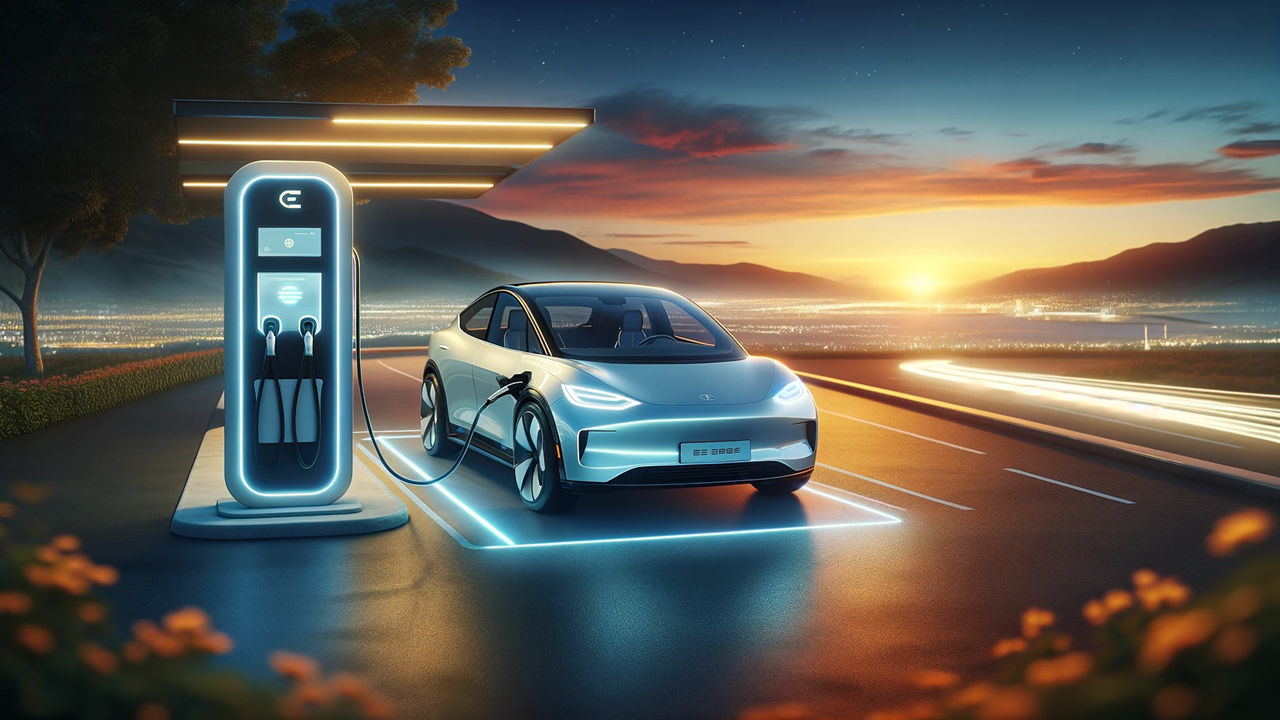
The electric vehicle (EV) revolution is charging ahead with an electrifying pace, driven by remarkable innovations in battery technology. Scientists and engineers across the globe are at the forefront of developing advanced battery solutions, aiming to dramatically extend the range of EVs. Recent breakthroughs signal a future where electric vehicles can travel up to 1,000 kilometers on a single charge, a milestone that promises to supercharge the widespread adoption of EVs. This article delves into cutting-edge research and the implications of these developments for the automotive industry, consumers, and the planet.
The Quest for Extended Range
One of the primary hurdles in the path of electric vehicle adoption has been "range anxiety" — the fear that an EV will run out of power before reaching its destination or a charging station. However, ongoing research and development efforts are poised to turn this anxiety into a relic of the past. Innovations in battery technology, including new materials and designs, are at the heart of this transformation, pushing the boundaries of energy density, efficiency, and longevity.
The Science Behind the Breakthroughs
At the core of recent advancements are novel battery chemistries and architectures. Scientists are exploring beyond traditional lithium-ion batteries, experimenting with lithium-sulfur (Li-S) and solid-state batteries. These alternatives promise higher energy density, which translates to longer ranges without significantly increasing the weight or cost of the battery.
Lithium-sulfur batteries, for instance, offer a theoretical energy density considerably higher than that of lithium-ion batteries. Despite challenges such as the degradation of sulfur cathodes, innovative approaches in cathode design and protective coatings have shown promising results, enhancing both the lifespan and performance of Li-S batteries.
Solid-state batteries represent another frontier, eliminating the liquid electrolyte found in conventional batteries for a solid counterpart. This switch not only increases safety by reducing the risk of leaks and fires but also allows for a denser packing of energy storage materials, potentially doubling the energy density compared to lithium-ion batteries.
Charging Ahead: Implications of Extended Range EVs
The possibility of electric vehicles achieving up to 1,000 km on a single charge is more than just a technical achievement; it's a paradigm shift with far-reaching implications. For consumers, it means the freedom to embark on long-distance journeys without the anxiety of frequent recharging stops. This level of convenience could accelerate EV adoption, making electric vehicles the preferred choice for a broader segment of the population.
For the automotive industry, these advancements present both opportunities and challenges. Manufacturers that stay at the forefront of battery technology can gain a competitive edge, offering vehicles that meet the demands of even the most range-conscious consumers. However, this also means a shift in the competitive landscape, where innovation in battery technology becomes a key battleground.
The environmental impact of extending EV ranges cannot be overstated. Longer-range EVs can significantly reduce greenhouse gas emissions by making electric vehicles a viable replacement for internal combustion engine vehicles, even for long-haul travel. This transition is crucial in the fight against climate change, moving us closer to achieving global sustainability goals.
Navigating the Road Ahead
While the breakthroughs in battery technology are promising, several challenges remain on the road to widespread adoption of long-range EVs. The development of a robust charging infrastructure is critical to support longer journeys, requiring investment from both public and private sectors. Additionally, the increased demand for electric vehicles and their batteries raises concerns about the supply of critical materials, emphasizing the need for sustainable mining practices and recycling programs.
Moreover, to fully leverage the potential of these technological advancements, collaboration across industries and governments is essential. Policies that encourage the adoption of electric vehicles, research funding for battery technology, and incentives for the development of charging infrastructure are key to driving the EV revolution forward.
Conclusion
The journey towards electric vehicles capable of traveling up to 1,000 km on a single charge is emblematic of the broader shift towards sustainable transportation. Innovations in battery technology are not only addressing the limitations of electric vehicles but are also paving the way for a future where clean, efficient, and convenient transportation is accessible to all. As scientists continue to push the boundaries of what's possible, the dream of a greener, electrified road ahead becomes an increasingly tangible reality.


 Google News