

Quantum Computing, Micro-Robotics, and the Future of Technology's Uncharted Frontiers
Dive into the fascinating world where the minuscule meets the mighty. This exploration reveals how groundbreaking advances in quantum computing and micro-robotics are setting the stage for a future filled with unimaginable possibilities. From dual-laser quantum designs to the tiniest robots ever created, we're on the brink of a technological revolution that could redefine our reality.
 Devdiscourse News Desk
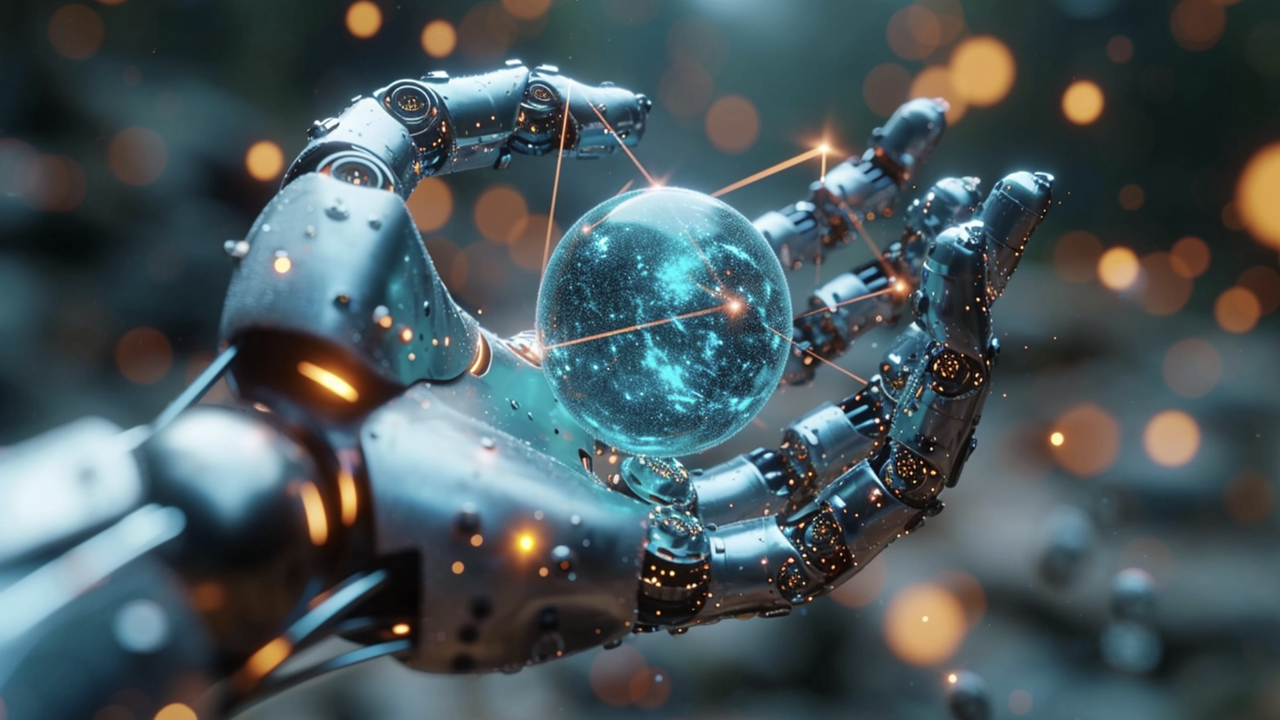
In an era where the boundary between the conceivable and the incredible continues to blur, two fields stand out for their promise to redefine the future: quantum computing and micro-robotics. These disciplines, though vastly different in application and scale, share a common thread—they are at the forefront of pushing technological boundaries far beyond our current capabilities, transforming how we interact with the digital and physical world alike.
In the realm of quantum computing, a recent development has stirred the waters—a new dual-laser design that promises to enhance the power and efficiency of quantum computers. Quantum computing, with its ability to process complex data at speeds unfathomable by today's standards, has always been touted as the next frontier in computational technology. The introduction of a dual-laser system is not just an incremental step; it represents a leap forward, potentially solving some of the most persistent challenges that have plagued quantum systems, such as error rates and coherence times. This advancement could accelerate the timeline for quantum computing to move from the experimental stage to practical applications, affecting everything from cryptography to complex material simulations.
Parallel to the strides being made in the quantum realm, the world of micro-robotics is witnessing its own set of breakthroughs. Scientists have successfully created what can be described as the world's smallest, lightest, and fastest fully functional micro-robots. These micro-robots, no larger than a grain of sand, embody a significant leap in miniaturization technology while maintaining functionality. Their applications could be revolutionary, from performing intricate surgeries within the human body to repairing delicate circuitry in hard-to-reach places. The development of these micro-robots also speaks to the incredible advances in materials science, robotics, and manufacturing techniques, enabling functionality and mobility at such a microscopic scale.
Another notable advancement in technology that complements the developments in quantum computing and micro-robotics is the creation of unbreakable, bendable optical sensors. These sensors, characterized by their durability and flexibility, could transform a multitude of industries by providing new ways to gather data in environments that were previously challenging or impossible to monitor. Imagine sensors that can wrap around the curved surfaces of infrastructure, and human limbs, or even be woven into fabrics, opening up endless possibilities for health monitoring, structural integrity assessment, and interactive technology.
Simultaneously, the field of genetics is transforming with the advent of imageomics—a discipline that merges imaging technologies with genomics to provide a more comprehensive understanding of genetic functions. Imageomics allows scientists to visualize how genes express themselves in physical traits across the entire organism. This could not only enhance our understanding of genetics but also lead to breakthroughs in personalized medicine, agriculture, and evolutionary biology. By integrating image-omics with advancements in quantum computing for data processing and micro-robots for precise interventions, the potential for targeted therapies and genetic research is expanding exponentially.
The synergy between these technologies—quantum computing, micro-robotics, flexible optical sensors, and imageomics—illustrates a future where the boundaries of what technology can achieve are continually expanding. As these tools become more sophisticated and integrated, they pave the way for innovations that could solve some of humanity's most pressing challenges, from environmental conservation and healthcare to exploring the vast unknowns of space and the deep sea.
As we stand on the brink of these technological revolutions, it's crucial to navigate the ethical, environmental, and social implications they entail. The potential for positive impact is immense, but so is the responsibility to ensure these technologies are developed and deployed in ways that benefit humanity as a whole. The future shaped by quantum computing, micro-robots, and their complementary technologies promises to be as challenging as it is exciting, requiring thoughtful consideration of how we innovate and for whom.
In conclusion, the convergence of quantum computing, micro-robotics, and related technological advances is not merely a testament to human ingenuity but a beacon guiding us toward a future rife with possibilities. As we venture into this uncharted territory, the promise of transforming the fabric of society hangs in the balance, heralding an era where the marvels of technology redefine the limits of our world.


 Google News