

5G and IoT: Revolutionizing Connectivity in the Digital Age
The integration of 5G technology with the Internet of Things (IoT) marks a pivotal moment in digital connectivity, promising to revolutionize industries by enabling high-speed data transmission, ultra-low latency, and massive device connectivity. This synergy will unlock the full potential of IoT, making our cities smarter, our homes more intelligent, and our industries more efficient.
 Devdiscourse News Desk
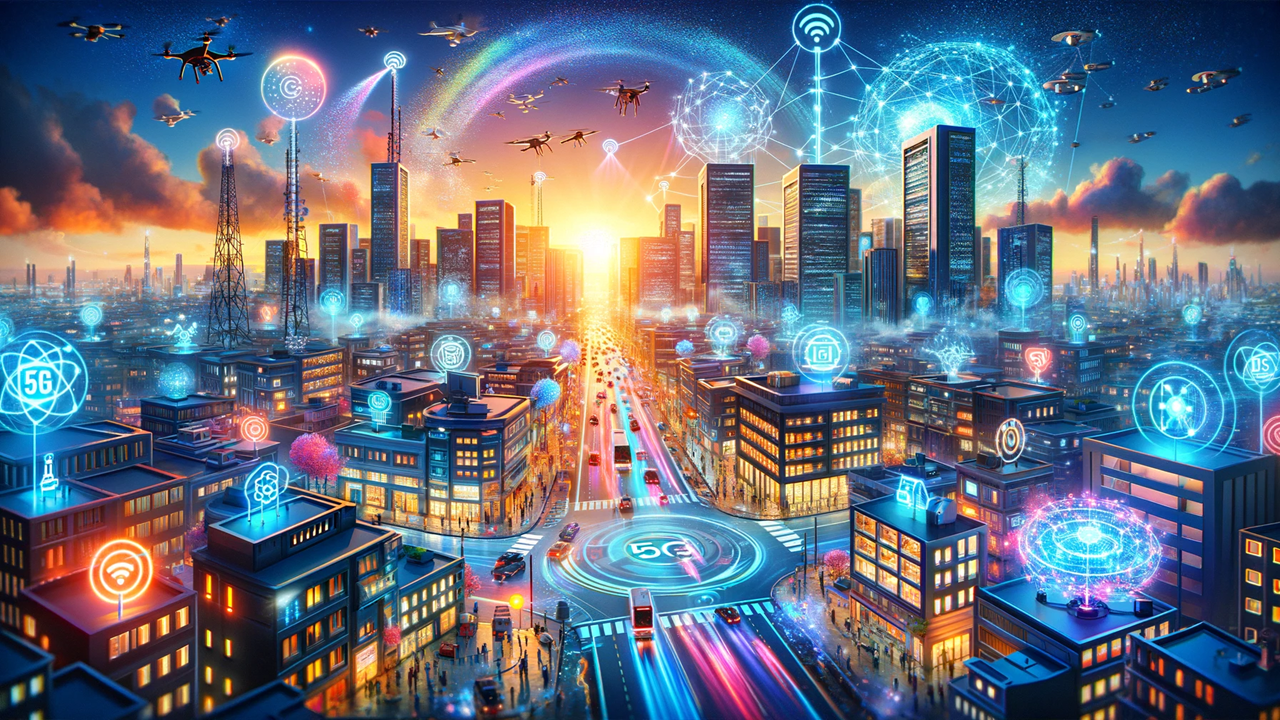
The advent of 5G technology is set to revolutionize the Internet of Things (IoT), heralding a new era of digital connectivity that promises to make our cities smarter, our homes more intelligent, and our industries more efficient. As we stand on the cusp of this technological revolution, it's crucial to understand the impact of 5G on IoT and how it will reshape the landscape of digital communication and automation across various sectors.
The Synergy Between 5G and IoT
The Internet of Things, a network of interconnected devices that communicate and interact with each other over the Internet, has been steadily transforming our world. IoT devices have become increasingly integrated into our daily lives, from smart thermostats that learn our living habits to wearables that monitor our health in real-time. However, the full potential of IoT has been somewhat restrained by the limitations of current wireless technologies—until now. The rollout of 5G technology, with its promise of ultra-high speeds, almost negligible latency, and unprecedented connectivity, is set to unleash the full power of IoT.
Unleashing High-Speed Connectivity
One of the most significant impacts of 5G technology on IoT is the dramatic increase in data transmission speeds. 5G offers speeds that are up to 100 times faster than 4G, enabling the seamless transfer of massive data volumes in real time. This high-speed connectivity is crucial for applications requiring instant data processing, such as autonomous vehicles that must make split-second decisions based on real-time data from their surroundings.
Reducing Latency to Milliseconds
Latency, or the delay before a transfer of data begins following an instruction for its transfer, is a critical factor in many IoT applications. 5G technology reduces latency to as low as 1 millisecond, compared to 50 milliseconds or more with 4G. This near-instantaneous communication can significantly enhance the performance of IoT devices, particularly in critical applications such as remote surgery, where every millisecond counts.
Enabling Massive Device Connectivity
One of the most transformative aspects of 5G technology is its ability to support many connected devices simultaneously. With the capacity to support up to a million devices per square kilometer, 5G can accommodate the exponential growth of IoT devices in densely populated areas, from smart city sensors to connected vehicles, without the risk of network congestion.
Revolutionizing Industries with IoT and 5G
The synergy between 5G and IoT holds the potential to revolutionize various industries. In manufacturing, for example, 5G-enabled IoT devices can facilitate real-time monitoring and maintenance of factory equipment, optimizing production efficiency and reducing downtime. In agriculture, IoT sensors can provide farmers with detailed information about soil moisture and crop health, enabling precision farming that can lead to increased yields and reduced resource consumption.
Challenges and Considerations
Despite its transformative potential, the integration of 5G with IoT also presents challenges. Issues such as security vulnerabilities, privacy concerns, and the digital divide need to be addressed to realize the benefits of this technology fully. Moreover, the deployment of 5G infrastructure, including cell towers and small cells, requires significant investment and collaboration between governments, industry stakeholders, and communities.
The Road Ahead
As 5G technology continues to roll out globally, its impact on the Internet of Things will become increasingly evident. By providing the backbone for a new generation of IoT applications, 5G has the potential to create smarter cities, more efficient industries, and innovative services that can enhance our quality of life. The journey towards this connected future is complex and filled with challenges, but the possibilities are as boundless as they are exciting.


 Google News