

The AI dilemma: Technological progress vs growing inequality
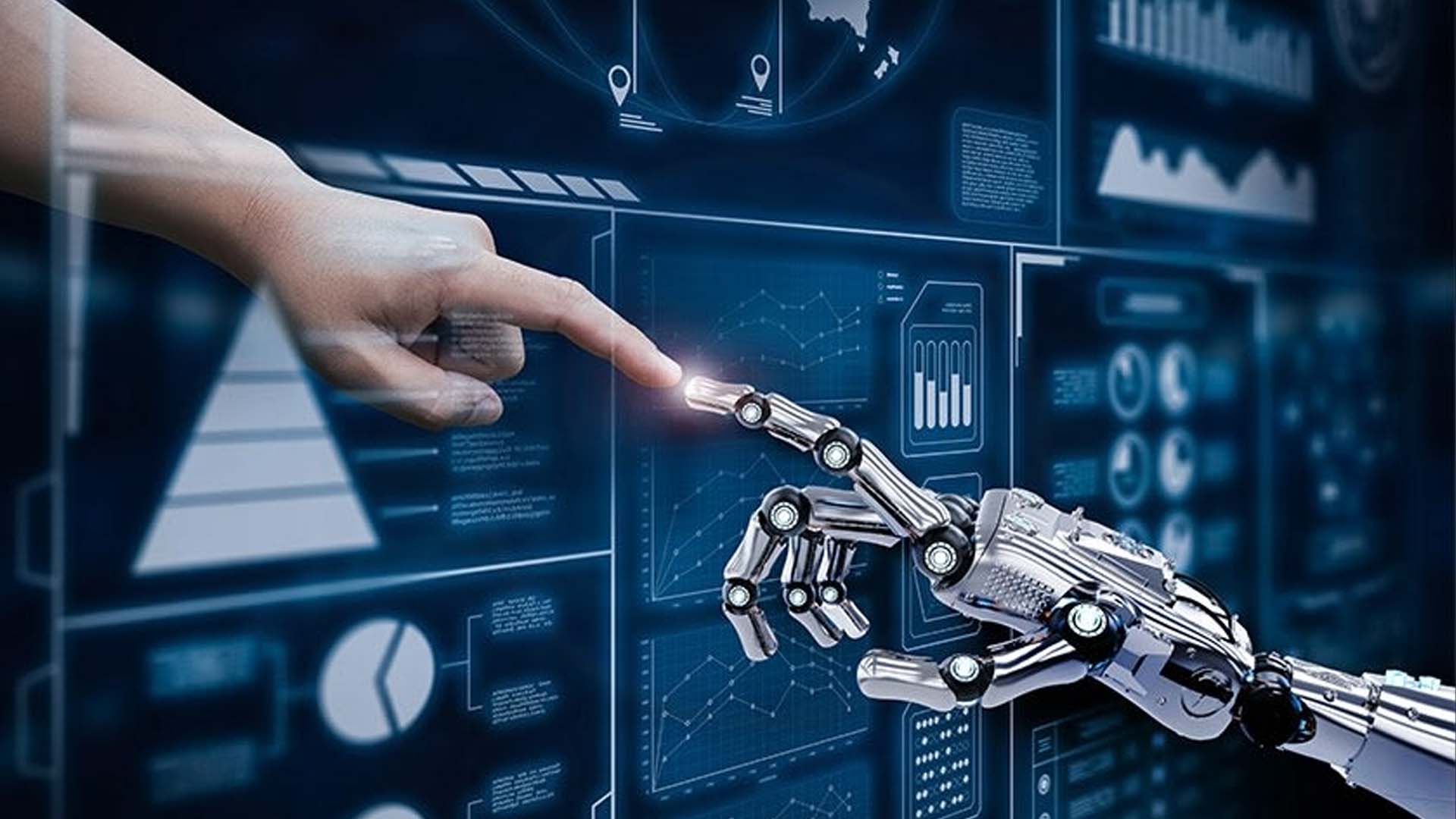
Artificial Intelligence (AI) is driving unprecedented changes across numerous sectors, leading the way in technological innovation. As half of the world leaps forward, embracing AI and other cutting-edge technologies, the other half struggles to keep pace, widening the chasm of digital inequality. The same technology that is transforming everyday life and reshaping the economic landscape also harbors the potential to exacerbate social disparities, if not harnessed carefully.
For instance, in many parts of the world, the lack of basic internet connectivity and digital literacy can prevent communities from benefiting from AI advancements, thereby perpetuating cycles of poverty and underdevelopment. According to the World Bank, one-third of the global population (or 2.6 billion people) remained offline in 2023, a stark contrast to the 90 percent online in high-income countries. In many developing nations, fewer than half of the businesses have basic internet access, even as their counterparts in wealthier countries increasingly integrate AI into their operations.
This digital divide not only highlights disparities in technology access but also raises critical questions about the future - Can AI exacerbate these inequalities, or can it actually help bridge the gap? This inequality goes beyond just access to technology - it affects the educational opportunities, economic development, and healthcare outcomes of those who are left behind.
Further, there's a significant concern that AI and automation could lead to job displacement, particularly impacting low-skill roles that are more prevalent in less developed areas. Without adequate transition plans and re-skilling initiatives, workers displaced by AI might find it challenging to secure employment in the new digital economy.
Narrowing the gap between the digital haves and have-nots
To ensure AI and other emerging technologies benefit all globally, concerted efforts are needed from governments, NGOs, and the private sector. The global community must unite to navigate these waters, ensuring that these technologies become a force for good, promoting equality rather than dividing us further.
Here are a few recommendations:
- International organizations and governments must collaborate on standards and guidelines to ensure the responsible rollout of AI technologies worldwide.
- Significant investments are required to enhance connectivity and technology infrastructure in underserved areas to enable access to AI technologies.
- Investment in education and training to equip people with the skills necessary to thrive in an AI-driven world.
- Developing AI solutions that are inclusive and unbiased is critical to ensure that these technologies benefit a diverse range of populations.
"Digital access should be seen as a must for every citizen rather than a luxury for a few," says Axel van Trotsenburg, World Bank's Senior Managing Director (SMD).
If harnessed responsibly, AI can be a powerful tool to bridge the global digital divide and offer unprecedented opportunities to underprivileged areas. By addressing the challenges and strategically leveraging AI's potential, we can ensure a more equitable technological future. This will ensure that progress benefits not just a select few, but every corner of the globe.
ALSO READ
-
ILO Urges Skills Overhaul to Help Workers Thrive as Technology Transforms Their Jobs
-
Breaking Cybersecurity’s Gender Barriers: UN Women and GCF Back Women’s Leadership
-
Can Brazil-AfDB Cooperation Turn Mali’s Farms, Skills and Clean Energy into Lasting Growth?
-
India's Electronic Leap: NXP CTO Praises Market Potential
-
Africa and Korea Put AI at the Heart of a New Push for Jobs and Digital Investment


 Google News