

Boeing's Starliner Capsule Achieves Key Milestone with Successful ISS Docking
Boeing's Starliner capsule, crewed by NASA astronauts Butch Wilmore and Suni Williams, successfully docked with the International Space Station. Despite minor technical issues, the docking demonstrated the vessel's flight-worthiness and marked a competitive milestone against Elon Musk's SpaceX. The autonomous docking occurred 250 miles above the southern Indian Ocean.
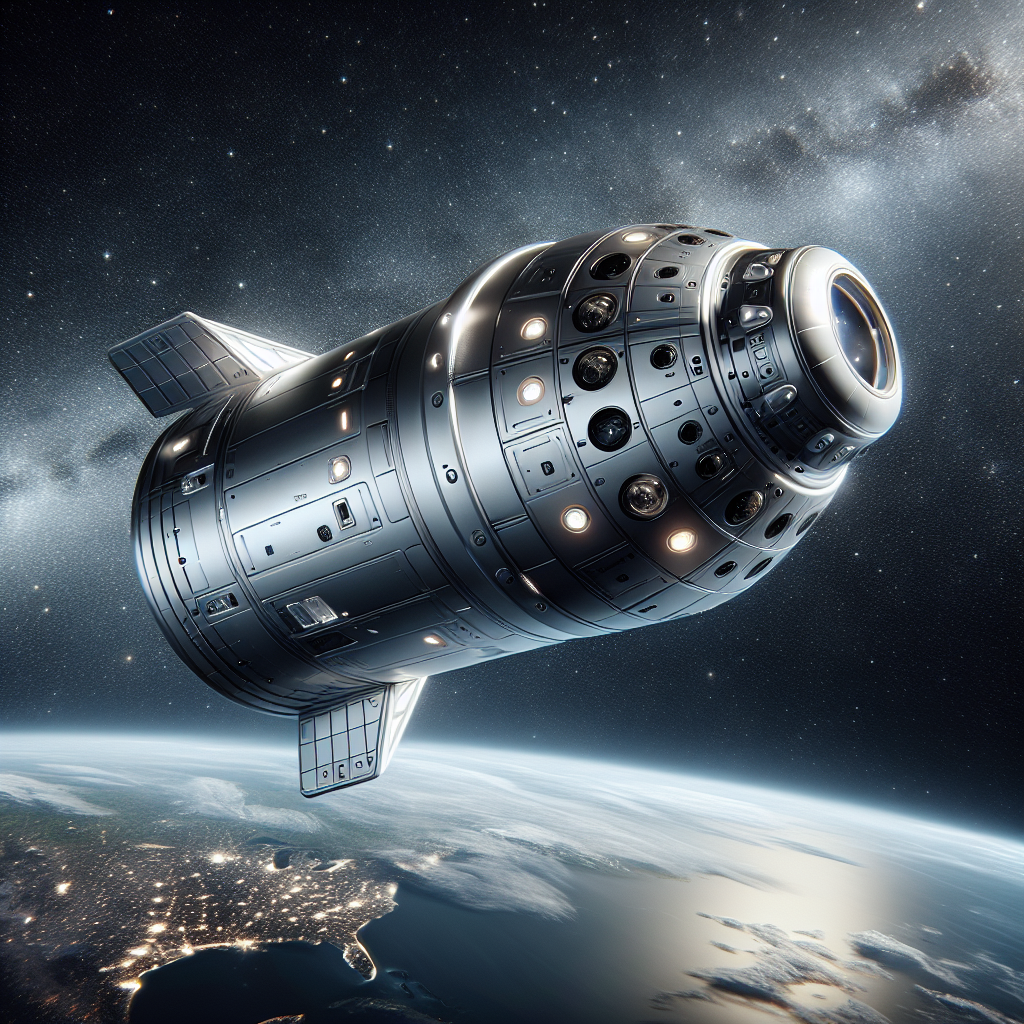
Boeing's new Starliner capsule and its inaugural two-member NASA crew safely docked with the International Space Station on Thursday, meeting a key test in proving the vessel's flight-worthiness and sharpening Boeing's competition with Elon Musk's SpaceX. The rendezvous was achieved despite an earlier loss of several guidance-control jet thrusters, some of them due to a helium propulsion leak, which NASA and Boeing said should not compromise the mission.
The CST-100 Starliner, with veteran astronauts Barry "Butch" Wilmore and Sunita "Suni" Williams aboard, arrived at the orbiting platform after a flight of roughly 26 hours following its launch from Cape Canaveral Space Force Station in Florida. The reusable gumdrop-shaped capsule, dubbed "Calypso" by its crew, was lofted into space on Wednesday atop an Atlas V rocket furnished and flown by Boeing-Lockheed Martin's United Launch Alliance joint venture.
It autonomously docked with the ISS while both were orbiting some 250 miles (400 km) over the southern Indian Ocean at 1:34 p.m. EDT (1734 GMT). The spacecraft's final approach to the ISS and docking, following a brief interval when Wilmore manually controlled the capsule, was shown on
a NASA webcast .


 Google News