

Global Space Race: Taiwan and China Thrill with Ambitious Space Projects
A Taiwanese startup plans its first rocket launch from Japan, facing regulatory challenges but aiming to boost Japan's space hub ambitions. Meanwhile, China's secretive reusable spacecraft tests dual-use technology, potentially for satellite manipulation or retrieval, highlighting Asia's growing presence in space exploration.
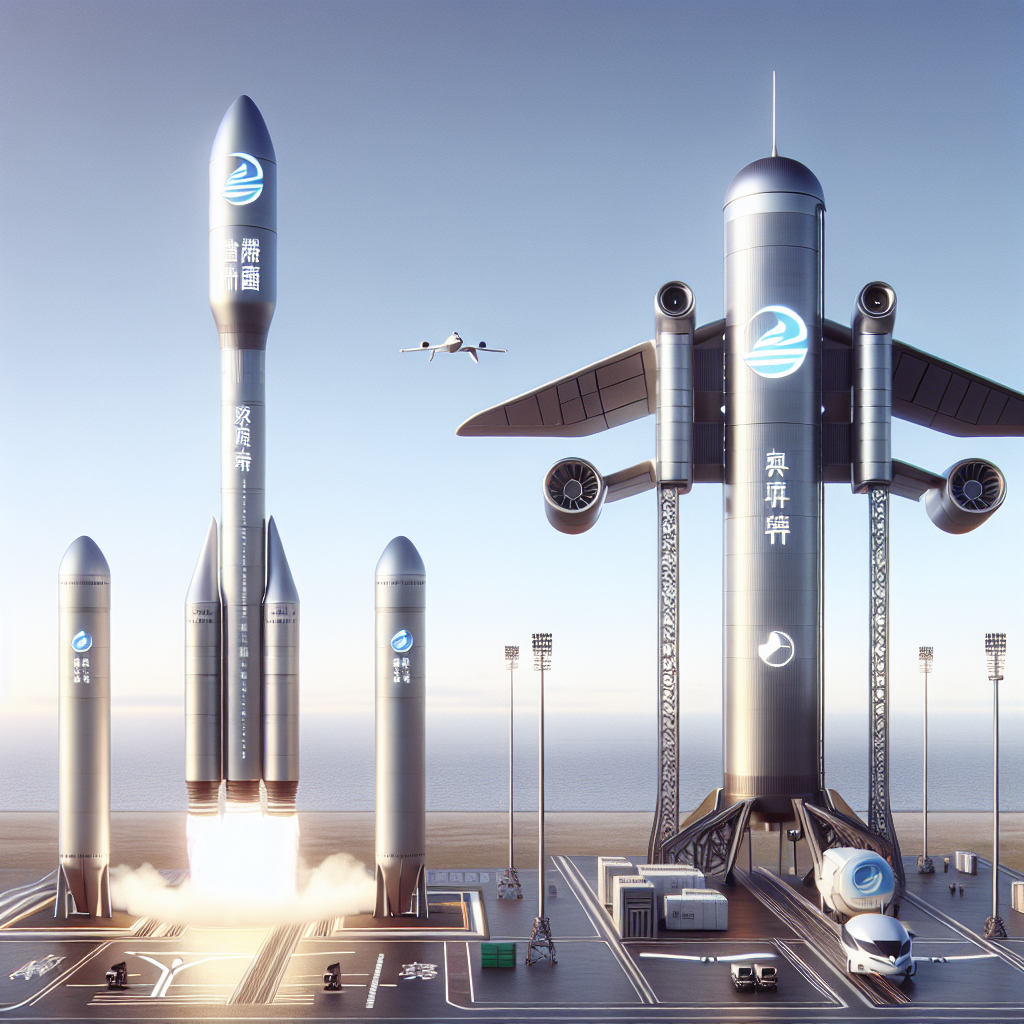
A Taiwanese startup named TiSpace aims to make history by becoming the first foreign company to launch a rocket from Japan early next year. This initiative is part of Tokyo's broader ambition to become a leading space hub in Asia, despite facing regulatory hurdles and delays. Experts argue that successful integration of overseas businesses like TiSpace could significantly aid Japan in doubling its space industry's size to 4 trillion yen ($26 billion) over the next decade.
In another part of Asia, China's secretive reusable spaceplane is making waves in the aerospace community. The uncrewed reusable spacecraft, launched atop a rocket booster, is suspected of testing dual-use technology. Analysts believe it could be employed for manipulating or retrieving satellites. The spaceplane, currently on its third mission, demonstrated intriguing behavior in June by releasing an object, moving several kilometers away from it, and then maneuvering back within a few hundred meters. This advanced maneuverability highlights the technological strides China is making in space exploration.
Both these developments reflect the burgeoning interest and competition among Asian nations in the space sector. As Taiwan and China push the boundaries of technology and regulatory frameworks, they contribute to the broader global space race, emphasizing Asia's growing dominance.


 Google News