

How AI and Robotics Are Reshaping Workplace Health and Safety Globally
The integration of robotics and AI is not only automating routine and hazardous tasks but also actively improving workers’ health and safety conditions.
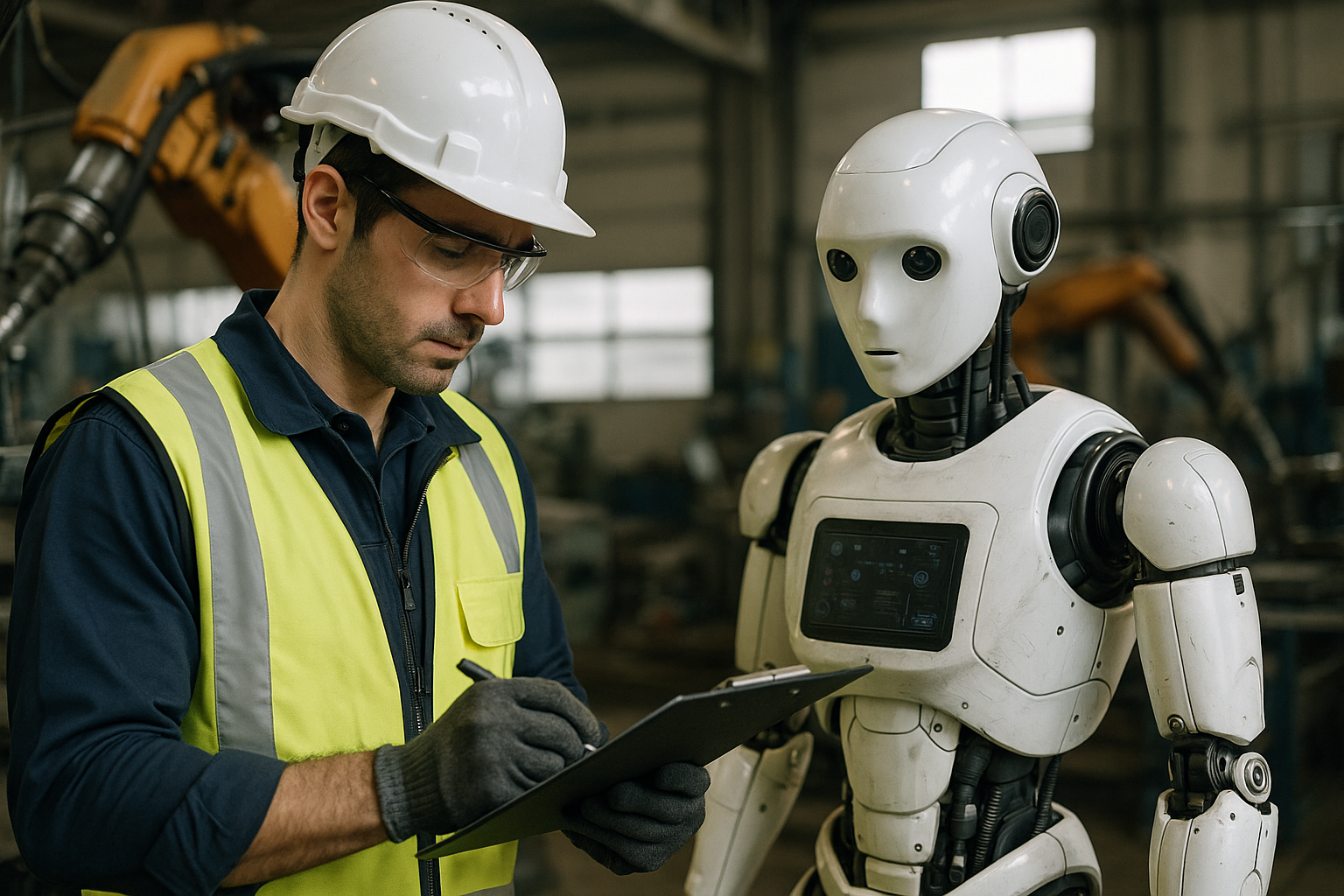
Emerging technologies—artificial intelligence (AI), robotics, automation, and digital tools—are fundamentally transforming workplace safety and health across the globe. In a recent comprehensive report titled Revolutionizing Health and Safety: The Role of AI and Digitalization at Work, the International Labour Organization (ILO) delves into the opportunities and challenges posed by these advancements.
With digitalization rapidly altering work environments, the report emphasizes a dual imperative: embracing the benefits of technological innovation while crafting forward-thinking policies to safeguard worker well-being.
Transforming Workplace Safety Through Technology
According to the ILO, digital innovations are redefining traditional occupational safety and health (OSH) systems. The integration of robotics and AI is not only automating routine and hazardous tasks but also actively improving workers' health and safety conditions.
Key Benefits Highlighted:
-
Robotic Substitution of Risky Jobs: Robots are increasingly taking over "3D jobs"—dirty, dangerous, and demeaning roles—minimizing human exposure to high-risk environments such as chemical plants, mines, and disaster zones.
-
AI-Driven Monitoring and Prediction: Advanced AI systems enable real-time hazard detection, predictive analytics for equipment failure, and early warnings for potential health issues.
-
Smart Wearables and Sensors: Devices that track physical strain, air quality, temperature, and noise levels are helping prevent injuries and illnesses by alerting workers and supervisors to environmental risks.
-
Virtual and Extended Reality: These tools offer immersive training experiences that simulate real-world hazards without actual exposure, thereby improving preparedness and reducing accidents.
-
Mental Health Support through Hybrid Work: Digital tools are facilitating remote and hybrid work arrangements, giving workers more autonomy and potentially reducing stress by improving work-life balance.
New Technological Risks and Ethical Challenges
Despite the advantages, the ILO report warns against complacency. Digitalization introduces novel safety challenges and ethical concerns that must be addressed to protect workers across all sectors.
Emerging OSH Risks:
-
Increased Vulnerability During Maintenance: Technicians and engineers who interact with complex machines may face new risks such as unintentional start-ups or unpredictable robotic movements.
-
Cybersecurity Threats: AI and automated systems are vulnerable to cyberattacks, which can lead to system malfunctions with potentially catastrophic consequences in industrial environments.
-
Ergonomic Issues from Wearables: Wearable technologies and exoskeletons may cause strain if they are not ergonomically designed or do not fit properly.
-
Psychosocial Risks: Continuous monitoring, algorithmic control of tasks, and the pressure to be constantly connected can elevate stress levels, lead to burnout, and impact mental health.
-
Digital Supply Chain Risks: Workers at every stage—from resource extraction to e-waste processing—face safety and environmental hazards, often with minimal protections.
Bridging the Regulatory Gaps
The ILO calls for a robust global regulatory framework to address the unique OSH risks introduced by digital transformation. Current labor laws and OSH conventions are often outdated and ill-equipped to manage the implications of emerging technologies.
Recommended Policy Interventions:
-
Updating OSH Conventions: The ILO emphasizes leveraging OSH conventions (Nos. 155 and 187) as foundational tools, but recommends revisiting these frameworks to integrate digital-era realities.
-
Human-Robot Interaction Standards: Regulations should define safe interaction protocols between humans and machines, including emergency shut-off procedures and design standards.
-
Right to Disconnect: Recognizing the mental health impacts of always-on digital culture, countries are increasingly enshrining the right to disconnect in legislation.
-
Fair Algorithmic Management: Governments must ensure that AI-driven work scheduling, productivity tracking, and performance assessments are transparent, equitable, and respectful of worker rights.
-
Remote and Platform Work Protections: Guidelines for telework and gig economy roles should include clear standards on ergonomic safety, work hours, and data privacy.
The Role of Workers and Continuous Learning
Worker involvement is critical in shaping safe technological adoption. The ILO stresses that safety cannot be a top-down initiative—it must be co-developed with those on the ground.
Key Action Areas:
-
Participatory Policy Development: Engaging workers and unions in drafting tech-related safety policies ensures practical and inclusive outcomes.
-
Continuous Education: Regular training on the use of AI systems, robotics, and safety tools is essential to minimize risks and build confidence in new systems.
-
Ongoing Research: As the digital landscape evolves, so too must our understanding of its health implications. Long-term research is needed to assess chronic exposure effects, psychosocial stressors, and safety outcomes.
Conclusion: A Balanced, Human-Centric Approach
Technology offers unprecedented opportunities to revolutionize workplace health and safety, but it must be deployed with caution and foresight. As AI, robotics, and digitalization continue to advance, their implementation must prioritize human well-being, equitable access, and proactive risk management.
The ILO's report serves as both a roadmap and a call to action—inviting policymakers, employers, and workers alike to co-create a future where innovation and safety go hand in hand.
ALSO READ
-
AI in Courts Could Open Doors to Justice or Leave Vulnerable People Further Behind
-
Smartwatch AI Reaches 91% Accuracy in Heart Rhythm Study, With Important Trade-Offs
-
Free AI Training Opens Doors for African Public Officials to Build Smarter Services
-
UN Women Launches New AI Hub to Put Women’s Rights at Heart of Digital Future
-
Pope Leo XIV Calls for Peace and Safer AI for Young People at UNESCO Visit


 Google News