

Explosive Analysis: Unraveling the Mahazza Missile Incident
An investigation reveals a U.S.-operated Patriot missile possibly caused a devastating explosion in Bahrain amid the Iran conflict. While the missile intercepted an alleged Iranian drone, the resulting blast injured civilians and damaged homes. This incident underscores the challenges and risks of using advanced defense systems against cost-effective drones.
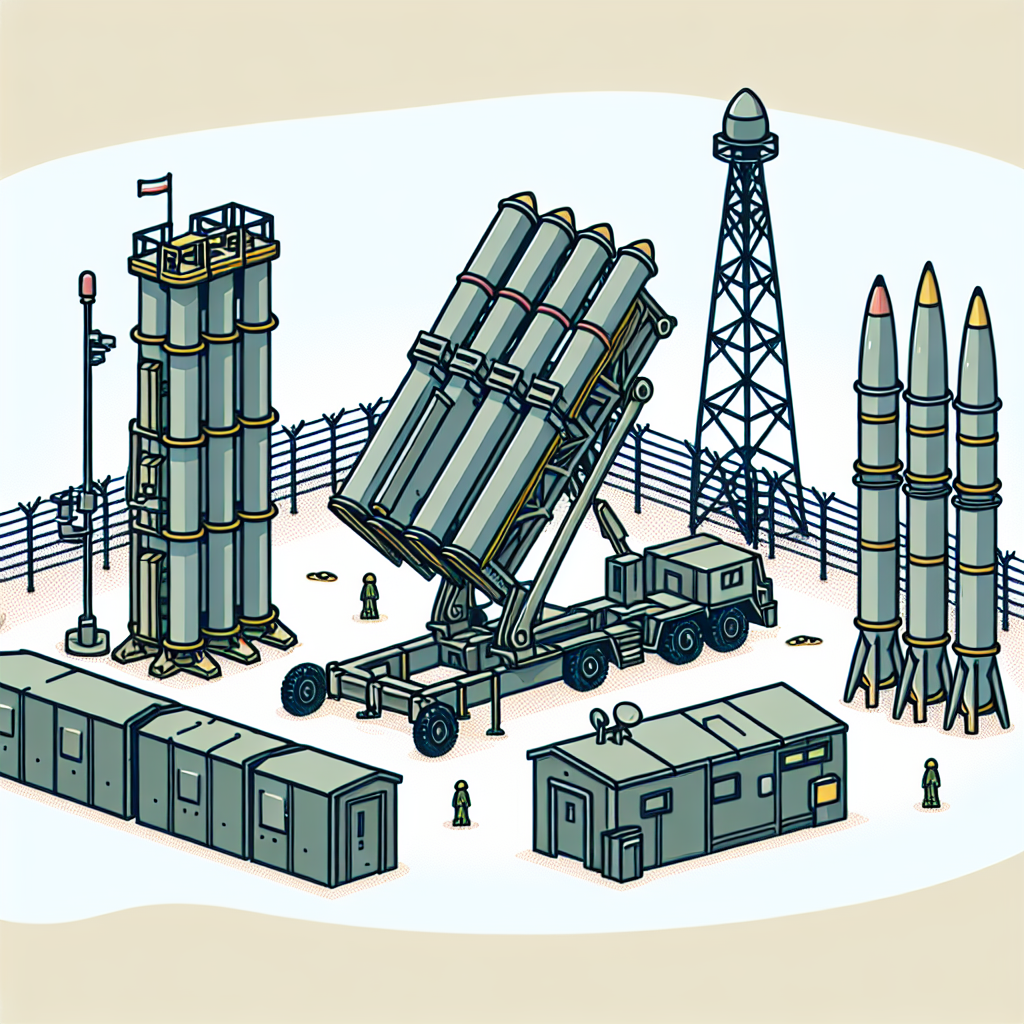
In a significant development during the ongoing conflict with Iran, a U.S.-operated Patriot missile is under scrutiny for its role in a devastating explosion in Bahrain. The incident, which occurred 10 days into the war, saw the missile intercept an alleged Iranian drone but resulted in widespread damage and civilian casualties.
According to academic researchers examined by Reuters, the missile's involvement, initially unacknowledged by Bahrain, was later confirmed. Despite both Bahrain and Washington blaming an Iranian drone, evidence of such is lacking. The event highlights the complexities and potential for collateral damage when deploying sophisticated defense systems against economical drone threats.
Bahrain plays a pivotal role in regional security, yet this incident exposes vulnerabilities in air defense tactics. The Middlebury Institute's analysis, using commercial satellite imagery and other open-source data, suggests that the missile was launched from a U.S. Patriot battery. This situation reveals the intricate balance of military strategy and local ramifications in high-stakes global conflict zones.


 Google News