

PUBG addiction: Is there a way out?
With the younger generation spending more time with digital devices, mental and physical health is becoming an issue of concern. Overexposure to modern technologies can have a devastating effect on the social, mental and physical health of an individual.
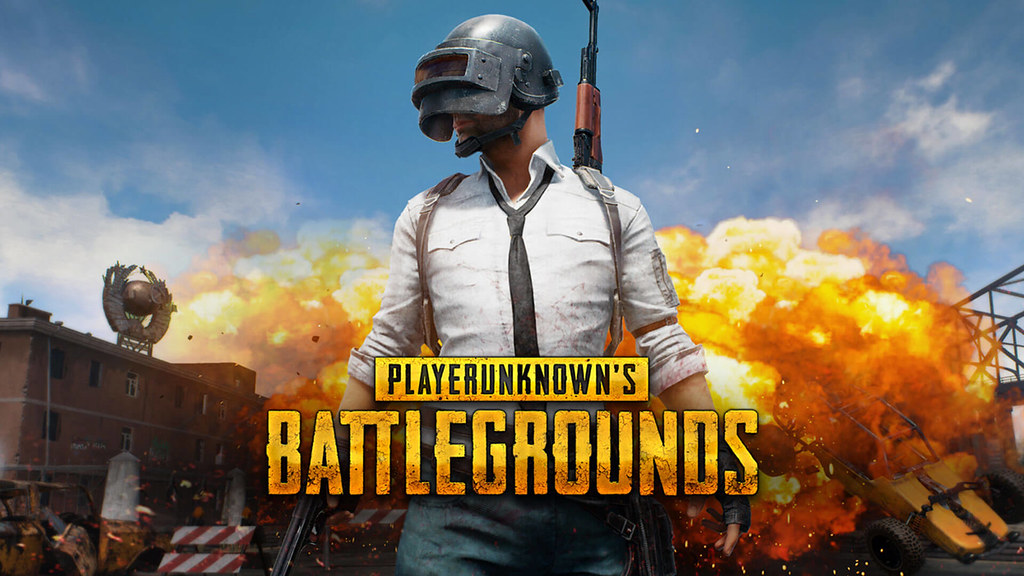
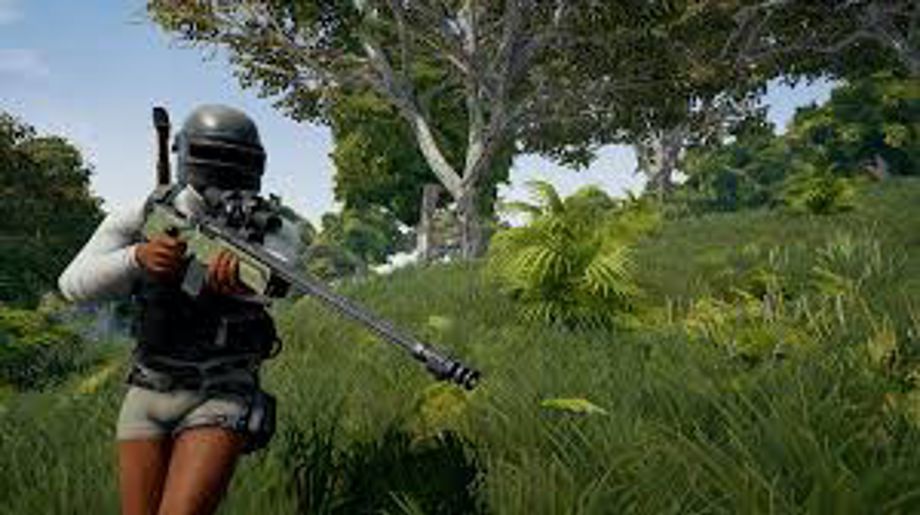
PlayerUnknown's Battlegrounds, aka PUBG, one of the world's most popular online mobile games is slowly turning destructive for the youth. PUBG is a game in which a maximum of 100 players drop on an island and fight to be the last one left standing. The players have to search for arms and other equipment after landing on the island and compete to win the game. Players can team with their friends and create crews that they can venture onto the island with. The cooperative play also sees players healing fallen comrades, strategizing in teams and holding positions for better defensive play. Players can chat with each other and on mobile phones.
Despite repeated warnings that the game encourages violence and contributes to bullying among youth, it is still the most downloaded free game in India. The popular smartphone game has been blamed for adversely affecting studies, overall behavior, conduct and language of children. The game has been banned by several countries including Jordan, Iraq, Nepal, the Indian state of Gujarat and the Indonesian province of Aceh, on the ground that it leads to violent behavior among children and youth.
The ground reality is that online, multi-player games have taken over the millennials big time in India, sending the earlier individual mobile games like Candy Crush and Temple Run almost into oblivion.
In recent times, we have seen many shocking PUBG-related incidents. With the kind of loyalty towards games in terms of increased user-base, reach and time invested that has been noted in recent years, it would not be wrong to say that from just being a mode of recreation, group mobile gaming has risen to become a new dimension of existence for the millenials in India, say experts.
Last year, the World Health Organization added digital gaming or video-gaming to the 11th Revision of the International Classification of Diseases (ICD-11). ICD-11 defines gaming disorder as a pattern of gaming behavior characterized by impaired control over gaming, increasing priority given to gaming over other activities to the extent that gaming takes precedence over other interests and daily activities, and continuation or escalation of gaming despite the occurrence of negative consequences.
Is there a way out?
Many people are still unaware of the fact that gaming addiction is actually a serious concern affecting millions around the world. Here are a few points to tackle PUBG addiction:
- Just UNINSTALL it!
Yes, you read it right. Though it may be difficult to delete the game, yet it would be the easiest and the first thing you can do to help yourself.
- Don't look back
Once the game is uninstalled, don't think about it and convince yourself to not to install it again, at any cost.
- Don't let the game play you
Learn to maintain a balance between the virtual and the real world. Immersing totally into the fantasy worlds may seriously affect your mental health and subsequently put your life at risk.
- Find a distraction
Get yourself engaged in other activities like reading books, traveling, gardening or any other game (indoor or outdoor), to keep yourself distracted from getting back into PUBG.
- Seek professional help
If you can't handle the situation alone, then consult therapists, counselors or psychologists to get the help you need to overcome the gaming addiction.
Well, the technology was never intended to harm humans but the way we use it today has attracted much more attention to the negative side-effects of it. It's an undeniable truth about technologies that it could be destructive too, all depends on how we use it.


 Google News