

'Birth Control' for Birds?
Scientists Develop Safe and Humane Solution for Pigeon Control.
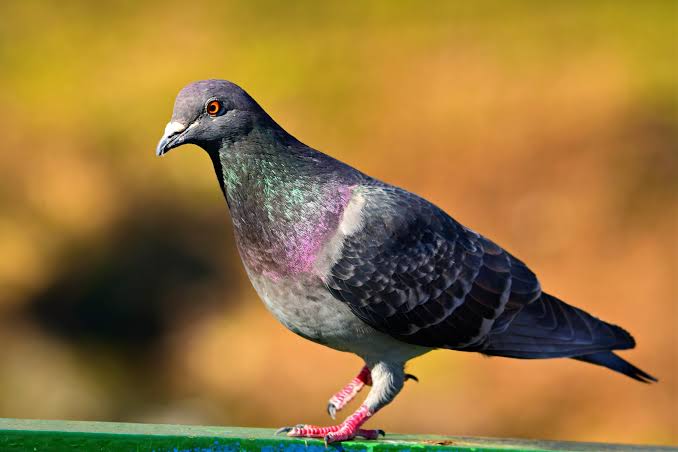
Since the time of the ancient Egyptians, pigeons have followed the progressive development of mankind. A common sight in virtually every urban area, feral pigeons have historically served as a food source, experimental model, hobby and even messenger. Unfortunately, with adequate food, water, and quality nesting habitat, the population can quickly get out of control and the birds switch from charming natural accent to pest.
In the history of pest control, the most common methods are to either eliminate them through lethal means or make the current location so undesirable that the creatures leave of their own volition.
Feral pigeons are often culled through lethal means – trap and euthanize, shoot, or poison. Unfortunately, based on the pigeon's innate ability to rapidly reproduce, killing the birds has a little long-term effect as the birds rapidly backfill the lost population.
With the invention of birth control for birds, a new effective concept in pigeon control, pigeon populations all over the world are being humanely reduced to tolerable numbers without the need for poisoning or killing them. The innovative product contains nicarbazin, a compound that has been used in the chicken industry for over 60 years to prevent chickens from getting coccidiosis, an enteric disease. Along the way, it was discovered that nicarbazin, also caused the eggs of chickens to stop hatching. This side effect was tested in multiple bird species and was found to prevent the fertilization of the eggs that were laid by treated female birds. In other words, "birth control" for pigeons, and a declining population of birds.
In industry, many types of facilities attract pigeons. Left to their own devices, the flock will grow exponentially at a rate of 2 eggs per mating pair (pigeons mate for life), and up to 6 times per year. If there is adequate food, water, and quality nesting habitat, the pigeon flocks will grow to enormous numbers in a short period of time. Just 5 mating pairs can become 400 pigeons in 2 years!
Many industrial sites find themselves swamped in pigeons seemingly overnight. It may have occurred over a period of months, but all of a sudden, the facility may find itself incurring enormous costs and operational interruptions – cleaning up pigeon poop is no laughing matter and to ignore it is to invite corrosion, disease and slip-and-fall hazards.
What are the options for such a site to take back their facility and get rid of the pigeons?
There are several methods available to pigeon infested sites. As mentioned above, an obvious choice would be for the facility to begin a birth control program. The pigeons are simply fed nicarbazin laced pellets once a day from an automatic feeder placed in a location safe from tampering (such as a rooftop) and the feeder is set to dispense the pellets to the pigeons being treated. This program will effectively cut the population in half each year. An OvoControl birth control program is a low cost, low maintenance method for pigeon control. It can be set up by a pest control company or handled in-house.
Sometimes, even a method as effective as a birth control program will not work to solve all the issues associated with a resident flock of pigeons who love where they are. Two other methods can be used with this program that offers, in one case, a more rapid population reduction and in the other case, a method to keep the pesky pigeons off and out of certain places.
The first method falls under the category of "culling" pigeons. This method includes shooting, poisoning, and trapping/euthanizing the birds. Of these methods, the one most compatible with a birth control program is trapping.
Trapping usually involves setting up one-way cages that attract the birds and must be monitored and provide food and water for humane purposes. The pigeons collected in this manner are usually euthanized since if they are simply let go, will return to the location from which they came.
The second method that can supplement a birth control program involves physical exclusion. The exclusion method can be just what is needed to keep the birds from nesting in specific areas and/or prevent them from entering certain parts of a facility. The biggest downside of this method is the expense. A large exclusion program can be very costly and requires a trained installer as well as maintenance. A combination of nets can be installed to achieve the goal of protecting defined areas.
Unfortunately, the physical exclusion will not do anything to reduce a pigeon population that is in love with their current location. If pigeons are simply an annoyance, sometimes a simple exclusion/repellent combination program can provide temporary relief. However, if any pigeon population thrives, one thing you can count on is this – it will grow and grow and grow!
In summary, pigeon pest control consists of applying various tools to help alleviate the pain that they are inflicting on a given site. Birth control will reduce the population, but it takes time. Culling and exclusion can be messy, costly, and will not reduce the number of annoying birds long-term unless combined with a program such as birth control.
(Disclaimer: Devdiscourse's journalists were not involved in the production of this article. The facts and opinions appearing in the article do not reflect the views of Devdiscourse and Devdiscourse does not claim any responsibility for the same.)


 Google News