

Guinea-Bissau Faces Rising Poverty Amid Economic Volatility and Regional Disparities
Data from the 2018/19 and 2021/22 Harmonized Household Living Conditions Surveys (EHCVM) revealed that poverty levels climbed from 47.7% in 2018 to 50.5% in 2021.
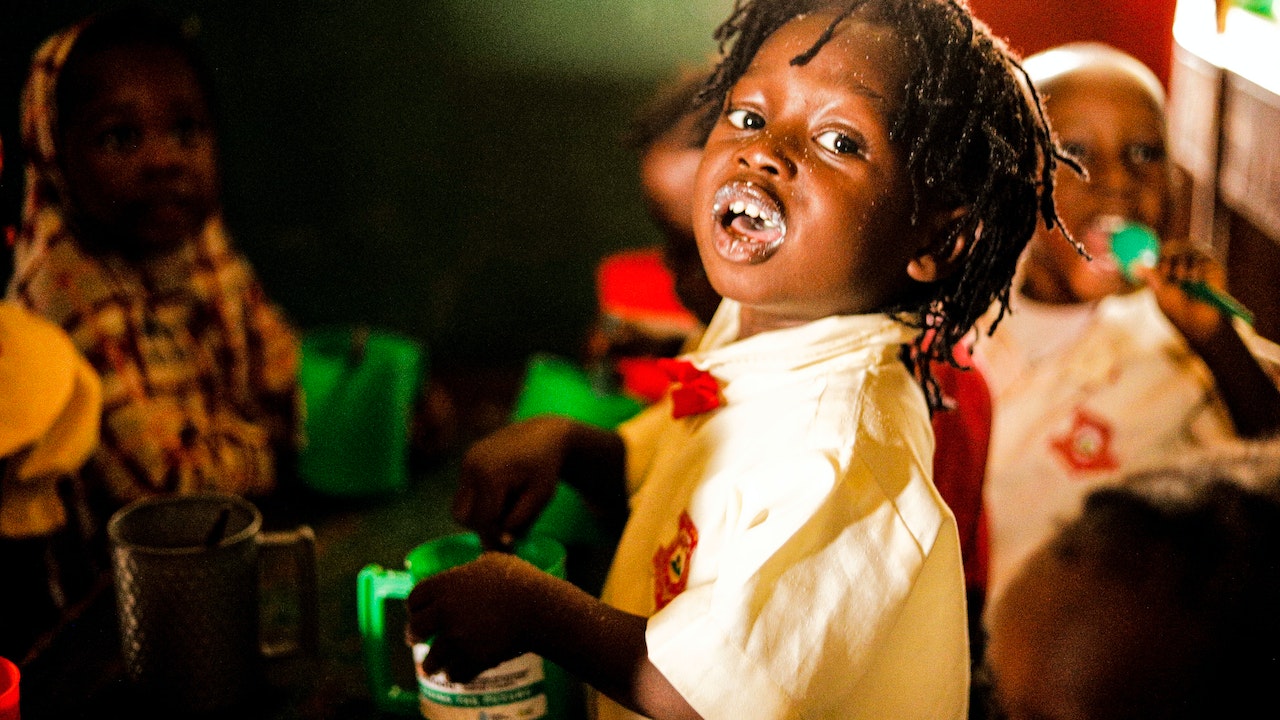
In recent years, Guinea-Bissau has witnessed a troubling rise in poverty, exacerbated by economic instability and regional inequalities, according to the latest "Poverty, Shared Prosperity and Equity Update" report. Between 2018 and 2021, the country saw an increase in poverty rates by 2.8 percentage points, adding over 80,000 people to the ranks of the poor.
Data from the 2018/19 and 2021/22 Harmonized Household Living Conditions Surveys (EHCVM) revealed that poverty levels climbed from 47.7% in 2018 to 50.5% in 2021. Although both urban and rural areas experienced similar upward trends in poverty, rural regions continue to bear a heavier burden, with over half of their populations living below the poverty line.
In Guinea-Bissau's capital, Bissau, poverty remained stable at 21%, while other urban areas saw an increase, reaching 42% by 2021. The disparities between urban and rural poverty are stark, with rural dwellers facing greater challenges in meeting basic needs.
Economic growth in Guinea-Bissau has been erratic, with a notable rebound in 2021 followed by a slowdown to 3.5% in 2022 and a projected further decline to 2.8% in 2023. The country's economy remains vulnerable to external shocks, including fluctuations in global trade terms and climate-related risks. The impact of these factors has been compounded by disruptions in global supply chains and rising food prices linked to international conflicts, such as the Ukraine war.
Regional disparities in poverty persist, with the regions of Oio, Gabu, and Quinara reporting the highest poverty rates. Oio, in particular, saw poverty levels rise sharply by 8.3 percentage points from 2018 to 2021, reaching 72% poverty incidence. Gabu and Biombo also experienced significant increases, with poverty rising by 14 and 12.3 percentage points, respectively, during the same period.
Despite these challenges, some regions like Cacheu, Bolama/Bijagos, and Bafata recorded declines in poverty rates. However, over half of Guinea-Bissau's poor population remains concentrated in Oio, Gabu, and Bafata, highlighting the urgent need for targeted interventions in these areas.
While overall consumption per capita declined for all households between 2018 and 2021, the wealthiest households experienced the sharpest reductions, contributing to a slight decrease in consumption inequality. In contrast, the poorest 40% of households saw a more moderate decline, indicating a nuanced impact of economic shifts across different income groups.
Addressing these complex challenges requires comprehensive strategies that enhance economic stability, reduce regional disparities, and strengthen social safety nets. Efforts to promote sustainable economic growth and improve living standards must prioritize the most vulnerable populations, particularly in rural and high-poverty regions of Guinea-Bissau.


 Google News