

Unemployment Claims and Inflation Pressures Cast Shadow Over U.S. Economy
Recent data shows a slight rise in U.S. unemployment claims and strong growth in unit labor costs, suggesting no significant change in the labor market. Despite eased employment growth, wage pressures persist, casting uncertainty over inflation and interest rate expectations. Fed's policy decisions reflect these challenges.
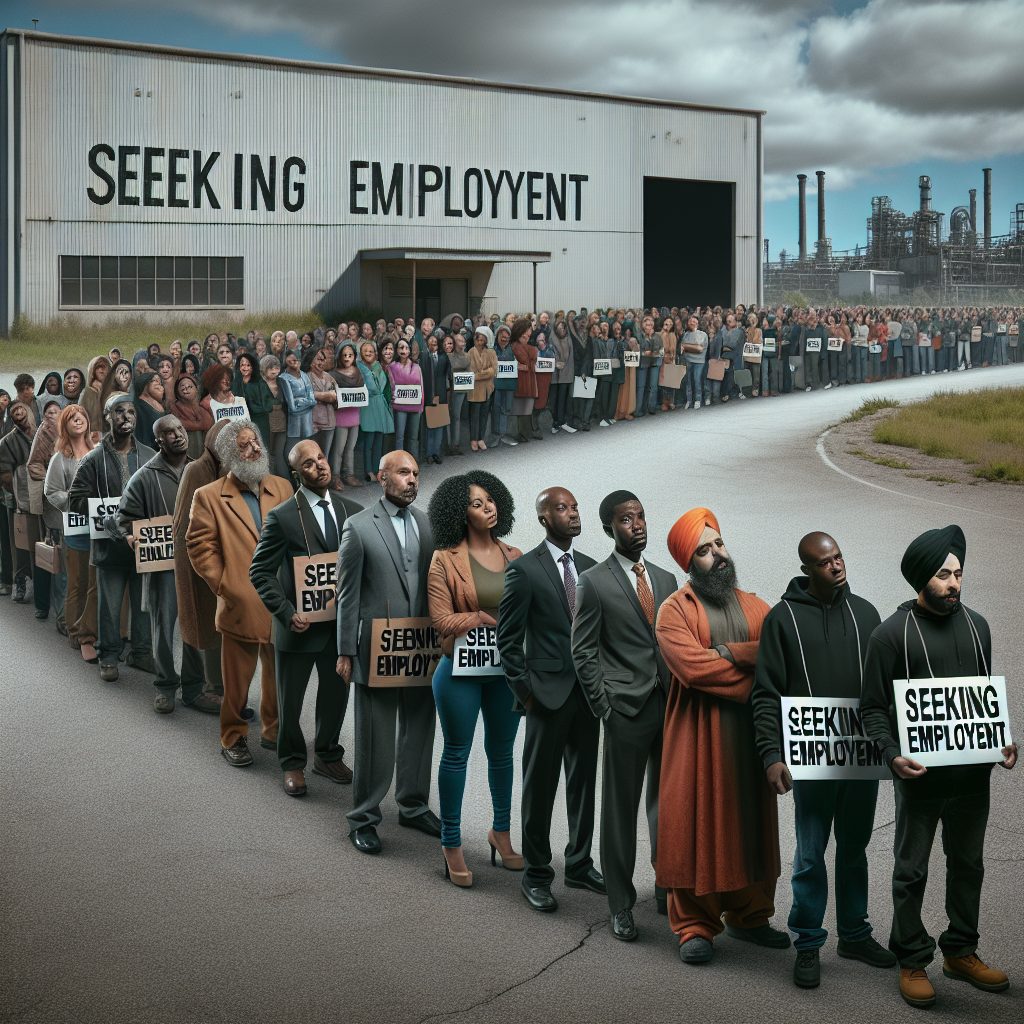
The latest figures reveal that the number of Americans filing for unemployment benefits slightly increased last week. This uptick points to minimal changes in the labor market, with hurricanes and worker strikes nearly stalling job growth in October. Despite labor market easing, the pressure on wages persists.
Economists note a strong rise in labor costs, deeming it incompatible with the Federal Reserve's 2% inflation target. In response, the Fed cut interest rates by 25 basis points as expected. However, unless unit labor cost growth slows, it will be challenging for inflation to be maintained at 2%.
Employment growth slowed considerably last month with only 12,000 jobs added. Strikes and hurricanes contributed to these disruptions, but a rebound in job growth is expected in November. Despite these labor market signals, some economists remain cautious about the future inflation trajectory.
ALSO READ
-
Seychelles Growth Set to Slow to 1% as Tourism Feels the Middle East Conflict’s Impact
-
ADB Approves $1.5 Billion to Protect Philippines From Conflict-Driven Price Hikes
-
Malawi’s Fragile Recovery Faces Jobs Test; Debt and State Firms Strain Economy
-
Asia’s Growth Slows to 5% as Energy Shocks and El Niño Put Regional Recovery at Risk
-
Asian Stocks Surge Amid Global Inflation Concerns


 Google News