

Kosovo Urged to Invest $2.8 Billion in Climate Resilience and Renewable Energy Transition by 2030: World Bank Report
The report estimates that comprehensive climate adaptation measures will require annual spending equivalent to 1.4% of GDP until 2050.
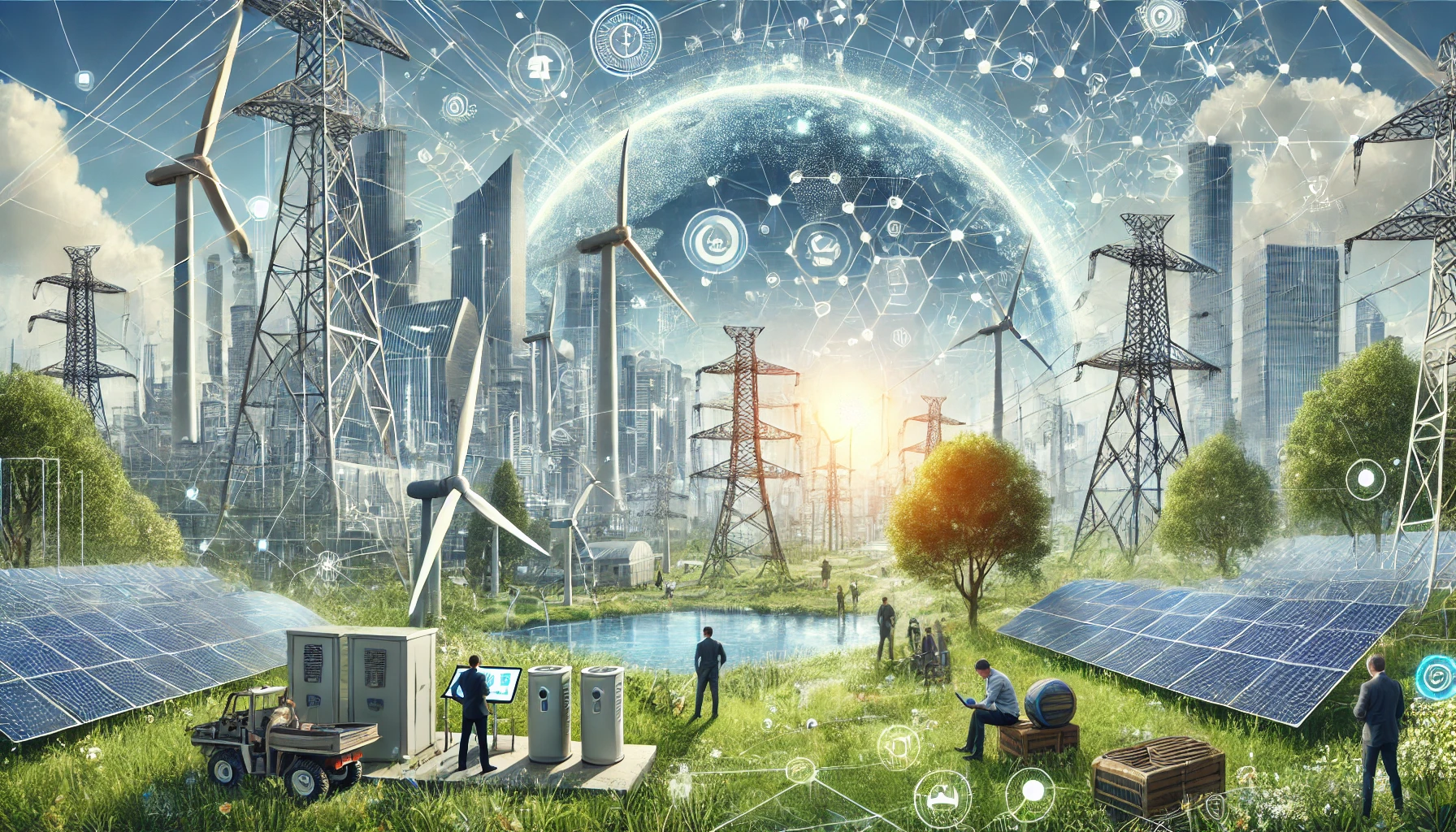
Kosovo must invest approximately $2.8 billion over the next decade to address escalating climate challenges and transition from fossil fuels to renewable energy, according to the World Bank Group's Country Climate and Development Report for Kosovo, released today. The report underscores the critical need for decisive action to safeguard the nation's economy, environment, and citizens from the impacts of climate change.
The report estimates that comprehensive climate adaptation measures will require annual spending equivalent to 1.4% of GDP until 2050. While these costs are significant, the costs of inaction—including environmental degradation, public health crises, and economic vulnerabilities—are far greater.
"Kosovo has made significant improvements in living standards over the past decade, but these gains have come with environmental and health consequences," said Massimiliano Paolucci, World Bank Country Manager for Kosovo and North Macedonia. "Investments in climate actions are expected to bring substantial environmental and public health benefits while fostering economic growth and job creation."
Economic and Environmental Opportunities
Investing in climate resilience offers Kosovo a unique opportunity to strengthen its economy:
Agriculture: Protect rural livelihoods by improving climate adaptation in farming.
Infrastructure: Enhance railways, waste management, and heating systems to deliver health and environmental benefits.
Human Capital: Build workforce skills and boost trade opportunities through green initiatives.
Kosovo's reliance on coal, particularly its aging lignite power plants, exacerbates environmental and health problems. Air pollution from inefficient energy systems and infrastructure costs the nation heavily in public health expenses.
Pathway to Net-Zero Emissions
The report calls for an accelerated energy transition to achieve economy-wide net-zero emissions by 2050. Recommendations include:
- Decommissioning Lignite Power Plants: Phasing out lignite facilities by 2045.
- Scaling Renewable Energy: Rapidly expanding wind and solar energy capacity, supported by storage solutions and regional energy integration.
- Private Sector Leadership: Mobilizing commercial banks and firms to contribute to decarbonization efforts, with the private sector expected to drive 85% of required investments, particularly in power, transport, and building sectors.
"To mobilize private capital for decarbonization, Kosovo must establish an enabling regulatory environment," noted Nicolas Marquier, IFC Regional Manager for the Western Balkans.
Policy and Investment Recommendations
The World Bank report emphasizes immediate action while laying the groundwork for long-term climate strategies:
-
Short-Term (By 2030)
- Modernize and diversify the energy mix to reduce dependence on lignite.
- Strengthen climate adaptation in agriculture and infrastructure.
- Foster skills development for the green economy.
-
Long-Term (2030-2050)
- Fully transition to renewable energy with supportive storage and regional connectivity.
- Align national policies with international climate commitments, ensuring sustained private and public investments.
Benefits of Climate Action
Investments in resilience and renewable energy will not only mitigate the impacts of climate change but also position Kosovo as a leader in sustainable development. Enhanced air quality, reduced energy poverty, and economic diversification are just a few of the rewards for proactive climate policy.
This report underscores that while the road to net-zero emissions demands radical transformation, the benefits—economic, environmental, and societal—are well worth the effort.
ALSO READ
-
El Niño Threatens 347 Million Children as Floods and Droughts Put Their Futures at Risk
-
East Asia’s AI Boom Fuels Growth and Opens a New Path to Better Jobs
-
Can Social Protection Create Better Jobs? World Bank’s 500 Million Target Faces a Major Test
-
From Imports to Industry: How Vietnam Built a Solar Export Powerhouse on Chinese Supply Chains
-
Tanzania’s Growth Gains Need Better Jobs to Bring Lasting Prosperity to More Families


 Google News