

Bank of England's Pivotal Move Amid Inflation Concerns
The Bank of England has reduced interest rates, predicting a temporary inflation rise and halving its growth forecast. Governor Andrew Bailey discussed the potential for further rate cuts, economic slowdown, and uncertainties in global trade. Structural policy impacts are expected to be slow, extending over a few years.
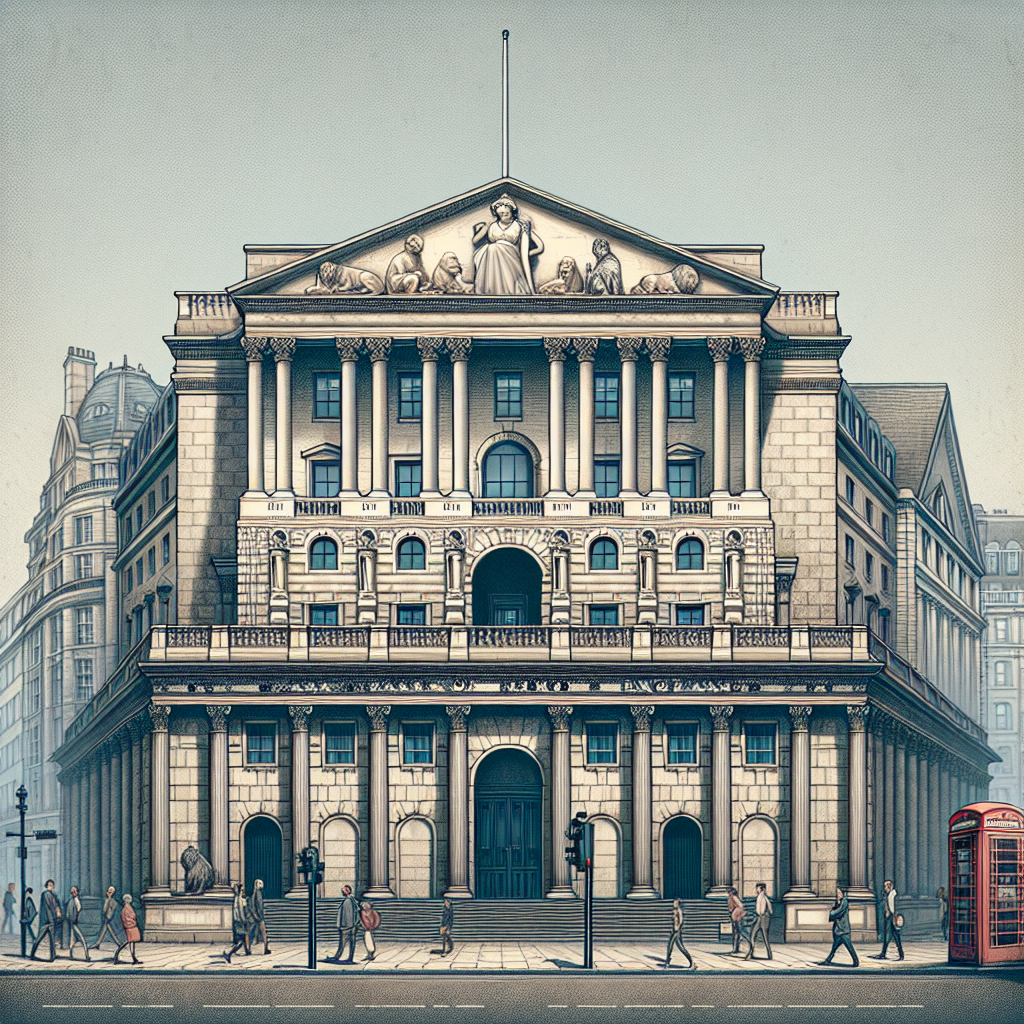
The Bank of England has made a significant decision to cut interest rates, as it also revised its growth outlook for the year downwards. Officials addressed the media following the announcement, emphasizing that the inflation spike is expected to be short-lived.
Governor Andrew Bailey highlighted the possibility of future interest rate cuts, indicating that each rate-setting meeting will assess inflationary pressure to ensure the cuts are justified. They are positioned as a response to the consistent, gradual easing of underlying inflationary pressures in the UK's economy.
He noted the deteriorating metrics of business and consumer confidence, alongside a cooling labor market, reflecting weaker economic activity. Additionally, uncertainties persist regarding global trade policies, while structural economic policies are expected to take two to three years before having a noticeable effect.
ALSO READ
-
Seychelles Growth Set to Slow to 1% as Tourism Feels the Middle East Conflict’s Impact
-
ADB Approves $1.5 Billion to Protect Philippines From Conflict-Driven Price Hikes
-
Malawi’s Fragile Recovery Faces Jobs Test; Debt and State Firms Strain Economy
-
Asia’s Growth Slows to 5% as Energy Shocks and El Niño Put Regional Recovery at Risk
-
Venezuelan Central Bank's Gold Transfer Nears Completion


 Google News