

Trade Showdown: India's Export Sectors Brace for U.S. Tariffs
The threat of reciprocal tariffs from the U.S. is causing concern across India's export sectors, potentially costing $7 billion annually. The most affected sectors include chemicals, metals, and agriculture. India's response includes cutting tariffs and boosting trade negotiations to minimize impacts.
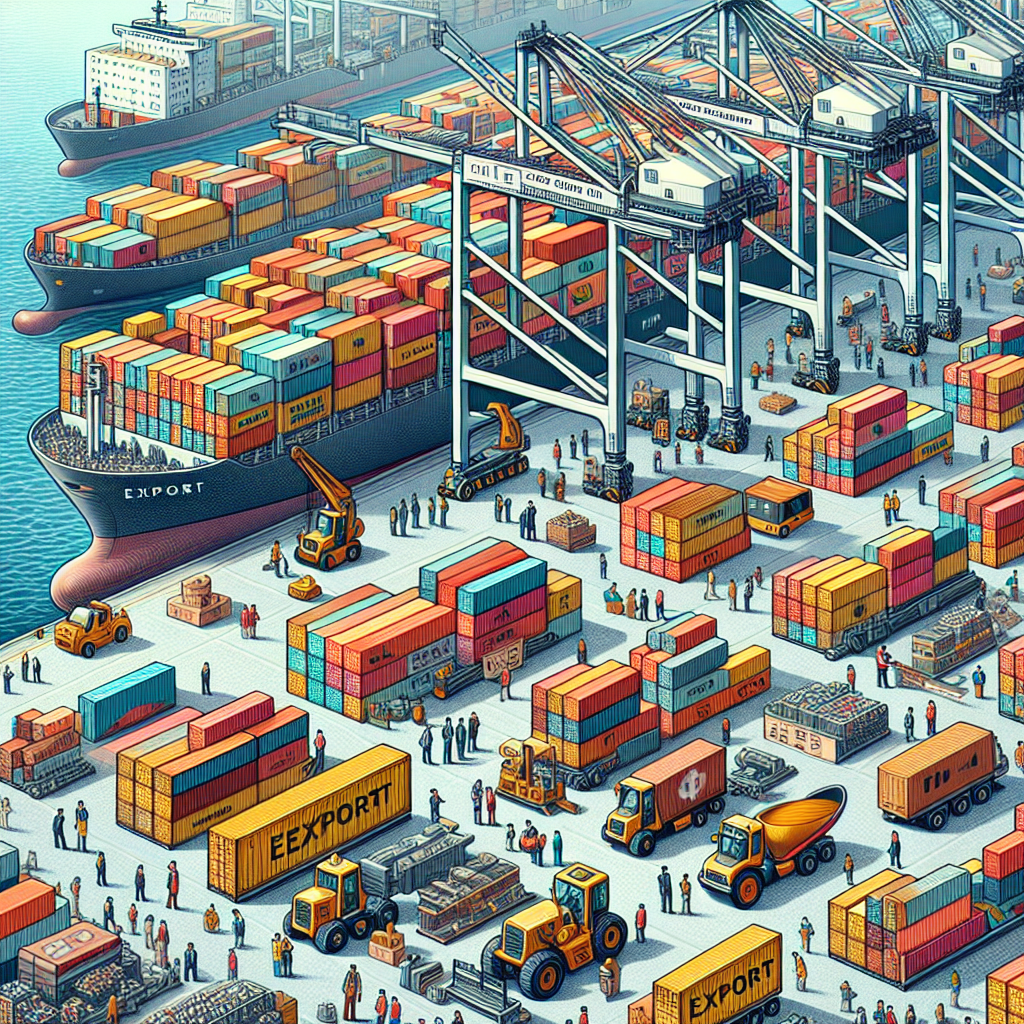
The specter of U.S. President Donald Trump's proposed reciprocal tariffs from early April is generating jitters among India's exporters in sectors ranging from automobiles to agriculture. Analysts at Citi Research project potential annual losses could amount to $7 billion.
Officials in India await clarity on tariff calculations to gauge the full economic repercussions. In preparation, they are crafting strategies to mitigate these impacts and are also focusing on a U.S. trade deal proposal aimed at tariff reduction and expanding bilateral trade.
Particularly at risk, according to Citi analysts, are the sectors dealing in chemicals, metal products, and jewelry, followed by automobiles, pharmaceuticals, and food products. The Indian government is active in repositioning their trade strategy, reducing tariffs on selected items and considering further adjustments.
ALSO READ
-
Cleaner Kitchens, Polluted Skies: Hidden Health Cost of India’s Electricity Boom
-
Japan-Backed ILO Projects Help 23,000 Workers Gain Rights and Fight Child Labour
-
EU Firms Rethink Supply Chains as Geopolitical Risks Reshape Global Trade
-
Trade War Chessboard: Agriculture, Energy, and Rare Earths in Focus
-
Trump and Xi Set for High-Stakes Summit: Trade, Taiwan, and Technology in Focus


 Google News