

Global Debt Crisis Threatens Development Progress in Poorest Nations, UNDP Warns
“The debt-development trade-offs threaten a lost decade of development progress for many of the world’s poorest nations,” stated Achim Steiner, UNDP Administrator.
- Country:
- South Africa
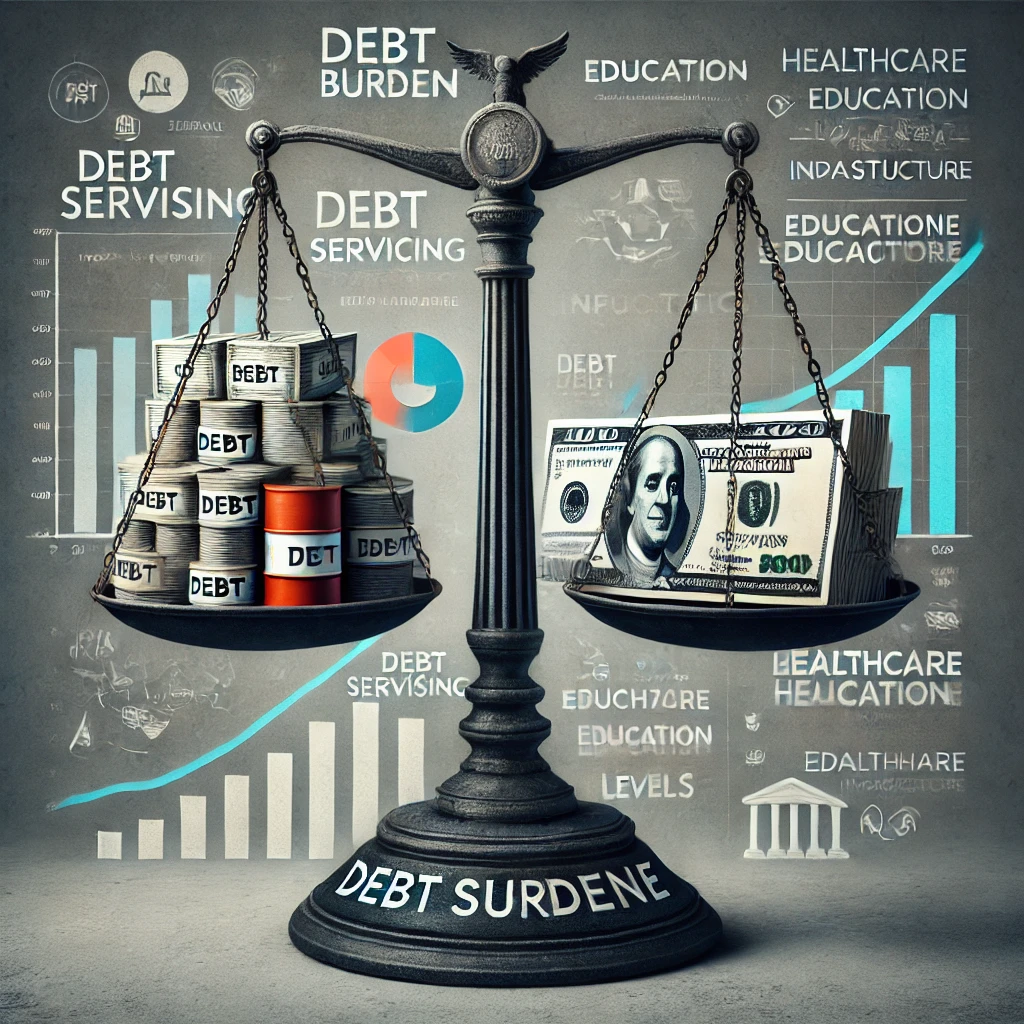
A new policy brief from the United Nations Development Programme (UNDP) warns that the escalating debt crisis in developing nations is reaching levels unseen in over two decades, leading to severe trade-offs in development efforts. Released ahead of the G20 Ministers of Finance and Central Bank Governors meeting in Cape Town, the report underscores the worsening state of debt vulnerability, with debt servicing consuming an increasing share of national revenues, particularly in Least Developed Countries (LDCs).
Alarming Debt Indicators
Currently, 56 developing countries allocate more than 10% of government revenue to interest payments—nearly double the number from a decade ago. Among these, 17 nations exceed the 20% threshold, a level strongly associated with a heightened risk of default. The situation presents a dire challenge to economic stability and development progress, with many countries forced to divert funds from essential public services to meet debt obligations.
"The debt-development trade-offs threaten a lost decade of development progress for many of the world's poorest nations," stated Achim Steiner, UNDP Administrator. "The international community must act now and not wait until the last minute to provide meaningful financial lifelines. A new debt relief initiative is both a financial and political imperative."
The Magnitude of the Crisis
The total external public debt of the 31 poorest countries currently facing or at high risk of debt distress stands at an estimated $205 billion. This amount is significantly lower than the 2021 International Monetary Fund (IMF) Special Drawing Rights (SDR) allocation, which disproportionately benefited wealthier countries. It is also less than a single year of total official development assistance (ODA) from the OECD's Development Assistance Committee.
According to UNDP analysis, inadequate access to effective debt relief mechanisms could lead to long-term solvency crises for many developing nations. In 2023, the total external debt servicing obligations of developing economies reached a record $1.4 trillion. The poorest countries have been hit hardest, with debt servicing costs tripling and interest payments quadrupling over the past decade, totaling an estimated $36 billion.
UNDP's Call for Debt Policy Reforms
With the International Conference on Financing for Development (FfD4) set to take place in Seville, Spain, this June, UNDP is advocating for policymakers to prioritize three key debt policy reforms:
- A More Effective and Orderly Debt Restructuring Framework – Ensuring that all developing countries have access to timely and fair restructuring processes when needed.
- A Systemic Debt Relief Initiative – Providing targeted relief to the poorest nations to break the cycle of underinvestment in development and economic stagnation.
- Reduction of Excessively High Borrowing Costs – Addressing high-interest rates that hinder long-term investments crucial for sustainable growth.
The Role of Global Forums in Addressing Debt Challenges
International forums, such as the G20, play a crucial role in shaping long-term financial solutions to foster sustainable growth and economic resilience. "Critical priorities like debt stress are reaching a tipping point that requires bold, immediate action to create a pathway towards growth and stability for those who need it most," Steiner emphasized.
The worsening debt crisis threatens to reverse years of development progress, making global cooperation on debt relief and financial reforms more urgent than ever. With strategic interventions and coordinated efforts, developing nations can be supported in overcoming their debt burdens and advancing toward sustainable economic growth.


 Google News