

Madagascar's Economic Recovery: Addressing Productivity Challenges for Sustainable Growth
Recent survey insights reveal critical challenges at the firm level, necessitating strategic interventions to enhance business efficiency and competitiveness.
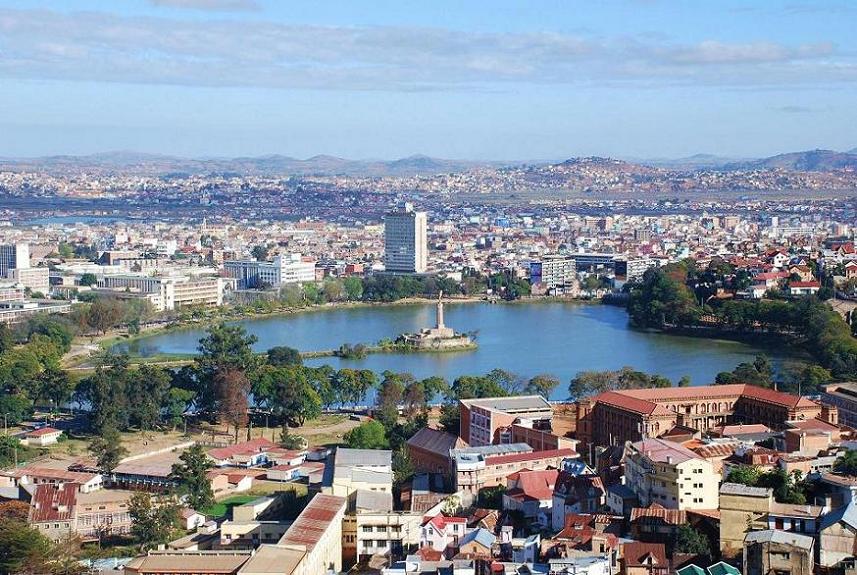
- Country:
- Madagascar
Madagascar's economy is on a recovery path, yet growth remains insufficient and uneven to significantly uplift living standards. In 2024, economic growth was recorded at 4.2 percent, with projections indicating a gradual increase to an average of 4.7 percent over 2025–2027. This growth is expected to be driven primarily by the textiles, mining, and services sectors, contingent upon the sustained implementation of structural reforms designed to enhance market competition and improve the investment climate.
The Productivity Challenge
The latest edition of the Madagascar Economic Update: Bridging the Productivity Divide underscores the urgent need to boost productivity to achieve sustainable and inclusive economic growth and job creation. Recent survey insights reveal critical challenges at the firm level, necessitating strategic interventions to enhance business efficiency and competitiveness.
According to Atou Seck, World Bank Country Manager for Madagascar, "Boosting productivity drives economic growth, creates better-paying jobs, and reduces poverty. Madagascar has faced low productivity for a long time, impacting its development. To improve productivity, reliable energy, efficient infrastructure, and connectivity are much needed. The World Bank supports these strategic areas and remains committed to working with the government, private sector, and people of Madagascar to achieve the necessary changes."
Productivity Trends and Key Constraints
Over the past two decades, productivity in Madagascar has been in decline, making it one of the lowest in the world. On average, a worker in Madagascar is three times less productive than their Sub-Saharan African counterparts, with GDP per worker declining by an average rate of 0.2 percent per year.
A stark disparity exists between firms; the most productive 25 percent can afford to pay salaries up to seven times higher than the least productive firms. Key barriers to productivity growth include limited access to finance, unreliable public services such as electricity and water, poor transport infrastructure, low human capital, and political uncertainties. These factors collectively hinder private sector growth and economic expansion.
Critical Reforms for Sustainable Growth
"To achieve high and sustained growth, authorities must accelerate critical structural reforms in key sectors such as energy, digital, and mining. These reforms are essential to unlocking productivity potential, fostering innovation, and creating high-quality jobs. Strengthening governance and enhancing macro-fiscal resilience will further support these efforts, contributing to long-term development and improving the livelihoods of the Malagasy people," stated Sagita Muco, Senior Private Sector Specialist, and Fanjaniaina Prisca Mamitiana, Private Sector Development Specialist of the World Bank in Madagascar.
Strategic Interventions and Policy Recommendations
Enhancing economic growth requires targeted efforts to improve firm productivity, efficiently allocate resources to high-potential enterprises, and facilitate new business entries. Addressing these issues involves:
- Increasing access to finance for businesses, particularly small and medium-sized enterprises (SMEs).
- Promoting entrepreneurship through policy incentives and capacity-building initiatives.
- Upgrading infrastructure, including roads, ports, and telecommunications, to improve connectivity.
- Investing in workforce training and education to enhance human capital.
- Simplifying regulatory and administrative procedures to foster a more business-friendly environment.
- Expanding digital solutions to enhance competition and economic inclusion.
- Strengthening governance and fiscal policies to create a stable economic environment.
The report further emphasizes the need for decisive reforms to ensure the availability of reliable and affordable electricity, implement digital solutions for financial inclusion, expand economic opportunities for vulnerable populations, and enhance fiscal resilience through improved domestic revenue mobilization.
The Path Forward
Madagascar's path to sustainable and inclusive growth hinges on productivity-enhancing reforms and strategic investments in key sectors. By addressing these challenges, the country can unlock its economic potential, foster innovation, create better employment opportunities, and improve the overall quality of life for its citizens. As global and local stakeholders collaborate, Madagascar has the opportunity to shift towards a more resilient and prosperous economic future.


 Google News