

Eurozone Government Bonds: A Steepening Yield Curve
The German yield curve is heading for a fourth consecutive week of steepening as investors focus on expansionary fiscal plans. Long-dated yields are rising, while short-term yields remain steady. Influenced by U.S. Treasuries, German bond yields reflect concerns over Federal Reserve policies and potential inflation. Italian and German spreads show market insights.
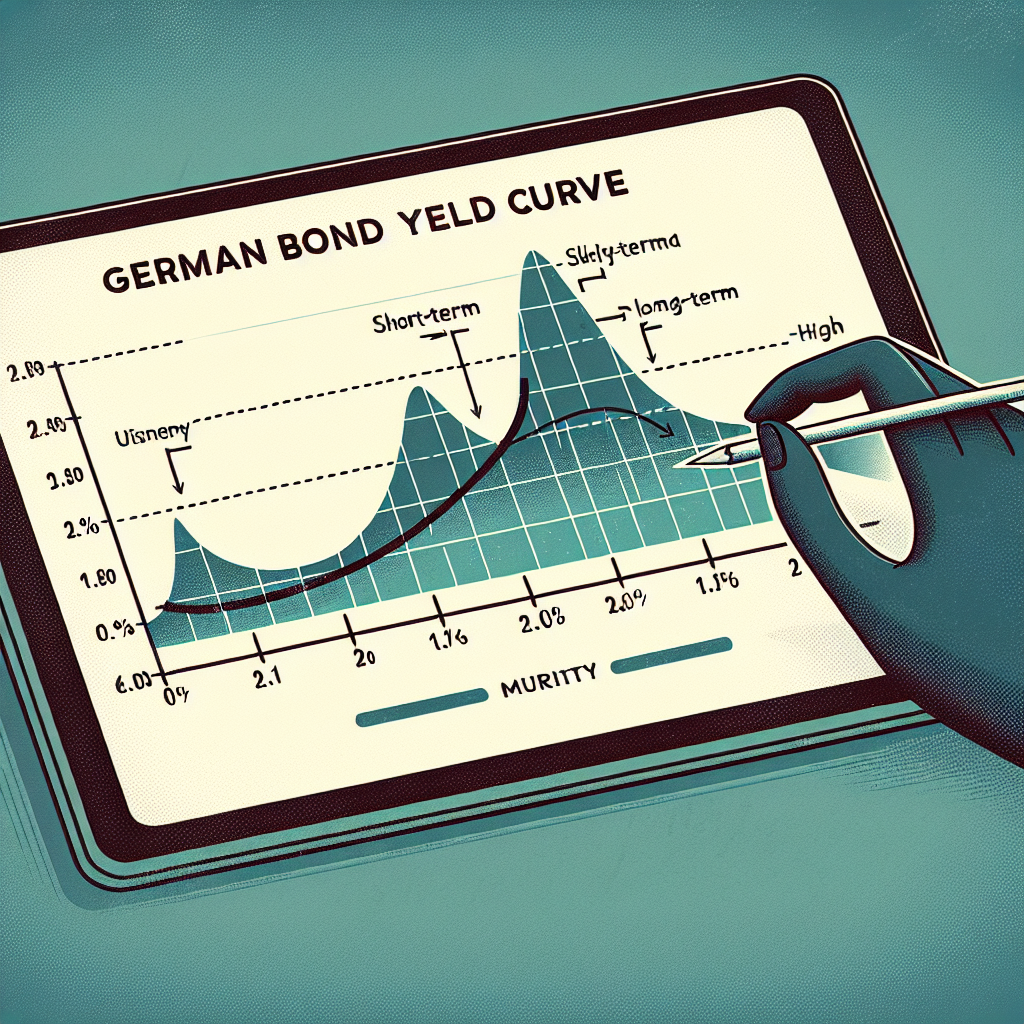
The German yield curve has entered its fourth consecutive week of steepening, reflecting a shift in investor focus towards expansionary fiscal plans. This dynamic is characterized by a rise in long-dated yields while short-dated ones remain stable.
In the euro area, government bond markets have taken cues from U.S. Treasuries, where 10-year yields increased amid concerns regarding the Federal Reserve's independence and inflation resurgence driven by tariffs. Specifically, Germany's 2-year government bond yields, which are closely tied to European Central Bank policy rate expectations, climbed to 1.85% on Friday, remaining consistent with early June levels.
Germany's 10-year government bond yield, serving as the euro area's benchmark, saw an increase to 2.70%, up from approximately 2.48% in June. Meanwhile, Italy's 10-year government bond yields rose to 3.58%, and the spread between Italian BTPs and German Bunds remained a key indicator of market sentiment.


 Google News