

India's Strategic Role in the Rare Earth Supply Chain
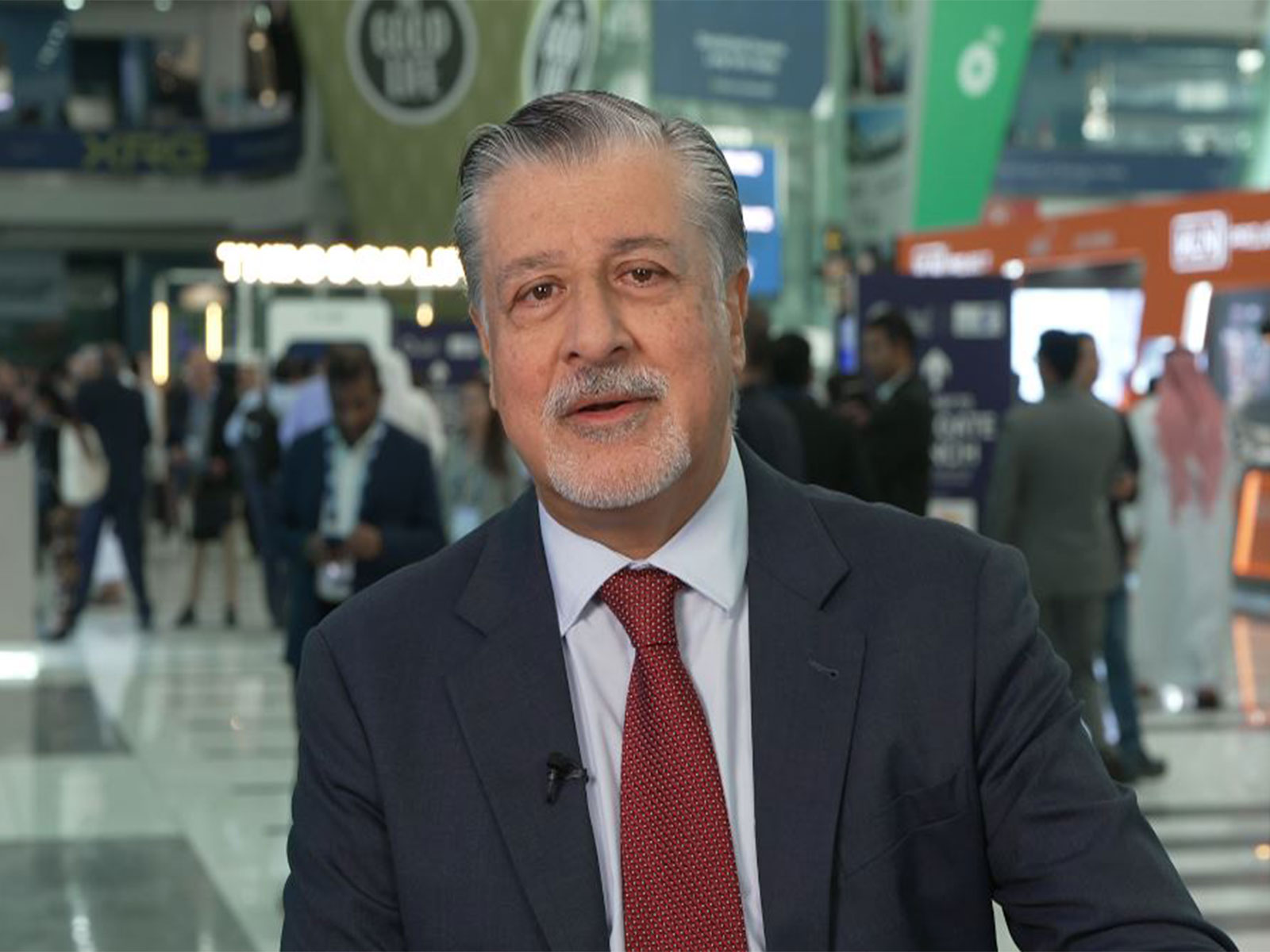
Adnan Amin, Chairman of the World Energy Council, highlights India's potential in the rare earth supply chain through refining and processing capabilities. As demand surges globally, Amin emphasizes developing industrial capacity and leveraging AI for the energy sector, drawing parallels to China's advancements in this field.
- Country:
- United Arab Emirates
India stands on the brink of becoming a significant player in the global rare earth supply chain, according to Adnan Amin, Chairman of the World Energy Council. With vast access to these minerals, India could improve its position by enhancing its refining and processing infrastructure, Amin noted.
In an exclusive ANI interview, Amin remarked that rare earth minerals are not as scarce as commonly believed. Many countries, including India, possess these resources; however, the real challenge lies in building capacities for processing them into usable forms, crucial for energy transitions. He cites China’s strategic investments over the past 25 years as a model for establishing market dominance.
Amin addressed the geopolitical tensions affecting mineral trade, suggesting India's potential role in diversifying supply chains. He urged India to focus on creating a robust ecosystem for processing rare earth minerals, akin to its strides in renewable energies.
The World Energy Council Chairman also emphasized AI’s transformative potential in the energy sector, likening its impact to the mobile telephony revolution. Amin noted that countries like India, with advancements in AI, could leverage this technology to optimize and innovate their energy infrastructure.
ALSO READ
-
Japanese Lawmakers Visit India to See Worker Protection and Skills Projects in Action
-
Indian Unions Push for Fair Recruitment and Rights for Care Workers in Germany
-
Europe’s Rare Earth Wake-Up Call: Turning Years of Research Into Factories That Last
-
Cleaner Kitchens, Polluted Skies: Hidden Health Cost of India’s Electricity Boom
-
Japan-Backed ILO Projects Help 23,000 Workers Gain Rights and Fight Child Labour


 Google News