

AfDF Grants $14.64m to Boost Climate Resilience and Food Security in the Sahel
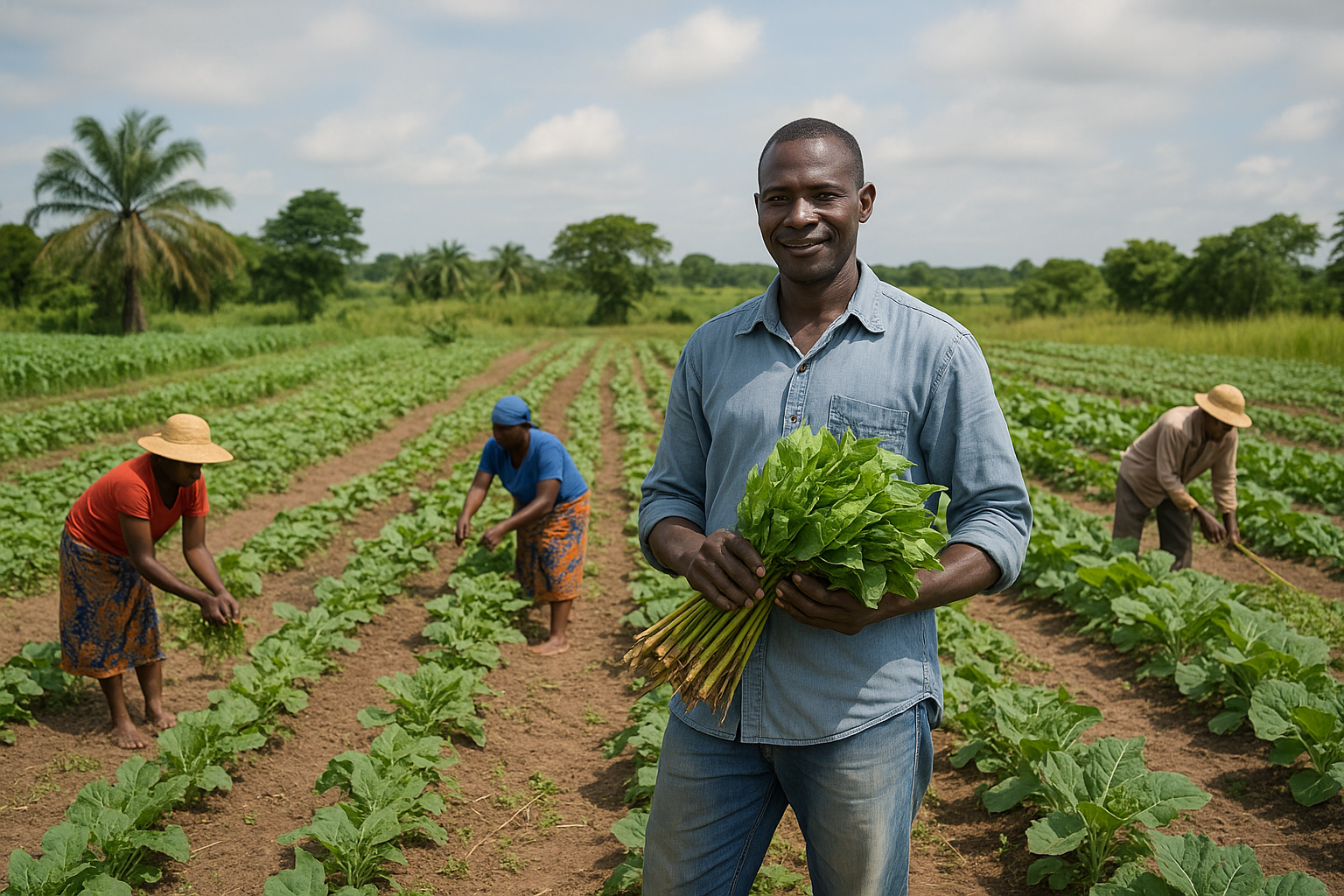
The climate-smart village approach has already shown strong results in earlier phases of P2RS, helping farmers increase yields, reduce losses during drought seasons, and adopt more resilient practices.
- Country:
- Ivory Coast
The African Development Fund (AfDF) has approved a US$14.64 million grant to reinforce efforts to strengthen food and nutrition security across the Sahel. The grant, endorsed on 21 November 2025 in Abidjan, funds Project 2 of the Programme to Strengthen Resilience to Food and Nutrition Insecurity in the Sahel (P2-P2RS)—a flagship regional initiative focused on helping vulnerable communities withstand increasingly severe climate shocks.
The new financing comes through the Climate Action Window, a climate-dedicated funding mechanism under the AfDF that supports climate adaptation, resilience-building, and low-carbon development for Africa's most vulnerable countries.
A Dual Approach to Strengthening Resilience
The approved funding supports a strategic two-pronged approach:
-
Scaling up the climate-smart villages model
-
Improving access to climate information for better decision-making
These interventions aim to help communities respond proactively to climate risks such as droughts, floods, extreme heat, and rainfall variability—phenomena that have intensified across the Sahel in recent years.
Building Climate-Smart Villages Across the Sahel
The project will support the creation of 60 climate-smart villages across 30 municipalities in multiple Sahelian countries. These villages integrate sustainable farming practices, adaptive technologies, and hydro-agricultural infrastructure to promote:
-
Higher agricultural productivity
-
Improved water management
-
Soil conservation
-
Environmentally sustainable land use
-
Diversified livelihoods
The climate-smart village approach has already shown strong results in earlier phases of P2RS, helping farmers increase yields, reduce losses during drought seasons, and adopt more resilient practices.
Strengthening Regional Seed Systems for Climate Adaptation
A major component of the new project focuses on strengthening the regional seed system to ensure farmers have access to climate-resilient, high-yielding seed varieties.
Planned activities include:
-
Updating the Regional Catalogue of Species and Varieties to reflect improved climate-resilient crops
-
Establishing a business-to-business digital networking portal for seed producers, distributors, and researchers
-
Boosting seed multiplication capacity within national agricultural research systems
-
Supporting seed companies to expand supply to climate-smart villages
-
Training women and youth to participate in seed production and distribution
These efforts are expected to reduce climate-related losses, improve harvest profitability, and support long-term food security.
Empowering Women and Youth
Women and young people remain among the most vulnerable groups in the Sahel, often bearing the brunt of climate-related food insecurity. The project includes targeted empowerment activities such as:
-
Skills development programs
-
Climate-smart agriculture training
-
Support for microenterprise creation
-
Improved access to digital tools and extension services
By strengthening their economic participation, the project aims to build more inclusive and resilient rural economies.
Transforming Climate Data Systems for Better Decision-Making
Accurate climate data is essential for anticipating risks, planning agricultural activities, and strengthening early-warning systems. The AfDF grant will support substantial upgrades to regional climate data infrastructure, including:
-
Expanding climate observation networks
-
Improving real-time data availability
-
Establishing an integrated digital platform for data management and dissemination
-
Creating a regional system for tracking loss and damage
-
Standardising reporting frameworks across countries
-
Developing a multi-scale digital platform for centralised information sharing
These tools will assist governments, farmers, and disaster-response agencies in better anticipating extreme events and reducing their impacts.
Supporting a Region Under Increasing Climate Stress
The Sahel is one of the world's most climate-vulnerable regions. Rising temperatures, erratic rainfall, desertification, and recurring droughts have undermined agricultural productivity and food supply stability for millions.
The P2-P2RS initiative—backed by the African Development Bank Group, Sahelian governments, and international partners—aims to reverse these trends by investing in sustainable agriculture, improved water systems, and local resilience strategies.
A Pathway Toward More Resilient Communities
The AfDF's latest funding will help scale up successful strategies and deepen regional cooperation, enabling countries to withstand escalating climate shocks while safeguarding food security.
By investing in climate-smart agriculture, robust seed systems, and advanced data monitoring, the programme aims to support long-term resilience and improve livelihoods for rural populations across the Sahel.
ALSO READ
-
African Development Bank Steps Up Push to Deliver Roads, Airport and Services in CAR
-
Benin Unlocks €500 Million Development Push as Global Banks Back Jobs, Energy and Growth
-
Benin Secures €500 Million Financing to Expand Public Services and Create More Jobs
-
Sudan’s BOOST Project Targets 232,000 Farmers to Rebuild Food Security
-
Eritrea Secures $9.82 M Grant to Bring Water Closer and Strengthen Rural WASH


 Google News