

SARB Finds No Immediate Need for Retail Central Bank Digital Currency
A retail CBDC is essentially a digital version of cash — a virtual banknote denominated in the national currency that can be used by consumers and businesses for everyday transactions.
- Country:
- South Africa
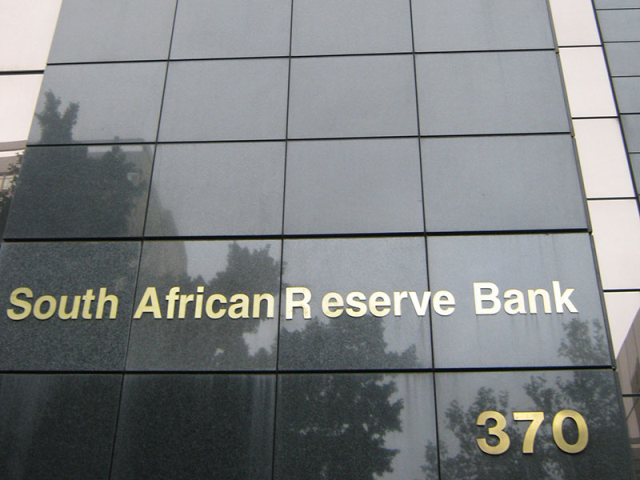
A comprehensive position paper released by the South African Reserve Bank (SARB) has concluded that South Africa does not currently require the implementation of a retail central bank digital currency (CBDC), despite the technology being technically feasible and aligned with regulatory objectives. The position paper and its accompanying background note were published on the SARB website on Thursday, marking a significant step in the country's ongoing digital currency research.
What a Retail CBDC Is — and Why It Matters
A retail CBDC is essentially a digital version of cash — a virtual banknote denominated in the national currency that can be used by consumers and businesses for everyday transactions. Unlike a wholesale CBDC, which is used between financial institutions to settle financial market trades, a retail CBDC is designed for public use.
SARB noted that a retail CBDC would complement existing physical cash and could offer benefits such as:
-
Increased payment efficiency
-
Broader financial inclusion
-
A secure digital alternative backed by the central bank
-
Enhancements to innovation in financial services
Technical Feasibility but No Urgent Case for Deployment
According to the SARB, research and experimentation conducted over recent years indicate that a retail CBDC would be technically viable in South Africa. However, the analysis did not identify a compelling immediate need for such a digital currency.
"The SARB's research and experimentation found that a retail CBDC is technically feasible… however, the analysis does not reveal a strong immediate need for such an instrument," the Bank stated.
Instead, the Reserve Bank has prioritised ongoing modernisation initiatives within the national payment system, including:
-
The Payment Ecosystem Modernisation Programme
-
Expanded participation of non-bank entities
-
QR code standardisation
-
Open banking and open finance frameworks
-
Enhanced interoperability across digital payment platforms
These initiatives, SARB argues, are currently more urgent and impactful in improving payment efficiency and financial inclusion.
South Africa's Digital Payment Growth and Persistent Cash Use
The position paper highlights the rapid growth of digital payments in South Africa, driven by innovations from banks, fintech companies, and regulatory support from public sector institutions. This growth has contributed positively to financial inclusion.
However, SARB also recognises that cash remains vital, particularly for underserved communities facing obstacles such as:
-
Limited digital infrastructure
-
High transaction costs
-
Electricity and connectivity challenges
This duality underscores the need for a balanced system where both digital and physical money remain accessible and secure.
Ensuring Public Access to Central Bank Money
The Reserve Bank notes that, in the long term, a retail CBDC may still become necessary to safeguard public access to central bank-issued money, especially as global economies increasingly digitise.
Central bank money — whether in banknotes or digital form — remains the highest-quality and lowest-risk form of currency. Its availability underpins public confidence in the financial system and ensures convertibility between public and private forms of money.
SARB Shifts Focus Toward Wholesale CBDC Innovation
While retail CBDC development is not an immediate priority, SARB confirmed that the next phase of its digital currency exploration will focus on wholesale CBDCs. This reflects growing international momentum around wholesale digital currencies, which are seen as catalysts for:
-
Faster and more resilient cross-border payments
-
Increased efficiency in financial markets
-
Enhanced settlement security
-
Reduced systemic risk
SARB will release further details on its wholesale CBDC roadmap in upcoming communications.
Modernisation Efforts Continue as CBDC Research Remains Active
SARB emphasised that its decision should not be viewed as a rejection of retail CBDCs but rather a recognition that current priorities lie elsewhere.
"Continued commitment and resources should be dedicated to realising the opportunities of existing payment modernisation initiatives," the Bank said.
These include strengthening the PayShap instant payment system, improving interoperability across mobile wallets and bank platforms, and enabling non-banks to issue electronic money and participate directly in the national payment system (NPS).
The Reserve Bank confirmed that it will continue to closely monitor CBDC developments globally and remain ready to respond if future conditions justify implementation.
Accessing the SARB Position Paper
The full position paper and background note are available on the SARB website at: https://www.resbank.co.za/en/home/publications/publication-detail-pages/Fintech/sarb-position-paper-on-the-necessity-of-a-retail-cbdc-in-south-africa


 Google News