

EIB Global Lends €150m to Upgrade Serbia’s Road Network and Boost Connectivity
Minister of Construction, Transport and Infrastructure Aleksandra Sofronijević said the project addresses Serbia’s pressing infrastructure needs, particularly at the regional and local level.
- Country:
- Serbia
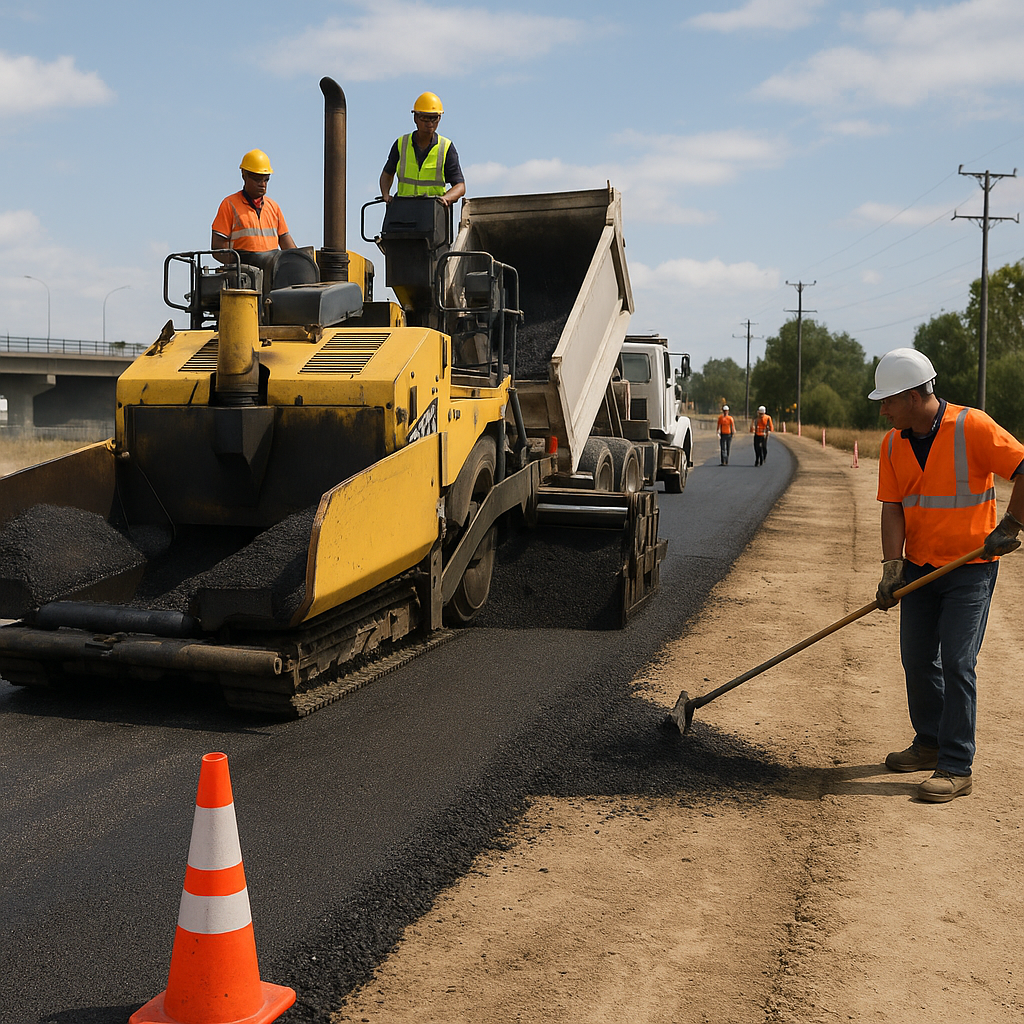
The European Investment Bank (EIB Global) has approved a €150 million loan to support the reconstruction and upgrade of approximately 540 kilometres of local and national roads across Serbia, strengthening road safety, climate resilience and national connectivity.
The project aims to safeguard and modernise Serbia's existing road infrastructure while reducing environmental impact, improving travel times and aligning the country's core road network more closely with European Union standards. By enhancing accessibility and connectivity nationwide, the investment is expected to facilitate the movement of passengers and freight and support long-term, sustainable economic growth.
Safer, Smarter and More Climate-Resilient Roads
According to the EIB, the project will focus on improving road safety, removing transport bottlenecks and building resilience to climate change, while ensuring that infrastructure upgrades minimise environmental impact.
"The project supports smart, sustainable and safe transport, removes bottlenecks, and integrates Serbia's network into regional and EU corridors," said Damien Sorrell, EIB Head of the Regional Hub for the Western Balkans.
"These improvements will boost socioeconomic development by increasing accessibility, facilitating trade, and supporting businesses nationwide," he added.
The initiative builds on the EIB Global-financed Road Rehabilitation and Safety Programme, which has already enabled the modernisation of more than 900 kilometres of Serbia's national road network.
Improved Safety for Pedestrians and Cyclists
In addition to upgrading carriageways, the project includes targeted measures to improve safety and accessibility for pedestrians and cyclists, particularly on local roads. Planned interventions include:
-
Upgraded pedestrian crossings;
-
Protective barriers near schools;
-
Improved road signage;
-
Construction of sidewalks; and
-
Development of dedicated cycling lanes.
These measures are aimed at reducing accidents and making local transport infrastructure safer and more inclusive for all road users.
Supporting Serbia's Economic Development Strategy
Serbian First Deputy Prime Minister and Minister of Finance Siniša Mali said the project complements the government's broader infrastructure development strategy.
"We continue to build and improve transportation infrastructure in the Republic of Serbia," Mali said."In addition to highways and express roads—ten of which are currently under construction—we are also upgrading local road infrastructure, because we want safer and more modern roads in all parts of Serbia, in every town."
He added that investment in transport infrastructure has a direct positive impact on economic activity, enabling faster growth, attracting investors, creating new industrial zones and strengthening Serbia's position as an attractive investment destination.
EU Support and Technical Assistance
As part of the EU's Economic and Investment Plan for the Western Balkans, the project will benefit from a €1.4 million grant under EIB Global's Economic Resilience Initiative, alongside technical assistance from the EU Delegation to support project preparation and implementation.
The project has also received support from EIB Advisory through the JASPERS programme, which assessed the climate resilience of Serbia's road network and helped identify priority sections for upgrading.
"This project provides a significant upgrade to Serbia's national and local road infrastructure, with a strong focus on unlocking regional socioeconomic potential and addressing the needs of citizens and businesses," said EU Ambassador to Serbia Andreas von Beckerath.
"Supported by EU-funded technical assistance, it delivers safer, more resilient and smarter roads aligned with European standards, benefiting communities and the economy across the country," he said.
Addressing Regional and Local Development Needs
Minister of Construction, Transport and Infrastructure Aleksandra Sofronijević said the project addresses Serbia's pressing infrastructure needs, particularly at the regional and local level.
"The actual need for rehabilitation of state and local roads ranges from 500 to 1,000 kilometres, and this project will help achieve that goal," she said.
She added that a well-developed road network is essential for regional development, contributing to greater population mobility, higher employment, faster movement of goods and passengers, increased attractiveness for business investment and the stimulation of tourism.
EIB officials said the project demonstrates how targeted infrastructure financing can support safer transport, climate resilience and inclusive economic development while bringing Serbia's transport network closer to EU standards.
ALSO READ
-
Colombia Bets on Vaccine Manufacturing to Build Health Security and Cut Import Dependence
-
Colombia Gets €15 Million Boost to Build Vaccine Capacity and Cut Import Dependence
-
France Plans Housing Hub to Unlock European Funding and Technical Expertise
-
North Macedonia Defines Green Investment and Unlocks Finance With EIB Support
-
EIB Backs Reactive Technologies to Cut Outage Risks and Boost Clean Power


 Google News