

South Sudan Needs $13bn Climate Adaptation Push by 2050: New CCDR Warns
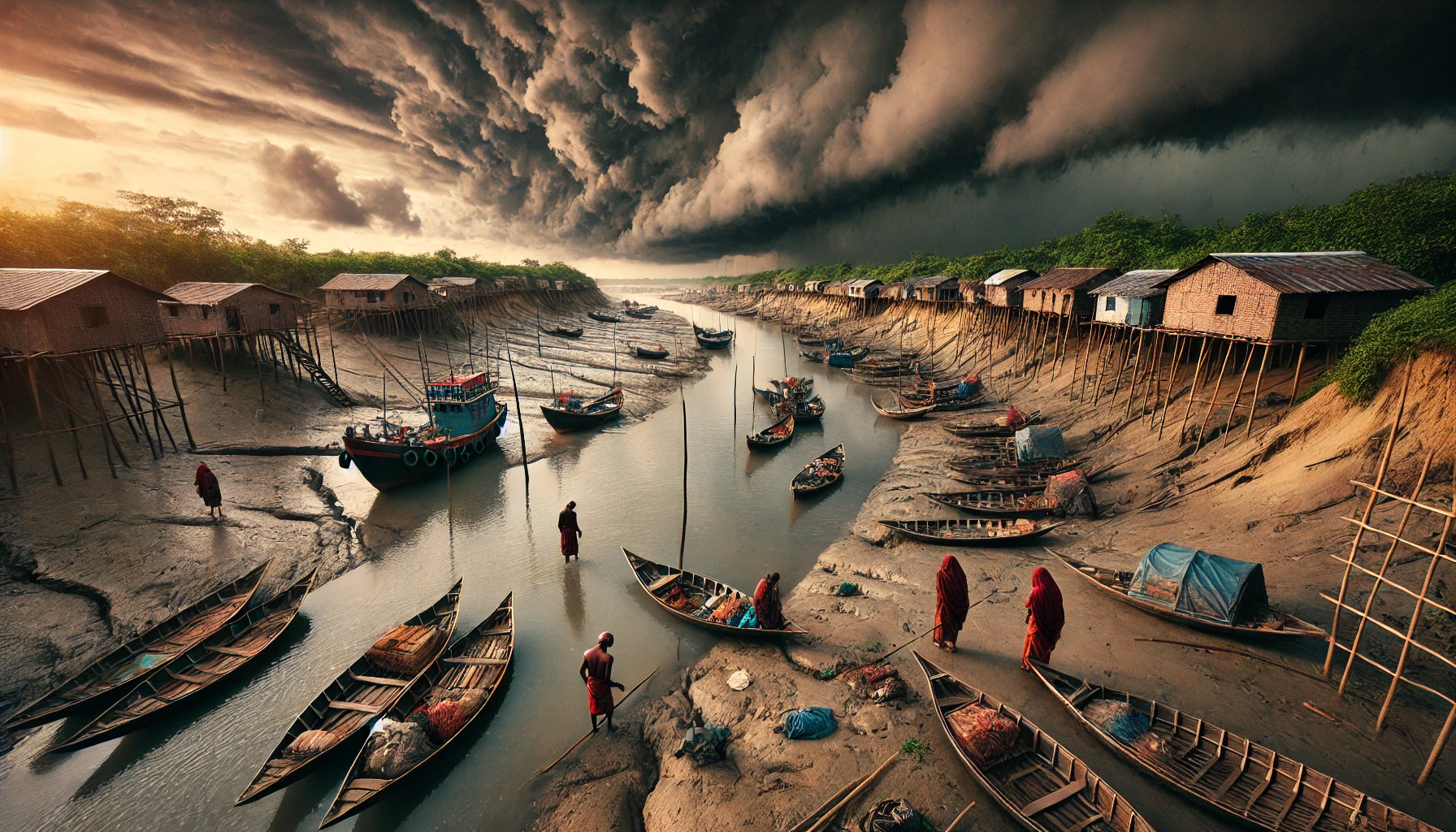
The CCDR projects that in severe years, extreme flooding can cover up to one-quarter of South Sudan’s territory, cutting communities off from roads, markets, schools, and health services.
- Country:
- South Sudan
South Sudan will require more than $13 billion in climate adaptation investments by 2050 to confront worsening floods, declining agricultural productivity, and growing threats to livelihoods, according to the South Sudan Country Climate Development Report (CCDR) 2026.
The report delivers a stark warning: extreme flooding has become the country's "new normal," while climate-driven losses in crops, livestock, and labour productivity could undermine food security and economic stability for decades to come.
Flooding Now a National Emergency
The CCDR projects that in severe years, extreme flooding can cover up to one-quarter of South Sudan's territory, cutting communities off from roads, markets, schools, and health services.
Floodwaters are damaging homes, farmland, and infrastructure, intensifying displacement and contributing to widespread hunger in one of the world's most fragile contexts.
With climate shocks increasing in frequency and intensity, the report stresses that flood resilience is no longer optional — it is a national development priority.
Climate Change Threatens Food and Economic Security
Beyond floods, the report highlights alarming projections for South Sudan's agricultural and rural economy:
-
Substantial declines in labour productivity
-
Reduced livestock revenues
-
Falling crop yields under hotter conditions
Sorghum, a staple crop for millions, is projected to see an 8% reduction in yields by 2050, further worsening food insecurity and rural poverty.
These impacts could deepen inequality, disrupt livelihoods, and slow national growth unless urgent investments are made.
Natural Wealth as an Engine for Climate-Resilient Growth
Despite the risks, the CCDR emphasizes that South Sudan holds significant untapped natural advantages.
Its fertile land, vast water systems, and renewable energy potential could become powerful drivers of inclusive, climate-informed development.
The report argues that climate action must be integrated into growth strategies — turning resilience investments into opportunities for jobs, services, and long-term stability.
"Inclusive, climate-informed growth is a key pathway to greater resilience for South Sudan," the report notes.
Five Innovation Priorities for Building Resilience
The CCDR identifies five urgent priorities to address South Sudan's escalating climate challenges:
1. Strengthen Flood Management Systems
Invest in early warning systems, community-led preparedness, and rehabilitation of critical infrastructure to reduce flood impacts and save lives.
2. Climate-Resilient Agriculture and Livestock
Support improved seeds, sustainable grazing systems, and expanded access to water to protect farmers and pastoralists from climate shocks.
3. Scale Up Off-Grid Renewable Energy
Expand decentralized clean energy solutions essential for health care, education, economic diversification, and resilience in remote communities.
4. Accelerate Governance and Public Finance Reforms
Strengthen institutions and public financial management to direct more resources toward climate-smart investments and transparent delivery.
5. Protect and Sustain Natural Capital
Promote responsible use of forests, fisheries, and wildlife to sustain rural livelihoods while expanding green economic opportunities.
A Call for Urgent Investment and Coordinated Action
The CCDR's $13 billion adaptation estimate underscores the scale of resources needed — but also the cost of inaction.
Without accelerated investment, climate impacts could lock South Sudan into deeper cycles of disaster, displacement, and poverty. With coordinated reforms and innovation, however, resilience-building can unlock economic transformation.
The report positions climate adaptation not just as a response to crisis, but as a foundation for a more stable, inclusive, and sustainable future.


 Google News