

Lebanon's Golden Dilemma: Can Untouched Reserves Revive a Crippled Economy?
Lebanon, grappling with economic crisis and inflation, is considering tapping its massive gold reserves to revive the economy and compensate depositors. With $70 billion in banking sector losses and ongoing distrust in authorities, citizens see gold as a shield against financial instability and possible future gain.
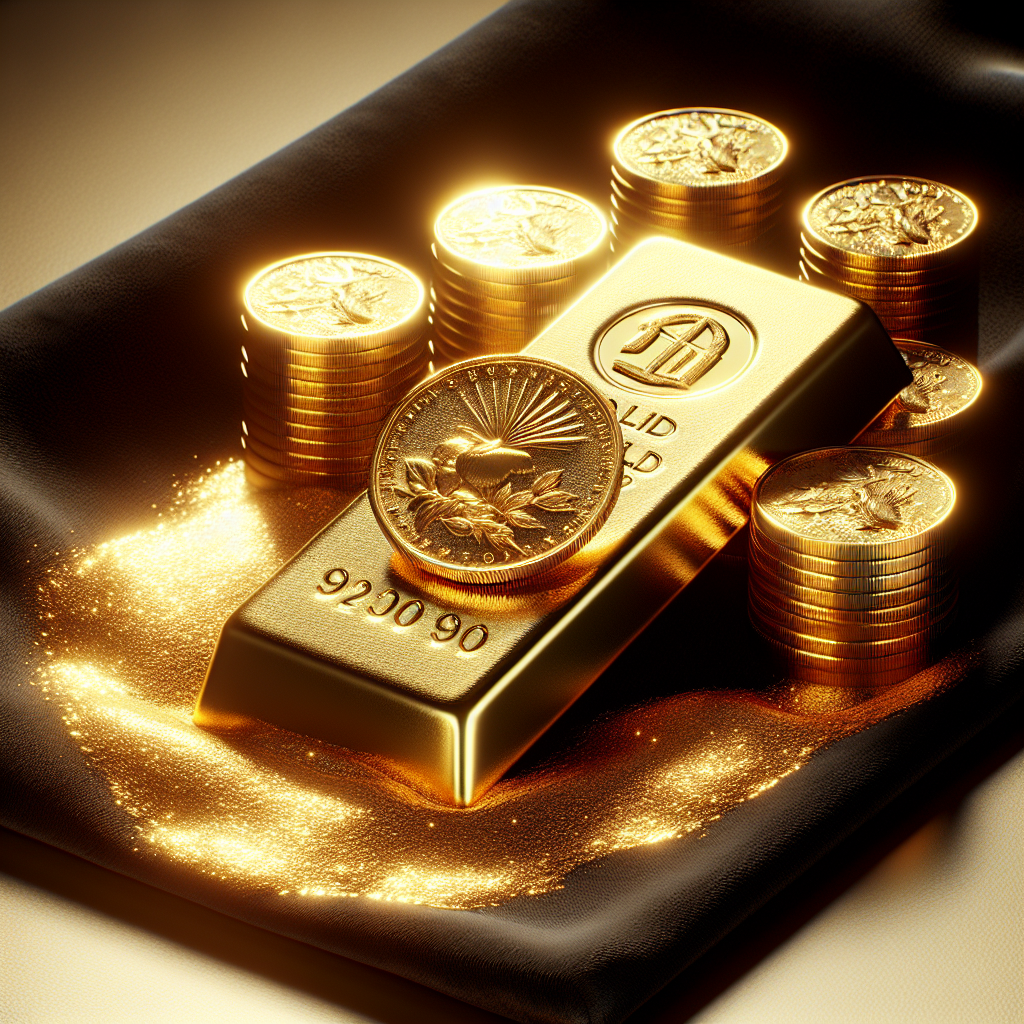
Lebanon, a nation enmeshed in economic turmoil and inflation, is amidst a critical debate: should it utilize its substantial gold reserves to restore its failing economic landscape? The discussion gains urgency as citizens, already weary from a 2019 banking collapse and a $70 billion financial sector loss, are looking to gold as a safeguard for their dwindling assets.
Currently holding 286 tons of gold since the 1960s, second only to Saudi Arabia in the region, Lebanon's government faces a dilemma. While tempted to breach historical precedents and tap into this financial resource, such a move would defy a 1980s law that bans the gold’s sale. Simultaneously, the populace, hit hard by economic mismanagement, gravitates toward gold as a viable solution amidst an inflation-ridden cash economy.
The precious metal, revered as both an adornment and a financial hedge, reflects deeper issues of trust in Lebanese governance. Many Lebanese doubt their leaders’ commitment to reforms, worrying that touching the reserves would risk the nation’s future prosperity. With national elections approaching, the debate remains as entrenched as the gold reserves themselves.


 Google News