

ADB Approves $115.8M for Climate-Resilient Urban Transformation in Bangladesh’s Narayanganj
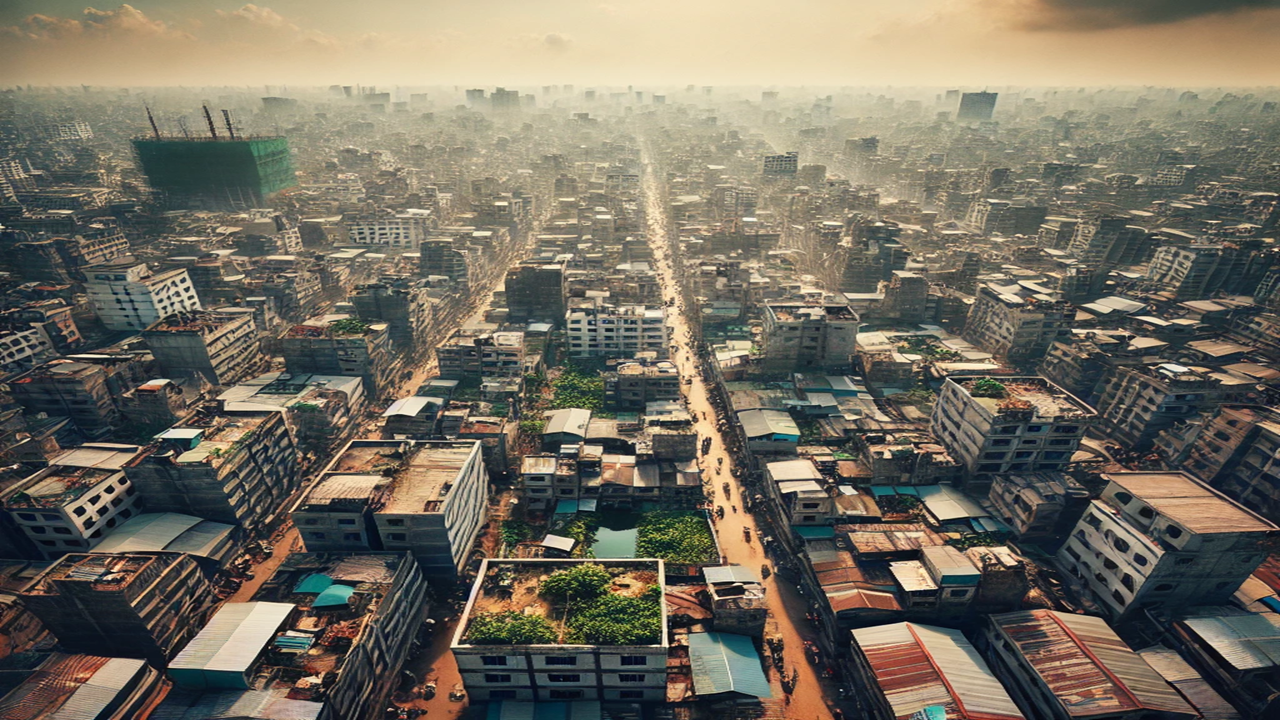
Narayanganj plays a pivotal role in Bangladesh’s economic landscape, particularly as urbanization accelerates and environmental risks intensify.
- Country:
- Bangladesh
In a major push to strengthen sustainable urban infrastructure in Bangladesh, the Asian Development Bank (ADB) has approved a $115.8 million loan for the Narayanganj Green and Resilient Urban Development Project, aimed at transforming one of the country's fastest-growing industrial cities into a model of climate-resilient and inclusive urban development.
The project targets Narayanganj City Corporation (NCC)—a critical urban hub near Dhaka—and is expected to directly benefit at least 400,000 residents, while easing pressure on the capital and improving quality of life in the region.
Strengthening a Key Urban Growth Engine
Narayanganj plays a pivotal role in Bangladesh's economic landscape, particularly as urbanization accelerates and environmental risks intensify.
ADB Country Director for Bangladesh, Hoe Yun Jeong, emphasized the urgency of such investments:
"Narayanganj is central to Bangladesh's urban transformation. As urbanization accelerates and environmental risks intensify, strengthening urban services is both a development and economic imperative."
The initiative aligns with Bangladesh's broader strategy to decongest Dhaka by strengthening secondary cities and improving urban governance.
Major Upgrades to Water Supply Systems
A central pillar of the project is the modernization of Narayanganj's water infrastructure, which currently faces inefficiencies and supply challenges.
Key interventions include:
-
Replacement and expansion of 230 kilometers of water pipelines
-
Installation of metered household connections
-
Introduction of district metered area (DMA) systems to improve monitoring
These measures are expected to reduce nonrevenue water losses to below 20%, significantly improving efficiency and financial sustainability.
Water supply capacity will also see a major boost:
-
Increase from 113 million liters per day to 162 million liters per day
-
Installation of new tube wells
-
Rehabilitation of existing water treatment facilities
Smart Technology for Better Service Delivery
The project will integrate digital technologies to modernize urban service management, including:
-
Supervisory Control and Data Acquisition (SCADA) systems for real-time monitoring
-
Enhanced online billing and revenue collection platforms
These upgrades aim to improve transparency, operational efficiency, and long-term sustainability of services.
Climate Resilience Through Nature-Based Solutions
With Bangladesh highly vulnerable to climate change and flooding, the project places strong emphasis on resilience and environmental sustainability.
Key measures include:
-
Development of 22 kilometers of modern drainage systems
-
Use of nature-based solutions to improve flood management
-
Increased reliance on surface water sources, raising their share to 51%
These interventions are designed to reduce urban flooding, enhance groundwater recharge, and mitigate the impacts of extreme weather events.
Expanding Green and Livable Spaces
Recognizing the importance of urban livability, the project also focuses on expanding green public infrastructure:
-
Development of inclusive parks and green spaces
-
Rehabilitation of playgrounds
-
Measures to reduce urban heat and improve air quality
Such investments are expected to enhance community well-being and support long-term human capital development.
Building Institutional Capacity
Beyond infrastructure, the project aims to strengthen institutional capacity within NCC and local communities, ensuring effective governance and sustainable service delivery.
NCC will be responsible for the operation and maintenance of the upgraded systems, reinforcing local ownership and accountability.
A Model for Sustainable Urban Development
As Bangladesh continues its rapid urban expansion, projects like this signal a shift toward integrated, climate-resilient urban planning that combines infrastructure, technology, and governance reforms.
By improving water security, reducing climate risks, and enhancing livability, the Narayanganj initiative is expected to serve as a replicable model for other cities across South Asia.
ALSO READ
-
AI’s Power Appetite Is Forcing Asia to Rethink the Infrastructure Behind Innovation
-
ADB’s GEL120m Credo Bank Loan Opens Doors for Small Businesses in Georgia
-
Can Tajikistan’s $20.5 Million Pension Reform Bring Informal Workers Into the Safety Net?
-
Thailand’s $750 Million Nature Bond Puts Biodiversity at the Heart of Public Finance
-
ADB’s $1.3 Billion Mongolia Plan Backs Better Healthcare, Schools and Disaster Readiness


 Google News