

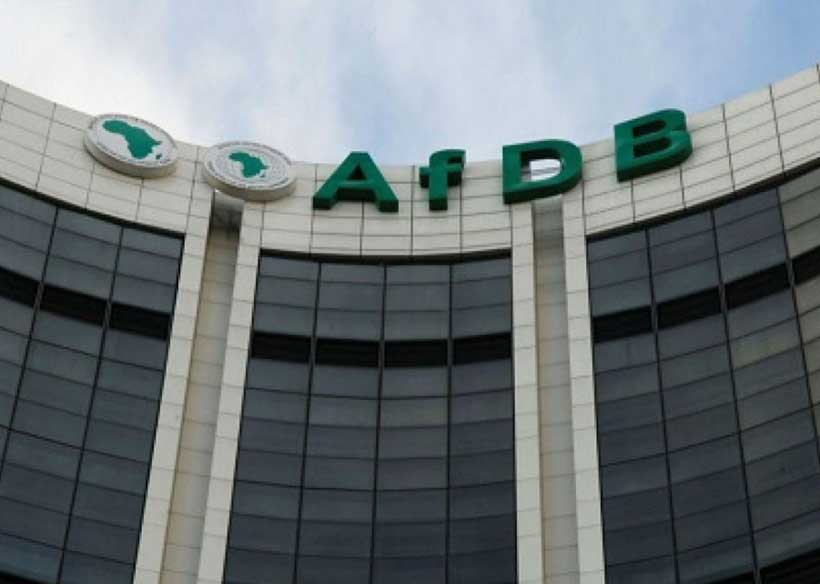
AfDB and CABEI Sign Partnership to Unlock Billions in Development Finance
The agreement represents a rare and strategic cross-regional collaboration between Africa and Central America, two regions with similar development challenges and financing needs.
- Country:
- Ivory Coast
In a significant step toward strengthening global development financing, the African Development Bank (AfDB) and the Central American Bank for Economic Integration (CABEI) have signed a Letter of Intent (LoI) to collaborate on innovative financial strategies aimed at expanding lending capacity and accelerating economic growth across their member regions.
The agreement, signed on the sidelines of the 2026 Spring Meetings of the International Monetary Fund (IMF) and World Bank Group, signals a growing trend among multilateral development banks (MDBs) to adopt more efficient capital frameworks in line with G20 recommendations on capital adequacy and balance sheet optimisation.
Unlocking Capital Through Smarter Financial Engineering
At the core of the partnership is a shared objective: optimize balance sheets to unlock additional financing without requiring new capital injections.
Balance sheet optimisation—an increasingly important tool in development finance—allows MDBs to:
-
Expand lending capacity
-
Improve risk-sharing mechanisms
-
Attract private sector investment
-
Maximise the impact of existing capital
The initiative aligns with global calls for MDBs to play a larger role in addressing pressing challenges such as climate change, infrastructure gaps, and economic inequality, particularly in developing regions.
Toward New Financial Instruments and Innovation
The partnership will focus on developing innovative financial instruments and collaborative mechanisms, including:
-
Exposure Exchange Agreements (EEAs) to diversify and manage risk
-
Joint participation in bond issuances
-
Knowledge-sharing on advanced financing practices
-
Institutional capacity building
These tools are expected to enhance both banks' ability to mobilise resources and support large-scale development projects.
"The signing of this Letter of Intent marks the beginning of a significant strategic partnership," said Gisela Sánchez, Executive President of CABEI. "We see strong potential for mutually beneficial initiatives, including innovative financial structures and deeper market collaboration."
A Cross-Regional Alliance
The agreement represents a rare and strategic cross-regional collaboration between Africa and Central America, two regions with similar development challenges and financing needs.
AfDB Vice President for Finance and Chief Financial Officer Hassatou N'Sele highlighted the alignment between the institutions.
"Given our similar sovereign risk profiles and our positive experience working together in benchmark issuances, we believe this partnership holds strong potential for meaningful impact," she said.
Experts say such partnerships could pave the way for a more interconnected global development finance system, enabling institutions to share risks, pool expertise, and scale up investments.
Driving Growth and Social Impact
Beyond financial innovation, the collaboration aims to deliver tangible development outcomes, including:
-
Increased investment in infrastructure and social services
-
Enhanced economic growth across member countries
-
Improved access to development finance
-
Strengthened institutional capacity
By facilitating knowledge exchange and joint initiatives, the partnership is expected to support sustainable development and social welfare improvements in both regions.
Next Step: Formalizing the Partnership
Both institutions have indicated their intention to move toward a formal Memorandum of Understanding (MoU) in the near future, which would establish a more structured framework for cooperation.
The MoU is expected to outline:
-
Specific joint projects and investment areas
-
Governance and coordination mechanisms
-
Long-term strategic priorities
Part of a Broader Global Push
The agreement reflects a broader international effort to reform and strengthen MDBs, particularly following G20 recommendations urging institutions to:
-
Use capital more efficiently
-
Expand lending without compromising financial stability
-
Leverage private sector participation
With global development financing needs estimated in the trillions of dollars annually, such reforms are seen as critical to closing funding gaps.
A New Era of Collaborative Development Finance
Analysts say the AfDB–CABEI partnership could serve as a model for future collaborations among development banks, particularly as global challenges become more interconnected.
"This is about doing more with what we already have," a finance expert noted. "By working together, development banks can multiply their impact without waiting for new capital."
As the partnership evolves, it is expected to play a key role in shaping how multilateral institutions respond to the growing demand for innovative, scalable, and sustainable financing solutions.
ALSO READ
-
ADB’s $1.3 Billion Mongolia Plan Backs Better Healthcare, Schools and Disaster Readiness
-
IDB Approves $243m to Bring More Reliable Power to Brazil’s Santa Catarina
-
Development Banks Revamp Finance Measures to Show How Private Capital Fuels Growth
-
African Development Bank Steps Up Push to Deliver Roads, Airport and Services in CAR
-
DRC Pushes Electricity Reforms to Protect Household Budgets and Unlock Power Investment


 Google News