

Tariff Tensions: Unintended Impacts on Forced Labour
President Trump's proposed tariffs on countries failing to combat forced labour may not effectively address modern slavery and could exacerbate tensions. The tariffs, criticized by trade partners and human rights groups, focus more on trade penalties than tackling root issues of forced labour in global supply chains.
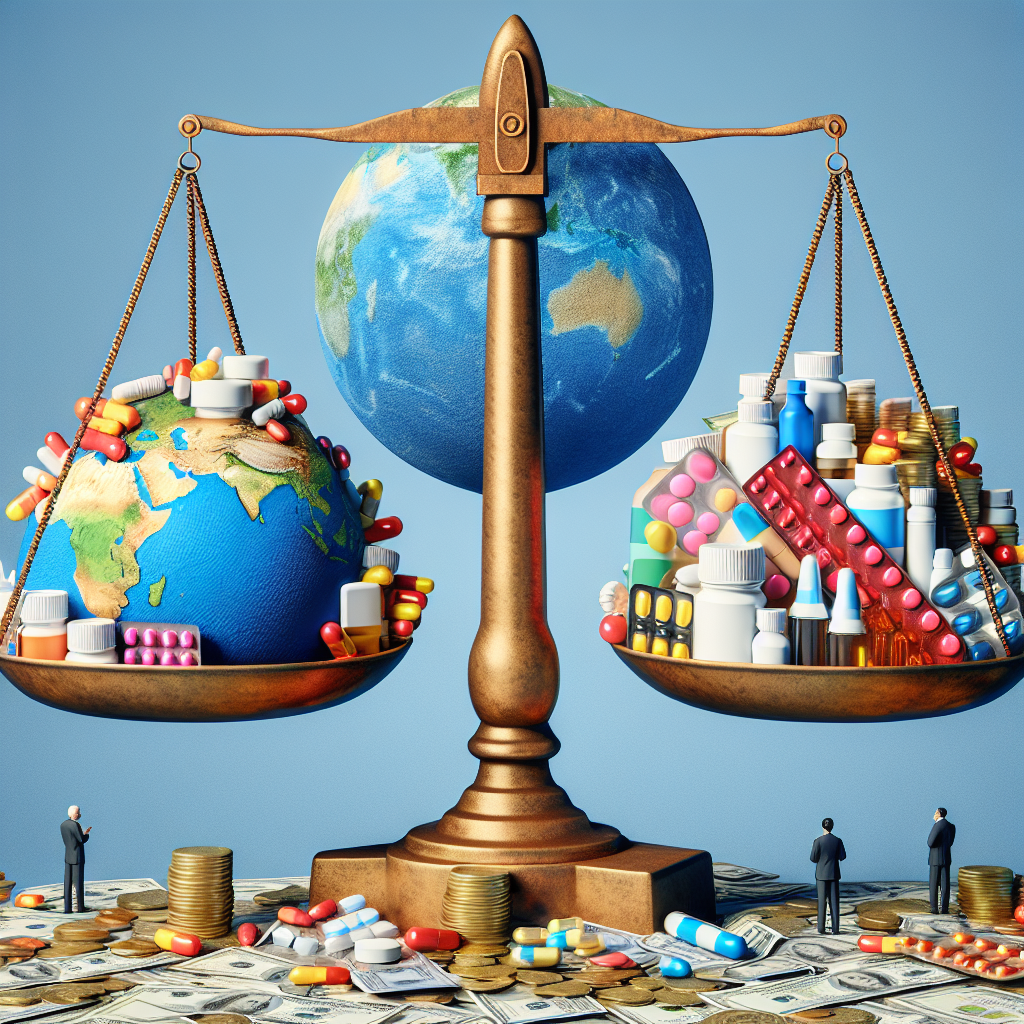
President Donald Trump's recent threat to impose new tariffs on countries accused of not cracking down on forced labour is drawing skepticism from experts and human rights organizations. They argue the measure may do little to combat modern slavery and could, in fact, worsen the situation.
The proposed tariffs, targeting imports from countries allegedly permitting forced labour, stem from a Section 301 investigation initiated by the U.S. Trade Representative's office. While intended to restore emergency tariffs nullified by the U.S. Supreme Court, critics contend the plan is more about trade disputes than addressing human rights.
The initiative has sparked a particularly contentious debate with the European Union, as critics assert the EU's own framework against forced labour may be more comprehensive. Human Rights Watch warns the tariffs could inadvertently increase political resistance in targeted countries, undermining the fight against modern slavery.


 Google News