

Nuclear Science Powers New Solutions for Environmental Challenges
According to the IAEA, 415 nuclear reactors were operating globally as of June 2026, providing 379 gigawatts of electricity-generating capacity and supplying reliable power to millions of people.
As the world marks World Environment Day, the International Atomic Energy Agency (IAEA) is highlighting how nuclear science is helping countries tackle some of the most pressing environmental challenges of the modern era. From clean energy production to water conservation and sustainable agriculture, nuclear technologies are playing an increasingly important role in supporting environmental protection and climate resilience. The agency says these scientific tools are helping nations improve energy security, protect natural resources, strengthen food systems, and reduce pollution while supporting long-term sustainable development goals.
Nuclear energy and recycling innovations gain momentum
Nuclear power remains one of the world's largest sources of low-carbon electricity. According to the IAEA, 415 nuclear reactors were operating globally as of June 2026, providing 379 gigawatts of electricity-generating capacity and supplying reliable power to millions of people. Global interest in nuclear energy has continued to grow since its inclusion in the first Global Stocktake at the 2023 United Nations Climate Change Conference. Support for expanding nuclear energy has also increased, with dozens of countries backing a declaration aimed at tripling global nuclear capacity by 2050.
Beyond energy generation, nuclear technology is also being used to address plastic pollution. Through its NUTEC Plastics initiative, the IAEA supports research into microplastics in marine environments and promotes advanced recycling methods. Radiation technology can convert plastic waste into stronger and more durable materials, while new nuclear techniques are improving the sorting and separation of mixed plastic waste for recycling.
Supporting water security and climate-smart farming
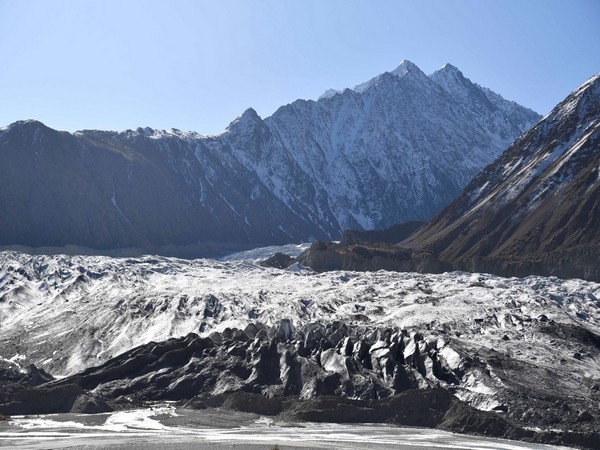
Nuclear science is helping countries better understand and manage water resources as climate change places growing pressure on freshwater supplies. Through isotope hydrology, scientists can trace groundwater sources, monitor water movement, and assess the sustainability of aquifers. In Africa's Sahel region, the IAEA has supported researchers from 13 countries in studying shared groundwater resources. The work helped identify significant reserves of high-quality groundwater while improving regional cooperation on water management. Similar projects are helping monitor glaciers and water supplies in mountainous regions vulnerable to climate change.
Agriculture is another area benefiting from nuclear techniques. The IAEA assists farmers in improving soil fertility, water efficiency, and crop productivity through advanced isotopic methods. In Mali, farmers using these techniques increased cereal yields by 20 percent and legume production by 17 percent while reducing resource waste.
Across parts of Asia, including Bangladesh, Myanmar, and Viet Nam, nuclear-assisted farming practices have helped rice growers use water and fertilisers more efficiently, leading to higher harvests and stronger resilience against climate-related challenges. As environmental pressures continue to grow worldwide, the IAEA says nuclear science offers practical tools that can help countries build cleaner energy systems, protect ecosystems, secure water resources, and strengthen food production for future generations.
ALSO READ
-
Nuclear Science Brings Cancer Care, Safer Food and Better Water Data Across Regions
-
From Cancer Care to Nuclear Careers, IAEA Conference Puts Global Progress in Focus
-
Türkiye Uses Nuclear Science to Protect Citrus Harvests and Tackle Fruit Fly Damage
-
IAEA and IDB Join Forces to Expand Nuclear Energy in Latin America and Caribbean
-
IAEA Joins Forces With Six Industry Partners to Close Global Cancer Care Divide


 Google News