

Dollar in Decline: Impact of Treasury Moves on Currency Markets
The U.S. dollar hit a three-month low as the Treasury Department acted to stabilize a bond market troubled by high long-term yields. The move reassured markets but raised questions over U.S. fiscal policy and inflation. Affected currencies included the euro and yen, while the Fed's future strategies remain under scrutiny.
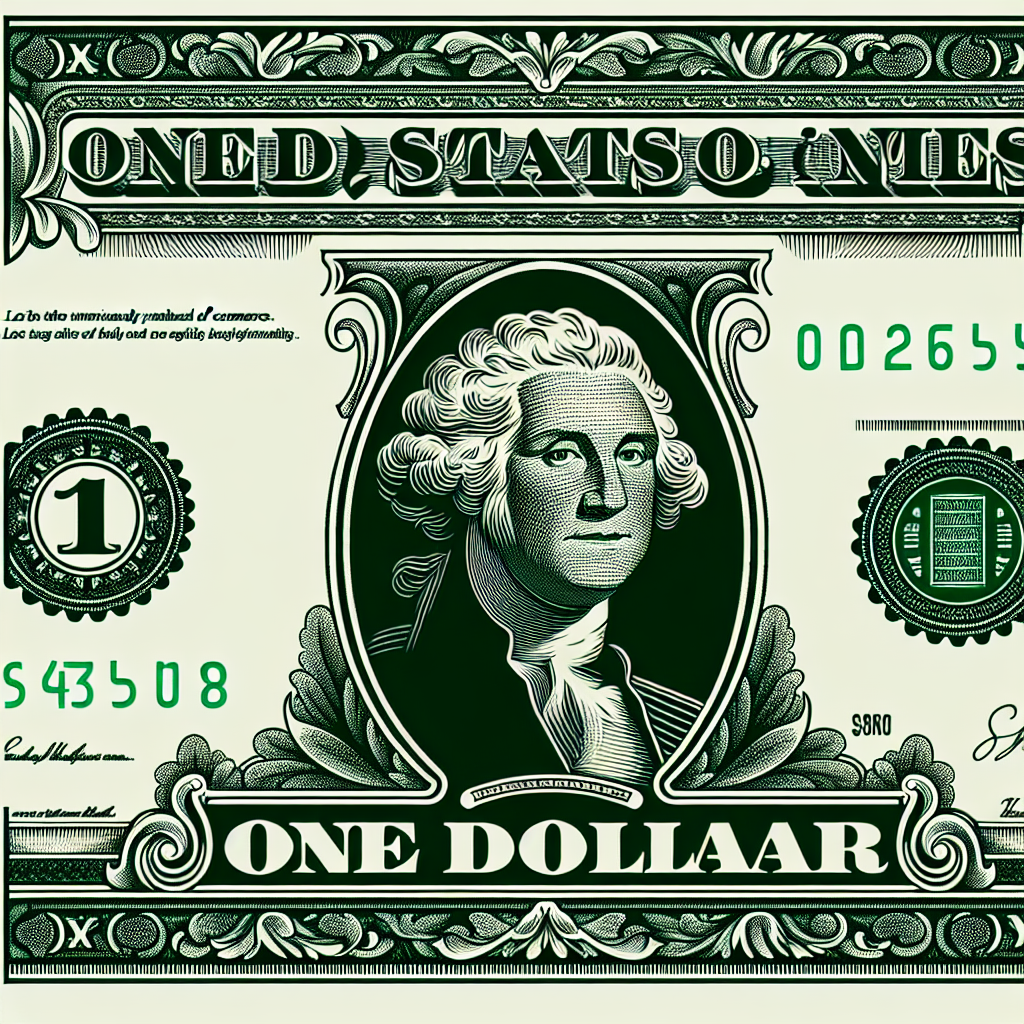
The U.S. dollar retreated to a three-month low on Thursday, following the Treasury Department's efforts to control a bond market experiencing heightened long-term yields. This action lifted investor risk sentiment while diminishing the dollar's strength. The dollar index, which tracks its value against six major currencies, fell to 98.558 — its lowest point since May 14.
With the euro climbing to its highest level since mid-May at $1.1710, ING's global head of markets, Chris Turner, indicated that the Treasury's strategy to buy back longer-dated securities may ease fears of market disruption. This market intervention is perceived positively within investment circles and has potential negative implications for the dollar.
Globally, investors faced a bond market sell-off amid worries about rising government debt and persistent high oil prices due to geopolitical tensions involving the U.S, Israel, and Iran. Market focus now shifts to the Fed's policy outlook ahead of next week's Jackson Hole Symposium, where newly appointed chair Kevin Warsh is poised to outline the Fed's stance amid political and economic pressures.


 Google News