

HLPF meeting reiterates mutual benefits of mechanism to ECA and CSOs
The meeting emphasized the need for an open, inclusive and transparent processes towards the institutionalization of the engagement mechanism.
- Country:
- United States
With the meeting of the high-level political forum (HLPF) on sustainable development now underway in New York, Africa is galvanizing its position and speaking with one voice on the need to mobilizing adequate, predictable and additional financial resources to accelerate the implementation of the sustainable development goals in Africa
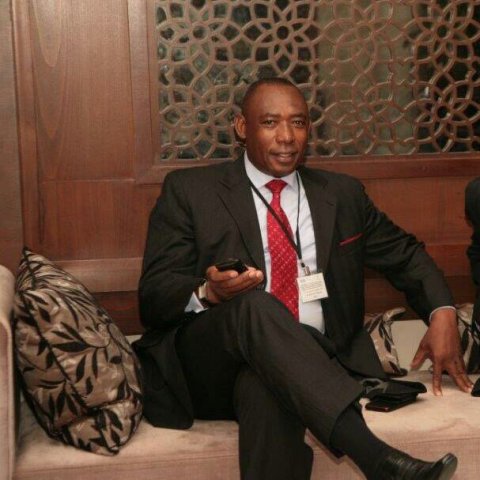
To this end, Mr. Oliver Chinganya, Director of the Economic Commission for Africa's (ECA) African Centre for Statistics, met with Mr. Stephen Chacha, Chair of the Interim Committee of Major Groups, CSOs and other stakeholders' Regional Engagement Mechanism in the work of the Africa Regional Forum on Sustainable Development (ARFSD) to explore important steps towards the institutionalisation of the engagement mechanism to ensure that no one is left behind by development on the continent.
Mr. Chinganya is also Officer in Charge of the Technology, Climate Change and Natural Resources Management Division of the ECA.
The meeting noted and reiterated the need for and mutual benefits of the mechanism to the ECA and the CSOs.
It was pointed out that a similar mechanism had already been established and is in operation for the ESCAP Region and the Africa mechanism, they agreed, should take lessons from the process of its establishment and operation. The ESCAP region engagement mechanism was already recognized at the level of the HLPF.
The meeting emphasized the need for an open, inclusive and transparent processes towards the institutionalization of the engagement mechanism. It was therefore agreed that the Interim Committee continue with wide consultations with all stakeholders and come with an agreed and workable road map, including a harmonized and agreed structure of the mechanism building on the lessons and experiences of the ESCAP mechanism.
As such it was important to highlight aspects related to mobilization of funding for the work of the mechanism. The interim committee agreed to submit the revised road map by end of July 2019.
When fully institutionalized and operational, the CSO engagement mechanism will among other objectives contribute to filling the gaps in awareness raising, mobilization, research, data, implementation, monitoring, evaluation, and partnership gaps at national and regional levels.
It will also promote alignment and amplification of voices of African grassroots and marginalized communities' expectations and realities on the Agenda 2030 for sustainable development and Africa's Agenda 2063.
The CSO engagement mechanism will also ensure credibility and ownership of two development agendas; coordinating experiences and knowledge sharing among major groups, civil society organizations and other stakeholders so as to feed into national and regional learning on the two agendas; and reaching out and creating space for representation for all key constituencies and marginalized groups in Africa.
(With Inputs from APO)


 Google News