

Health News Roundup: First Ebola case in Congo city of Goma detected; Democrats take aim as Trump abandons drug pricing plan
Following is a summary of current health news briefs.
J&J faces U.S. criminal probe related to baby powder - Bloomberg
The U.S. Justice Department is pursuing a criminal probe into whether Johnson & Johnson lied about potential cancer risks of its talcum powder and has convened a grand jury in Washington, Bloomberg reported on Friday, citing people with knowledge of the matter. The Bloomberg report said the grand jury was looking into documents related to what company officials knew about any carcinogens in their products.
U.S. appeals court blocks Trump administration birth control exemptions
A federal appeals court on Friday blocked the Trump administration from enforcing new rules allowing employers to obtain exemptions from an Obamacare requirement they provide health insurance that covers women's birth control. The 3rd U.S. Circuit Court of Appeals in Philadelphia upheld a nationwide injunction that blocked the implementation of rules allowing employers with religious and moral objections to seek exemptions from the 2010 healthcare law's requirement.
Democrats take aim as Trump abandons drug pricing plan
Democrats see U.S. President Donald Trump becoming increasingly vulnerable to criticism about healthcare costs after the administration's decision to scrap a proposal to lower drug prices, and 2020 White House candidates are rushing to seize the spotlight on the issue. The debate over the future of the American healthcare system has become a focal point of the Democratic presidential nominating contest. As Trump has failed to make strides to remedy the problem, Democrats are becoming more vocal.
Cargill shuts animal-feed mills in China as fatal hog disease spreads
Cargill Inc shuttered animal-feed mills in China in recent months partly because the rapid spread of a fatal hog disease has reduced demand, a company executive said on Friday. The closures highlight the pain for global agriculture companies from the outbreak of African swine fever in China, the world's top hog producer and pork consumer.
First Ebola case in Congo city of Goma detected
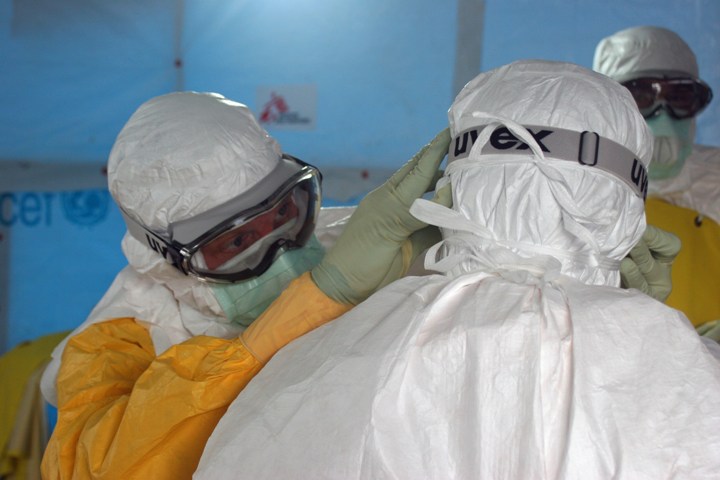
The first case of Ebola in the eastern Congo city of Goma was discovered on Sunday, officials said, raising concerns the virus could spread quicker in a densely populated area close to the Rwandan border. Goma, a lakeside city of 1 million people, is more than 350 km (220 miles) south of where the second-largest Ebola outbreak on record was first detected a year ago. But the haemorrhagic fever has gradually spread south, infecting nearly 2,500 people and killing over 1,600.
U.S. federal judge orders FDA to implement 10-month deadline for e-cig applications
A U.S. federal judge on Friday ordered the Food and Drug Administration to impose a 10-month deadline for the submission of e-cigarette applications, turning the screws on companies like Juul Labs Inc whose products have come under intense scrutiny for their popularity among teenagers. The FDA last month proposed the shorter timeline after the U.S. District Court for Maryland ruled in a lawsuit filed by anti-tobacco groups that the agency had exceeded its authority in allowing e-cigarettes to remain on the market until 2022 before companies applied for regulatory approval.
Indivior loses appeal to block generic Suboxone opioid treatments
A divided federal appeals court on Friday ruled against Indivior Plc in its bid to stop Dr. Reddy's Laboratories Ltd and Alvogen from selling generic versions of its opioid addiction treatment Suboxone film that infringed its patents. The U.S. Federal Circuit Court of Appeals in Washington, which oversees many intellectual property cases, upheld lower court rulings that Dr. Reddy's did not infringe two Indivior patents related to Suboxone, and Alvogen did not infringe one of those patents.
Healthy living may help offset genetic risk of dementia: study
Living healthily with a good diet and regular exercise may help people with a higher genetic susceptibility to dementia to offset the risk of developing it, according to recent research. The risk of dementia was reduced by 32% in people with a high genetic risk if they had followed a healthy lifestyle, compared to those who had an unhealthy lifestyle, the study, published in the medical journal JAMA on Sunday, found.


 Google News