

UNESCO Warns of Educational Crisis for Afghan Girls Under Taliban Rule
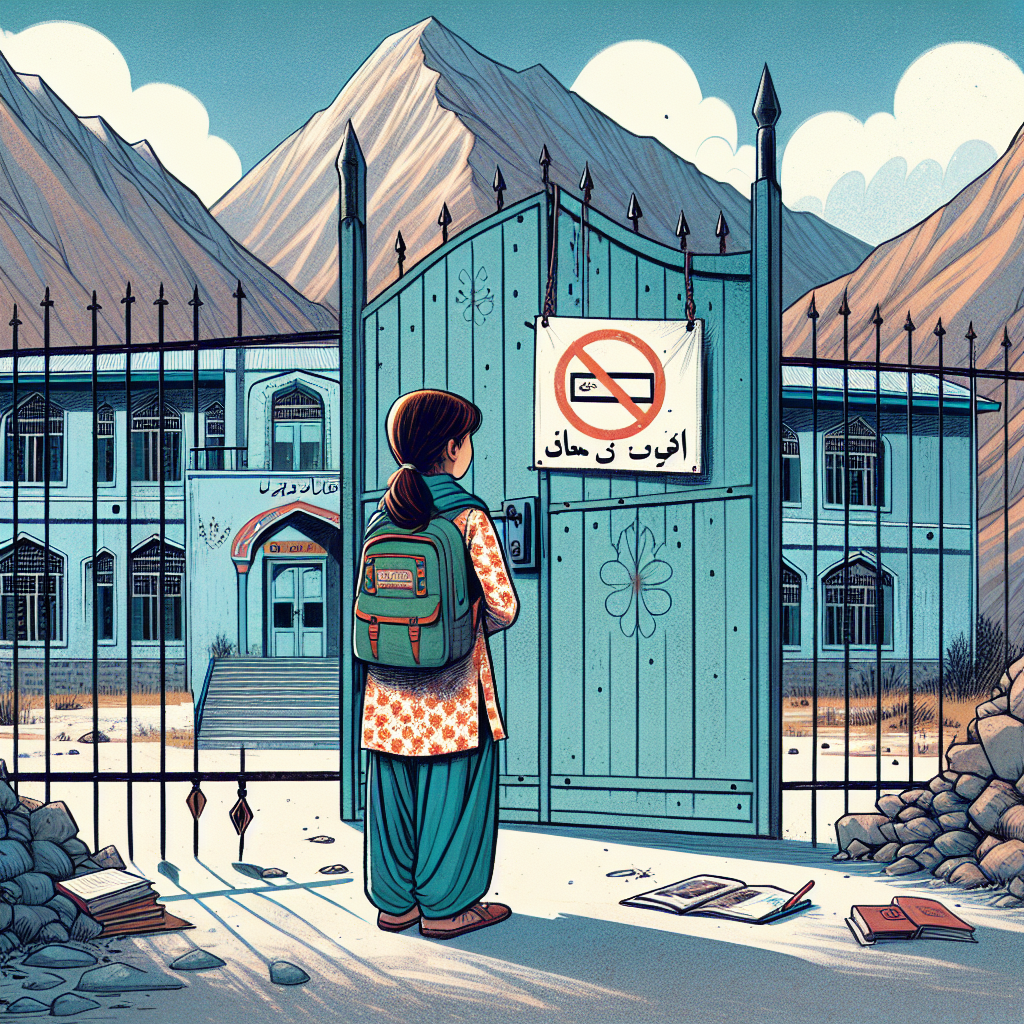
The UN reports that 1.4 million Afghan girls have been deprived of schooling due to Taliban-imposed bans on female education. Since the Taliban took power in 2021, they've barred girls above sixth grade from attending school, causing a significant drop in enrollment and reversing two decades of educational progress.
- Country:
- Afghanistan
The Taliban have deliberately deprived 1.4 million Afghan girls of schooling through bans, a UN agency reported Thursday. Afghanistan stands alone globally with restrictions on female secondary and higher education.
Since taking power in 2021, the Taliban have barred education for girls above sixth grade, citing their interpretation of Sharia law. Boys' education remained unaffected, and there are no signs of changes to allow girls back in classrooms.
UNESCO disclosed that at least 1.4 million girls are currently denied secondary education due to these bans, showing an increase of 300,000 since April 2023, as more girls reach the age limit each year.
“If we add the girls who were already out of school before the bans, there are nearly 2.5 million girls in Afghanistan deprived of education, accounting for 80% of Afghan school-age girls,” UNESCO stated.
The Taliban did not respond to requests for comment.
Primary education has also declined since the Taliban's takeover in August 2021, with 1.1 million fewer girls and boys attending school, UNESCO data shows.
The U.N. agency highlighted that the Taliban have erased nearly two decades of educational progress in Afghanistan. “The future of an entire generation is jeopardized,” it warned.
In 2022, Afghanistan had 5.7 million children in primary school, down from 6.8 million in 2019. The drop is attributed to the Taliban's ban on female teachers for boys and economic hardships deterring parents from sending children to school.
UNESCO expressed concern over the repercussions of this dropout rate, fearing it could lead to increased child labor and early marriages.
While the Taliban marked three years of rule at Bagram Air Base on Wednesday, they made no mention of the nation's difficulties or plans to assist the population.
Afghanistan continues to struggle with hunger, starvation, and high unemployment, consequences of decades of conflict and instability.


 Google News