

UNESCO, EU Launch €7.7M Education Support for Haiti and Afghanistan Crises
With €3 million in EU support, UNESCO will launch a new programme in north-eastern Haiti aimed at reinforcing community schools that serve tens of thousands of rural learners.
- Country:
- Afghanistan
UNESCO has announced two major education programmes aimed at strengthening learning opportunities and improving resilience for crisis-affected communities in Haiti and Afghanistan, supported by a €7.7 million contribution from the European Union. The initiatives reflect a renewed global commitment to safeguarding education in regions facing severe conflict, instability and humanitarian need.
Khaled El-Enany, UNESCO Director-General, emphasized the urgency of the effort, stating: "In times of crisis, school is a refuge that must never falter. Access to education is a right that must be guaranteed. These initiatives reflect UNESCO's determination to provide people with opportunities to learn, to work, and to thrive – even in the most fragile contexts."
Strengthening Community Education Systems in Haiti
Haiti is experiencing one of the most volatile periods in its recent history. Worsening violence, socio-economic collapse, and institutional fragility have placed millions at risk—especially children whose education has been disrupted by insecurity and displacement.
With €3 million in EU support, UNESCO will launch a new programme in north-eastern Haiti aimed at reinforcing community schools that serve tens of thousands of rural learners. The initiative focuses on:
-
Integrating community schools into the national education system
-
Ensuring compliance with quality teaching standards
-
Supporting teacher training and improved learning environments
-
Strengthening local governance through better education data systems
-
Promoting community participation to rebuild trust and social cohesion
Community schools are often the only functioning education hubs in rural Haiti. By supporting them, UNESCO aims to secure continuity of learning and help stabilize vulnerable communities during prolonged crisis.
Expanding Literacy and Skills for Afghans Facing Education Bans
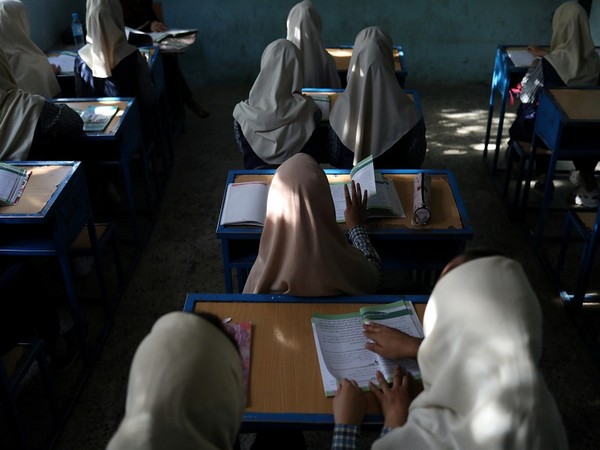
Afghanistan remains the only country where girls and women are formally barred from secondary and higher education, leaving 2.2 million females unable to continue schooling beyond the primary level. The ban exists alongside deep structural challenges, including decades of underinvestment and ongoing humanitarian emergencies.
UNESCO's new €4.7 million EU-funded programme aims to expand livelihood opportunities through literacy and vocational training. Over the next 24 months, the programme will reach 7,500 youth and adults—including returnees, displaced people, and host communities—across five provinces.
Participants will receive:
-
Basic literacy and numeracy training
-
Skills development in tailoring, dairy processing, poultry farming, and agriculture
-
Support for home-based income generation
-
Training aligned with local market needs to support economic resilience
This initiative is particularly critical for women and girls who are excluded from formal schools, offering alternative pathways to learning and earning.
A Strengthened Global Partnership for Education in Crisis
UNESCO and the European Union share a longstanding collaboration to address education crises worldwide. Since 2020, they have jointly implemented 23 programmes across national, regional and global levels, totalling €87 million in investment.
Across more than 30 crisis-affected countries, UNESCO continues to provide:
-
Material support such as learning kits and school rehabilitation
-
Psychosocial services for students and teachers
-
Support for governance systems and education recovery planning
-
Skills training and employment pathways for youth and adults
The new programmes in Haiti and Afghanistan reaffirm the partners' shared commitment to protecting education as a fundamental human right and as a cornerstone of stability and recovery in fragile contexts.
ALSO READ
-
Ethiopia’s Open Schools Project Closes With New Digital Tools and Lessons for Learning
-
Belize Communities Take the Lead in New Push for Jobs, Skills and Stronger Futures
-
Hotter Years, More Cavities? Understanding Link Between Climate and Dental Health
-
Tanzania’s Youth Skills Moment: Can WorldSkills Turn Practical Talent Into Economic Opportunity?
-
Europe’s Rare Earth Wake-Up Call: Turning Years of Research Into Factories That Last


 Google News